No. 38567
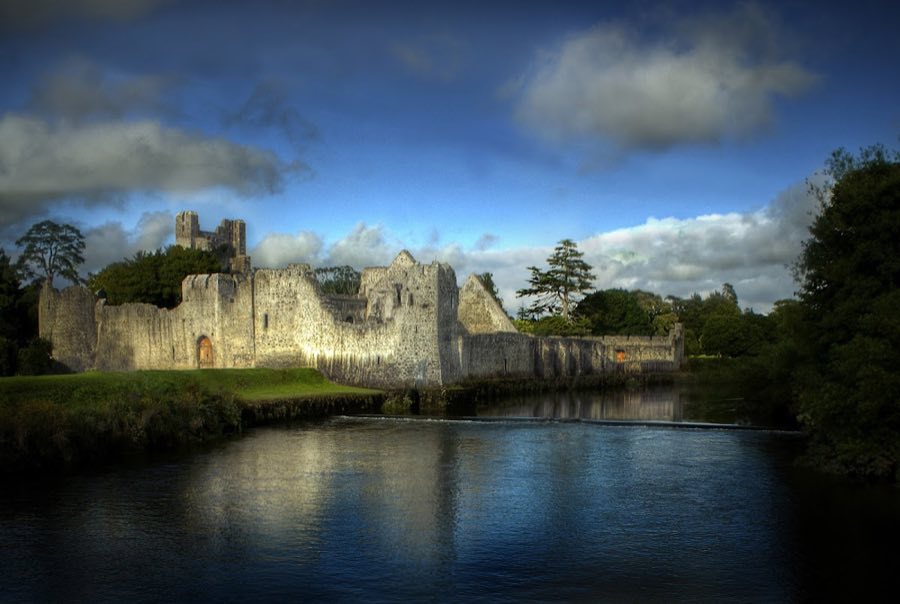
Adare Desmond Castle
Ireland
CastleIntact12th century
No. 20600
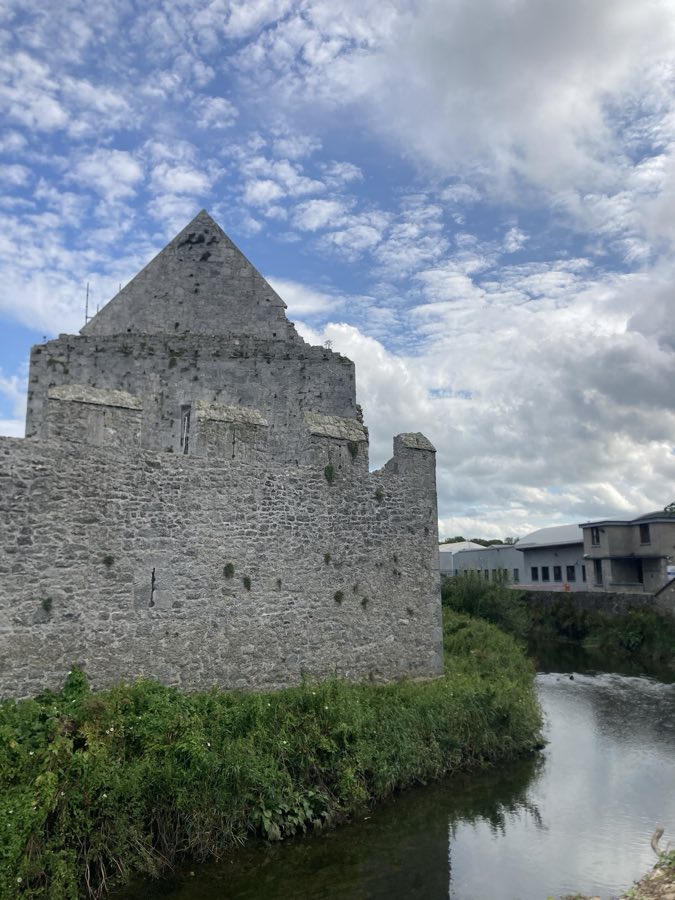
Castle · Ireland
No. 20600 · 52.600 N, 8.974 W
For events
Askeaton Castle is marked as a château or castle venue lead. Capacity, indoor/outdoor spaces, catering rules, and accommodation options are published only after public verification.
Event types: Private events, Cultural gatherings, Filming and photography
Quick summary
Askeaton Castle is a castle in Ireland with origins associated with the 16th century.
See all castles in IrelandAskeaton Castle, in the town of Askeaton, Ireland, was constructed by Anglo‑Norman feudal lords.
A fortified stronghold was raised on the site in 1199. After its building the property belonged to Gamo de Valoignes, who had served as chief justice of Ireland between 1197 and 1199. A chronicle record also states that William de Burgo later received the castle and the estates that had once belonged to Donal Mór, king of Thomond.
The barony came into the hands of Maurice FitzGerald, first Earl of Desmond, in 1348, and the masonry that survives today is dated to that year. The descendants, the Earls of Desmond, retained control for over two centuries. Gerald FitzGerald, the 15th Earl, is recorded as holding the castle in 1559.
Military pressure increased in the late 16th century. In 1579 Sir Nicholas Malby led an unsuccessful assault; at that moment the castle was defended by Patrick Persse, associated with the Irish Catholic confederation. In 1580, after the fall of Carrigfoyle, English forces renewed their attack and the defenders destroyed large parts of the stronghold by igniting their gunpowder supplies when further defence became impossible. The loss of Desmond dominance in the area is connected with the actions of the Lord Justice William Pelham. After the 1580 destruction the castle was partly rebuilt and passed into the hands of people named Persel (variously rendered Persse or Percel).
The castle was again attacked during the suppression of the Irish rising of 1640–1652. In 1652 Daniel Axtell’s force stormed the stronghold, captured it, and hanged surviving defenders, among them the garrison commander Patrick Persse. Daniel Axtell later took part in the trial of King Charles I and was captured and executed after the Restoration. Following these events the castle came to be held by an English officer, Captain Edward Berkeley. The 15th‑century Book of Rights (Lebar nan‑Cert) contains the earliest written reference recorded here, listing the castle as a possession of the king of Cashel. A Franciscan friary was founded nearby in 1389.
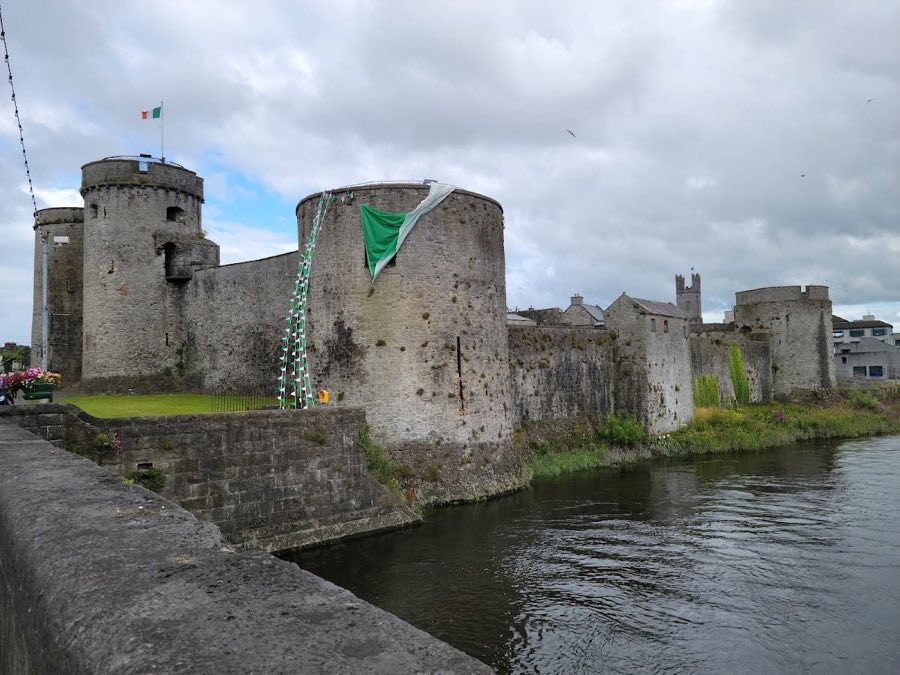
The castle occupies a rocky island in the River Deel, and the surviving masonry is of mid‑14th‑century date, linked to the 1348 rebuilding under the FitzGerald earls. The plan reads as a riverside stronghold whose main stone fabric derives from that period. This surviving work provides the primary visible evidence of the structure that endured into later centuries.
Archaeological traces record violent episodes in the building’s history. Material and structural damage relate to the deliberate explosion set by the defenders during the 1580 assault when their gunpowder was ignited. The castle underwent partial reconstruction after that event, and later conflict again left the fabric battle‑scarred when it was stormed in 1652. The sequence of destruction and rebuilding is visible in the masonry phases and in repairs that followed those assaults.
The site’s riverine setting and proximity to other medieval foundations are part of its archaeological context. The nearby Franciscan house, founded in 1389, stands close to the castle and reflects the religious landscape associated with the stronghold. The mid‑14th‑century stonework that survives on the island remains in situ and bears the imprint of its successive episodes of damage, repair, and change of ownership.
No. 38567
No. 50521
No. 45329
No. 90644
Comments
Comments for Askeaton Castle will require a verified account before posting.
We'll send a verification link before your first comment is published.