No. 48613
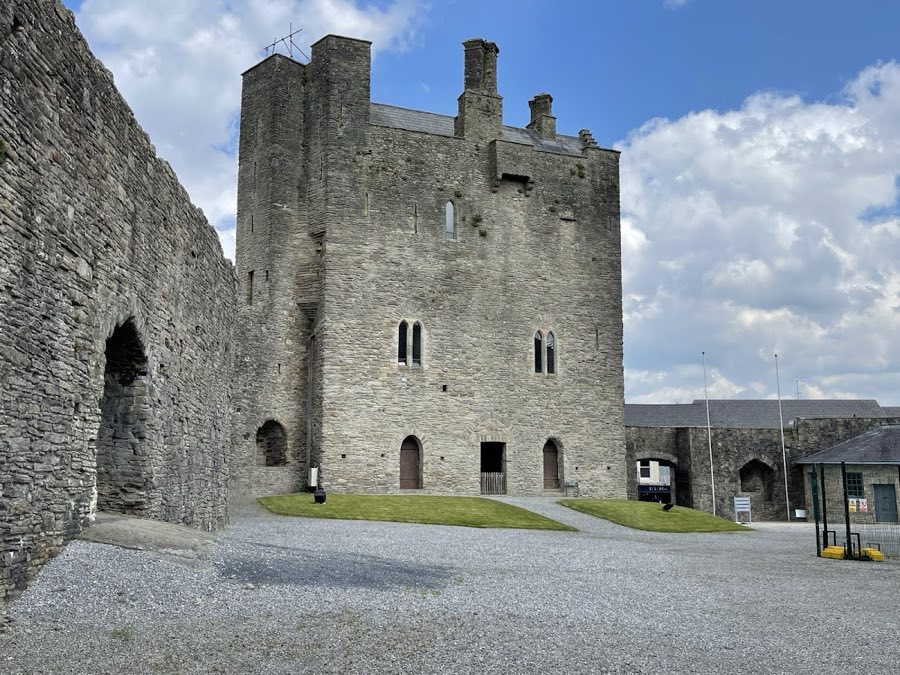
Roscrea Castle
Ireland
CastleRestored9th century
No. 75008
No. 75008 · 52.960 N, 7.707 W
Quick summary
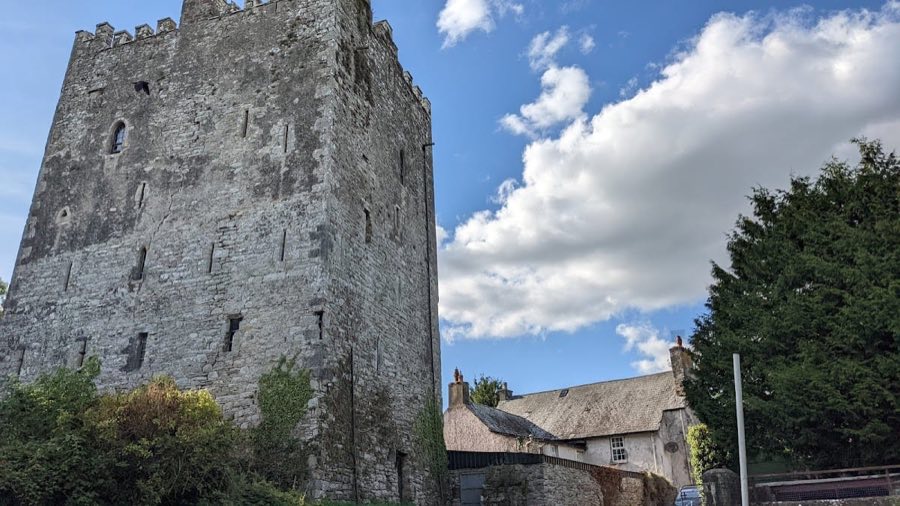
Ballaghmore Castle is a castle in Ireland with origins associated with the 17th century.
See all castles in IrelandBallaghmore Castle is located in the town of Borris-in-Ossory, Ireland, and was built by Gaelic chieftains during the late medieval period. Specifically, it was constructed in 1480 by the leader of the Mac Giolla Phádraig clan, known in English as the FitzPatrick family. This clan traced its origins to a lineage described as the “Sons of the Servant of Saint Patrick,” connecting them to early Irish Christian tradition. The castle’s name comes from its position near an ancient roadway called An Bealach Mór, or “the great way,” which led towards the kingdom of Munster, highlighting its strategic location along historic routes.
The castle’s history reflects the turbulence of 17th-century Ireland. In 1647, during the Cromwellian military campaign aimed at subduing Irish resistance, Ballaghmore Castle was attacked and damaged by forces under Oliver Cromwell. This event occurred against the backdrop of the Irish struggle for sovereignty, marking a notable period of conflict and upheaval for the region’s ruling families.
In the 19th century, a new chapter unfolded when a man named Mr. Ely purchased and undertook restoration of the castle in 1836. During this work, a hoard of gold was uncovered, attracting considerable attention. Despite his investment, Ely’s plans to inhabit the castle were never realized, as he was killed by local farmers upset by his actions. Afterward, the castle served a utilitarian role as a storage building for grain, indicating a departure from its original defensive and residential use. Over time, the structure fell into disrepair once more until it was acquired by its current owner in 1990. Notably, Ballaghmore Castle remains the only inhabited fortress within the historic barony of Upper Ossory.
The lands surrounding the castle had long been home to several prominent local families, including the Kehoe, O’Grady, Gilmartin, Rigney, Phelan, Delaney, and Maher clans. These communities shared the region’s history, culture, and shifting fortunes alongside the castle across the centuries.
Ballaghmore Castle is a stone tower house, a type of fortified residence common in late medieval Ireland. It stands in a scenic area near mountains, constructed using traditional masonry techniques of the late 15th century. The structure’s layout and details are typical of a defensive stronghold built to protect a clan’s seat and control surrounding lands.
One of the castle’s most distinctive features is the Sheela-na-Gig, a carved figure set into a corner stone on the outer front wall. This sculpture depicts a grotesque, emaciated female figure with exaggerated genitalia and a contorted facial expression. Such figures are interpreted as fertility symbols and are believed to represent the cycle of life and death. In Celtic tradition, the Sheela-na-Gig served to protect buildings from malevolent supernatural forces. While these carvings were widespread in Ireland and Britain during the medieval era, only a few survive today, as many were removed or destroyed in later periods, especially during the Victorian age. The presence of this figure at Ballaghmore attaches the castle firmly to local spiritual and cultural beliefs of the time.
Over the centuries, the castle has undergone various phases of use and alteration. Following its initial defensive role, the building’s restoration in the 19th century and subsequent use as a grain store reflect changes in its function shaped by economic and social conditions. Despite periods of decline, efforts made in the late 20th century have helped preserve Ballaghmore Castle as an inhabited structure, allowing many of its original features, including the Sheela-na-Gig, to remain visible today.
No. 48613
No. 56322
No. 10627
No. 16093
Comments
Comments for Ballaghmore Castle will require a verified account before posting.
We'll send a verification link before your first comment is published.