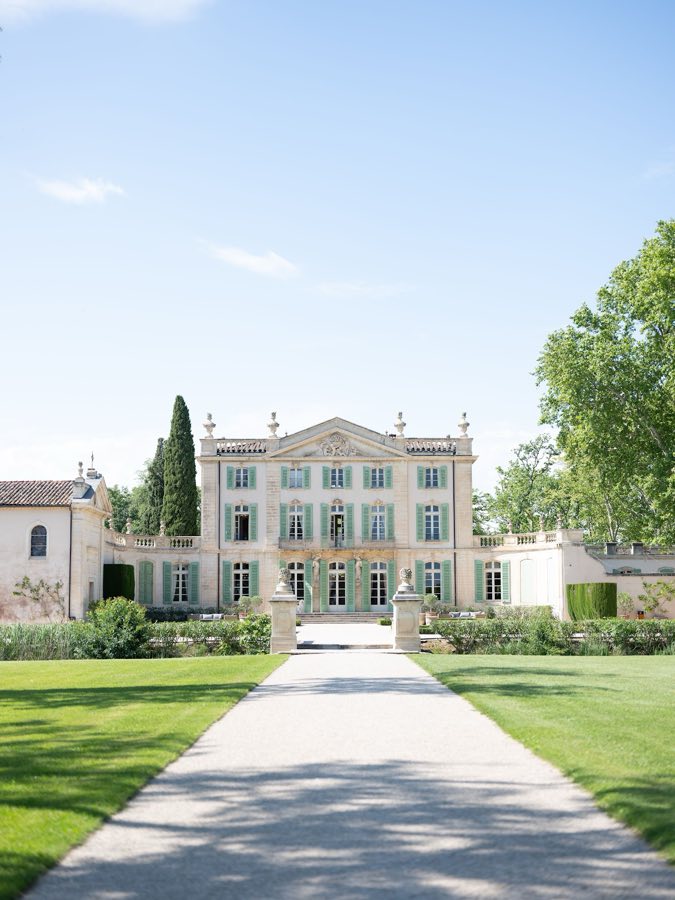
No. 61876
Château de Tourreau
France
ChâteauIntact19th century
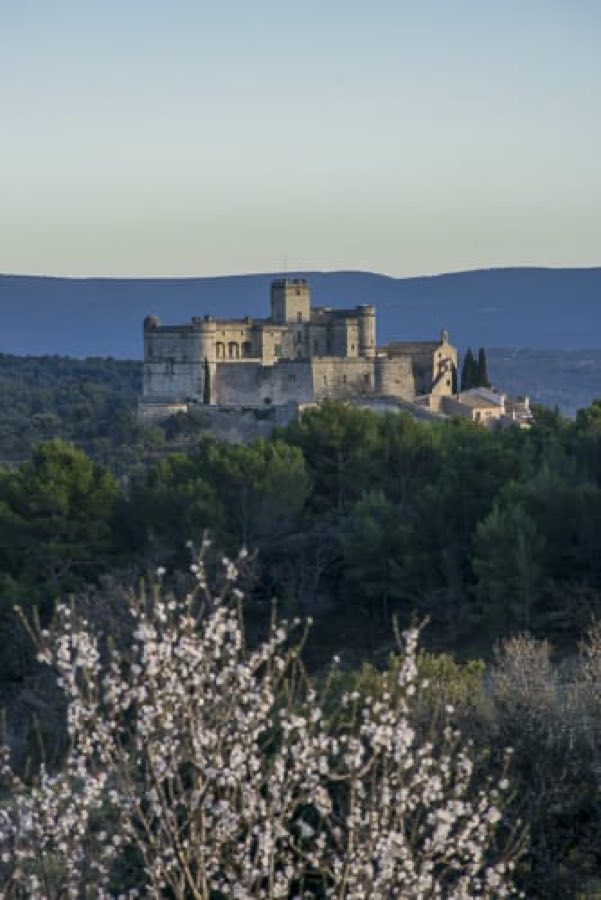
No. 20436
Castle · France
No. 20436 · 44.137 N, 5.100 E
Quick summary
Barroux Castle is a castle in France with origins associated with the 12th century.
See all castles in FranceBarroux Castle is located in the municipality of Le Barroux in modern-day France. It was originally built by medieval European builders during the 12th century. Constructed as a fortress, its initial purpose was to serve as the seigneurial residence for the Les Baux family while protecting the surrounding Comtadine plain against incursions from Saracen and Italian forces.
During its early history, the castle was part of the Principality of Orange before falling under the rule of the Counts of Toulouse. In 1274, it became a fiefdom within the Comtat Venaissin territory, thus coming under the jurisdiction of the papal chamber. Over the centuries that followed, ownership transferred among various noble houses including the Budos, Ricavi, Peyre, Cardaillac, Rovigliasc, Pelletier de Gigondas, Joannis, and Moret families. These frequent changes reflected the shifting political and social landscape of the region throughout the late medieval and early modern periods.
A significant phase of transformation occurred in 1536 when the Rovigliasc family, counts of La Celle in Piedmont, acquired the castle in settlement of a debt. They undertook considerable reconstruction efforts, introducing Renaissance architectural features, such as corner towers and mullioned windows, which altered the castle’s silhouette and reflected trends of the time.
During the French Wars of Religion, in 1563, Barroux Castle was surrendered without battle to the Huguenot forces but was soon recovered by Catholic troops. Despite the turmoil of this period, the fortress did not suffer notable damage.
Between 1680 and 1690, the castle underwent major expansion to strengthen its defenses following the principles of Sébastien Le Prestre de Vauban, a famed military engineer. This phase saw the addition of a fortified courtyard and ramparts equipped with multiple embrasures, equipped to house seven bronze cannon pieces. These enhancements combined solid military function with refined stonework, highlighting both defense and craftsmanship.
In 1791, during the French Revolution, revolutionary forces occupied the castle, causing damage and burning the possessions of the lord who resided there. Afterward, the fortress was abandoned and fell into ruin, serving as a quarry for building stone for more than a century.
In 1929, André Vayson de Pradenne purchased the dilapidated castle and initiated reconstruction efforts. These were interrupted by his accidental death in 1939. During the Second World War, German troops used the castle as an observation post. Following an attack by Resistance fighters nearby in August 1944, the Germans mistakenly believed the castle sheltered partisans and set it ablaze, resulting in a ten-day fire.
Restoration work was halted for over fifteen years after the war and resumed in the 1960s thanks to funding from Dr. Mouliérac-Lamoureux. Since 1983, preservation and maintenance efforts have been managed by the association Les Amis du Château du Barroux. The castle has been officially recognized for its historical value, first listed as a Monument historique in a supplementary inventory in 1920, then fully classified in 1963.
Barroux Castle rests on a rocky outcrop at the center of the village of Le Barroux, nestled between the western foothills of Mont Ventoux and the Dentelles de Montmirail mountain range. The site’s layout reflects its development over centuries, combining medieval fortification elements with Renaissance embellishments and later military adaptations.
The earliest form of the fortress featured a central donjon, or fortified keep, encircled by defensive walls. In the 16th century, the castle’s appearance evolved with the addition of Renaissance features, notably corner towers and windows with mullions—vertical stone bars dividing the glass panes—that gave the building a distinctive and elegant profile.
Substantial upgrades were made in the late 17th century, incorporating the design principles pioneered by Vauban, France’s foremost military engineer. This period added a fortified courtyard enclosed by new ramparts, constructed to offer protection and an enhanced field of artillery fire. Multiple embrasures—openings in the walls allowing cannons to fire while providing cover—were integrated into the walls. Seven bronze cannons, embedded within the fortifications, underscored the castle’s prioritization of defense alongside artistic stonework.
Within the castle complex stands a chapel decorated with wall paintings from the 18th century, demonstrating the continued religious use and patronage of the site during this later stage.
Despite extensive damage suffered over time, especially following its abandonment and use as a stone quarry, the castle has been rebuilt through 20th-century restoration campaigns, including efforts initiated before World War II and resumed decades later. The present condition echoes this layered history of ruin and renewal, preserving its military and artistic heritage.
Nearby, the castle’s relationship to the village and the sanctuary of Notre-Dame de la Brune suggests it was once part of a wider fortified complex, which included an outlying defensive structure known as a ravelin. This configuration contributed to the stronghold’s security and reflects the strategic importance of the site throughout its history.
No. 61876
No. 89877
No. 11955
No. 51007
Comments
Comments for Barroux Castle will require a verified account before posting.
We'll send a verification link before your first comment is published.