No. 80098
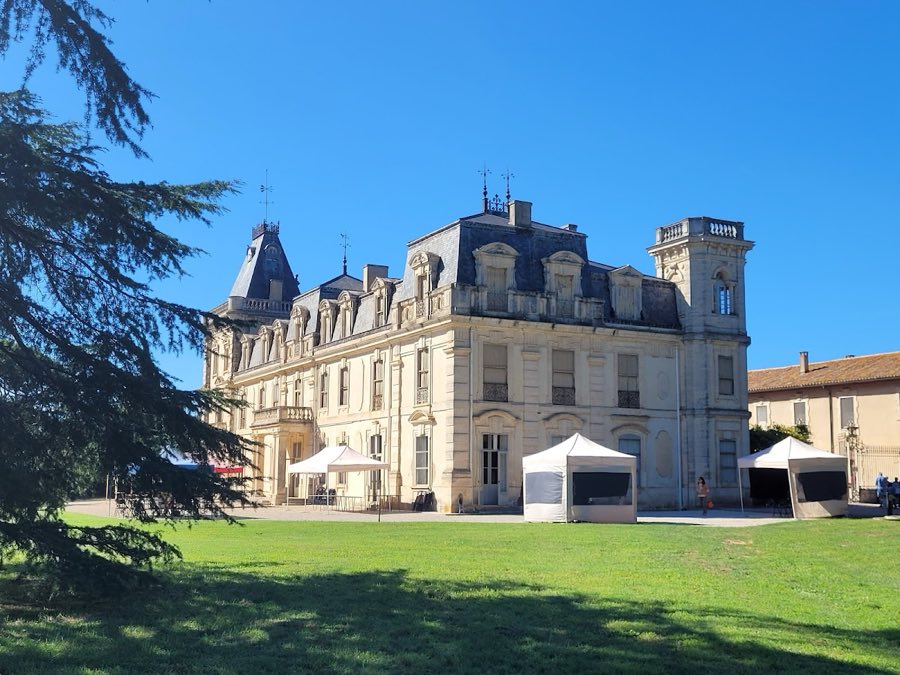
Château de la Calade
France
ChâteauIntact17th century
No. 11955
Castle · France
No. 11955 · 43.715 N, 5.033 E
For events
Roquemartine is marked as a château or castle venue lead. Capacity, indoor/outdoor spaces, catering rules, and accommodation options are published only after public verification.
Event types: Private events, Cultural gatherings, Filming and photography
Quick summary
Roquemartine is a castle in France with origins associated with the 11th century.
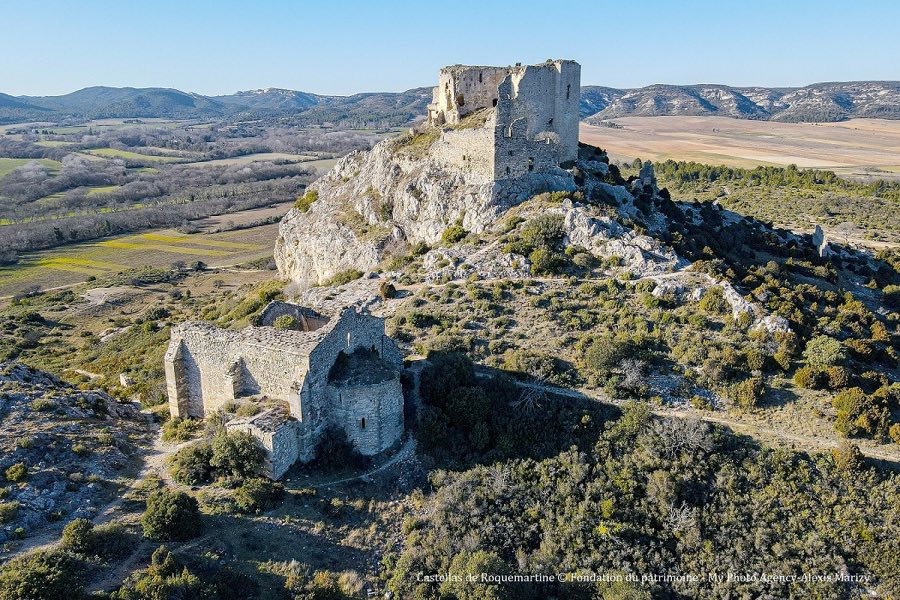
See all castles in FranceRoquemartine is located within the commune of Eyguières in France. The site was established by medieval European civilization and first entered historical records in the late 11th century. Its earliest known mention appears around 1096, when the local lords sold a portion of their tithes to finance their participation in the First Crusade, a military expedition sanctioned by the Catholic Church.
During the 12th and 13th centuries, Roquemartine was the site of a fortified castle belonging to the Albe family. Positioned strategically, the stronghold controlled an important route connecting the Durance valley with the southern Alpilles mountains. This location included a toll station, highlighting its role in regional politics and commerce. The site witnessed conflict in 1222, when Raimond Bérenger V’s forces destroyed the castrum during his campaign to reclaim control over Provence. Following this devastation, stewardship of the site passed to Albe de Tarascon, who likely undertook rebuilding efforts in the mid-13th century. Some scholars suggest that parts of the castle may date from even later periods, including the 14th or 15th century.
In the turbulent years following Queen Jeanne I’s death between 1382 and 1387, Roquemartine took a firm stand by supporting Charles de Duras. The castle remained loyal despite the fall of nearby Aix-en-Provence. It experienced sieges by various parties during this era, including a capture by the Tuchins in 1384 and subsequent seizure and burning by Raimond Roger de Beaufort in 1389. A decade later, in 1399, Marshal Boucicaut freed the stronghold by ransoming those held captive within its walls.
The 15th century brought restoration and upgrades to the castle complex. Additions included a chapel, installation of a mullioned window (a window divided by vertical stone bars), a fireplace in the western living quarters, and a cannon embrasure in the southern section. Despite these improvements, the castle’s military role declined over the following centuries. By the early 1600s, it was abandoned in favor of a new residence constructed on the plain below. In 1672, the estate was elevated to a marquisate and remained in the hands of the original descendants.
In the 20th century, the historical importance of Roquemartine was formally recognized. The ruins, along with the adjacent church, were designated as a Monument historique in 1926. Recently, in 2022, the site received funding for restoration through the Fondation du patrimoine, supported by the Loto du patrimoine. This project aims to stabilize the castle ruins and facilitate public engagement with the location’s history.
The remains of Roquemartine crown a high, rocky outcrop with steep cliffs, overlooking the surrounding plain. The castle’s silhouette recalls the fortress style typical of the medieval period in southern France, bearing resemblance to the nearby Château des Baux. This elevated setting underscores the fortress’s original purpose as a defensive position controlling movement through the area.
Adjacent to the castle lies the Saint-Sauveur church, which stands at a lower elevation on grassy slopes. While the current building dates primarily to the 14th century, it occupies a sacred space with roots reaching back to the late 11th century. The church’s structure includes a nave composed of two bays, terminating in a semicircular apse. Two arched doorways provide access on the north and south sides. Constructed from stone slabs supporting the roof and rubble masonry walls—roughly shaped stones fitted together—the building exemplifies regional medieval religious architecture.
Inside Saint-Sauveur, fragments of medieval wall paintings have endured, though in fragile condition. Among these are images of a saint bearing a halo and a depiction of Christ crucified, flanked by the Virgin Mary and one of the apostles. The background of these paintings features a blue color dotted with red stars, reflecting symbolic artistic traditions of the period.
Throughout the castle ruins, evidence of various phases of modification is visible. The 15th-century addition of a chapel expanded the complex’s spiritual facilities. Period renovations include a mullioned window, providing both light and decorative character, and a fireplace installed in the western residential quarters, indicating adaptation for domestic comfort. Defensive changes can be seen in the cannon embrasure added to the southern part of the castle, showing the integration of artillery as military technology evolved.
Today, the castle stands in a ruined state, yet it remains a prominent landmark. Its commanding position above the plain and surviving architectural elements bear witness to centuries of historical events and the shifting fortunes of those who lived and fought there.
No. 80098
No. 61876
No. 20436
No. 41881
Comments
Comments for Roquemartine will require a verified account before posting.
We'll send a verification link before your first comment is published.