No. 28348
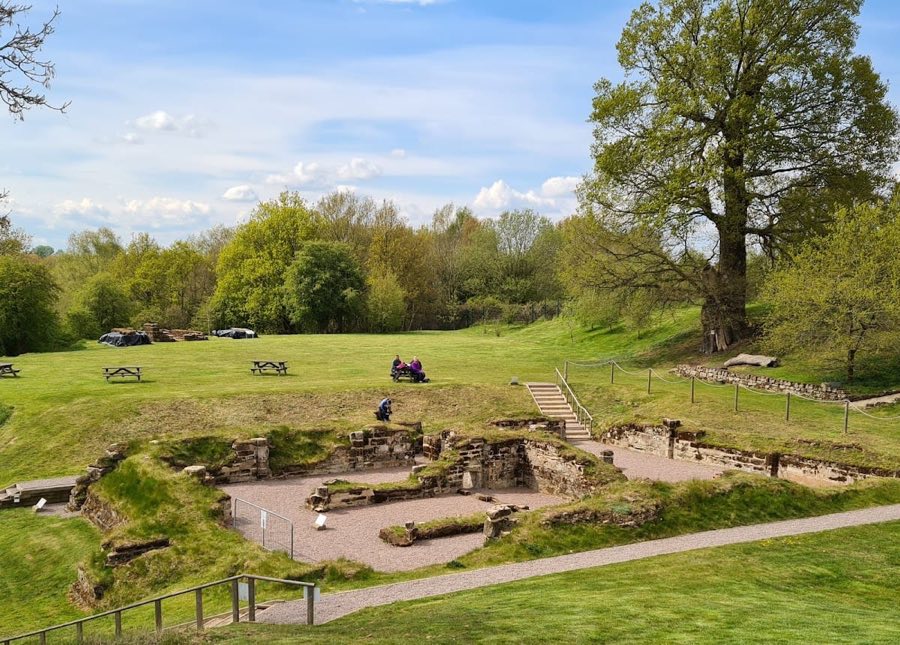
Baginton Castle
United Kingdom
CastleRuin7th century
No. 71240
Castle · United Kingdom
No. 71240 · 52.294 N, 1.773 W
Quick summary
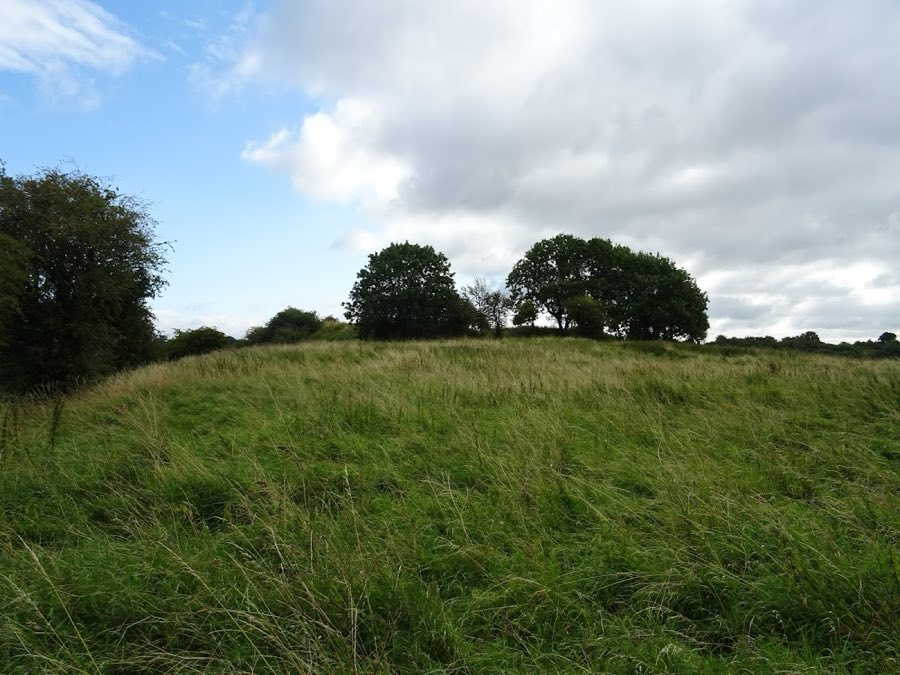
Beaudesert Castle, Henley-in-Arden is a castle in Henley-in-Arden, United Kingdom with origins associated with the 12th century.
See all castles in United KingdomBeaudesert Castle in Henley-in-Arden, United Kingdom, was developed by Norman builders on a hill that earlier held an Iron Age fort.
The earliest occupation of the mount is Iron Age, and that early fortification gave the hill the ancient name Donnilee. After the Norman conquest the top of the hill and its slopes were reshaped to form a motte and bailey with a timber hall at its heart. The earth was worked to create the raised mound and enclosed areas needed for this kind of timber fortification.
A stone castle replaced the timber phase when Thurston de Montfort erected masonry works in 1140, a date recorded alongside a note identifying this construction with the reign of Henry II. The site remained the De Montfort family seat for over a century, and Peter de Montfort is known to have lived at the castle during that extended ownership.
Around 1369 the Earl of Warwick took possession of the De Montfort lands and the castle’s importance diminished. Some accounts record repairs in 1411, but the site later passed into disuse. In the early years of the Wars of the Roses the unoccupied, dilapidated castle was taken apart, and certain large timbers are said, in some records, to have been reused in the construction of stately houses at Henley. The site was investigated by archaeologists working on the television programme Time Team in 2002, and it is now protected as a scheduled ancient monument.
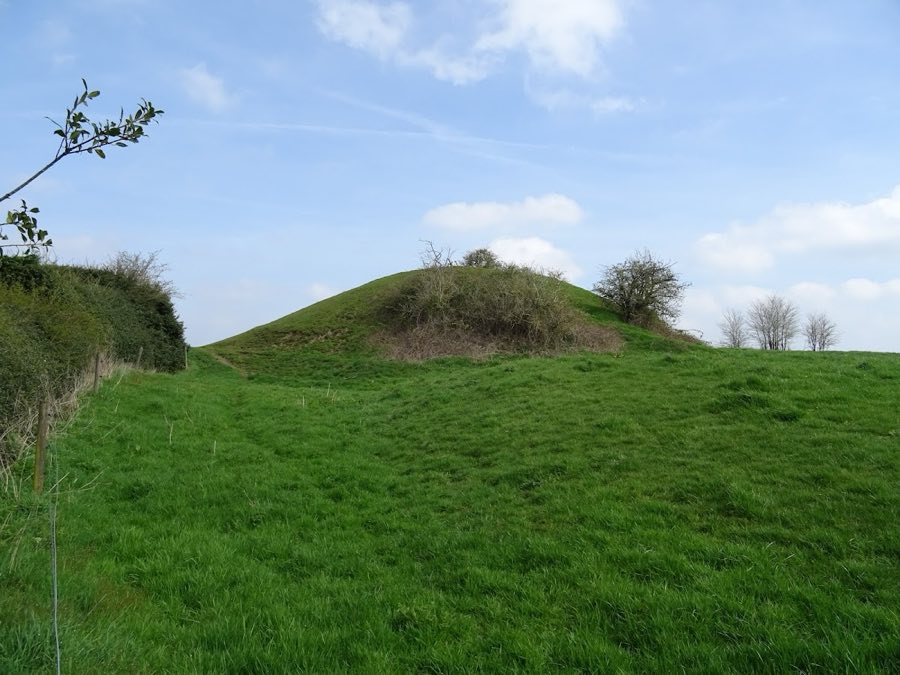
The site comprises a high, sculpted mound and surrounding earthworks laid out as a motte and bailey, reflecting the transition from an early timber stronghold to a purpose-built medieval castle. The hilltop was deliberately modelled to form the raised motte and the adjacent enclosed baileys, a topographical modification that underpinned the site’s defensive arrangement.
For the motte-and-bailey phase a timber hall is recorded, indicating a central domestic and administrative function during the Norman period. That hall is described in the documentary record as a timber structure, and later accounts relate the removal and reuse of substantial timbers from the castle in local building projects during the fifteenth century, showing a secondary life for those timbers beyond the fortification.
The stone castle built in 1140 by Thurston de Montfort represents the later masonry phase, constructed in stone rather than timber. Documentary notes record this new phase of construction and a repair episode dated 1411 in some accounts, indicating episodes of rebuilding and maintenance before the site fell out of use. Today the archaeological record registers a single stone remnant together with the surviving earthworks as the primary in situ fabric relating to the castle’s masonry period.
The landscape around the mound also shows evidence of two fishponds, features associated with the site’s economy and management. These pond works survive as earthwork traces and are recorded as part of the site’s archaeological footprint.
No. 28348
No. 63097
No. 35132
No. 37257
Comments
Comments for Beaudesert Castle, Henley-in-Arden will require a verified account before posting.
We'll send a verification link before your first comment is published.