No. 28348
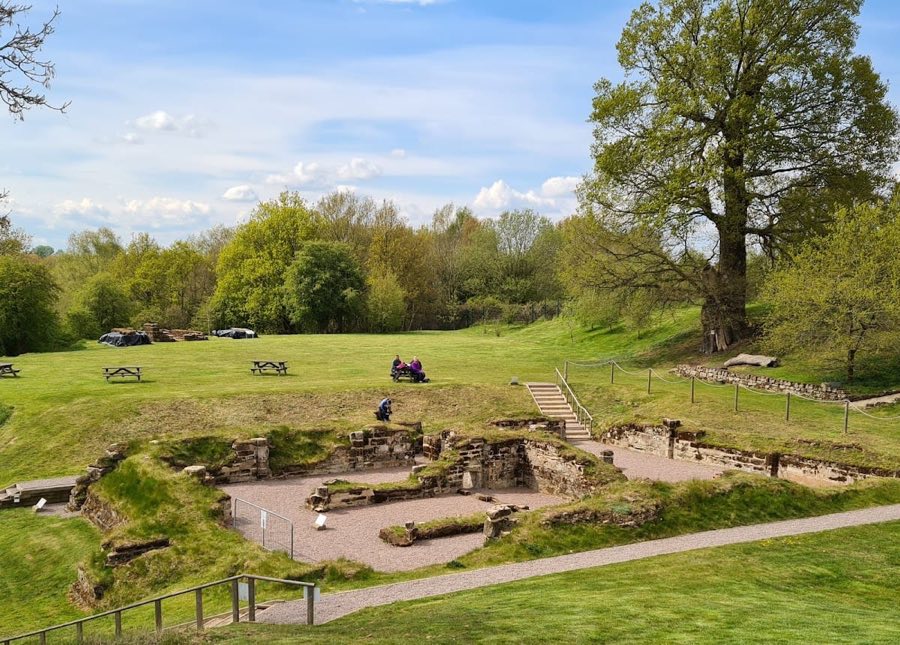
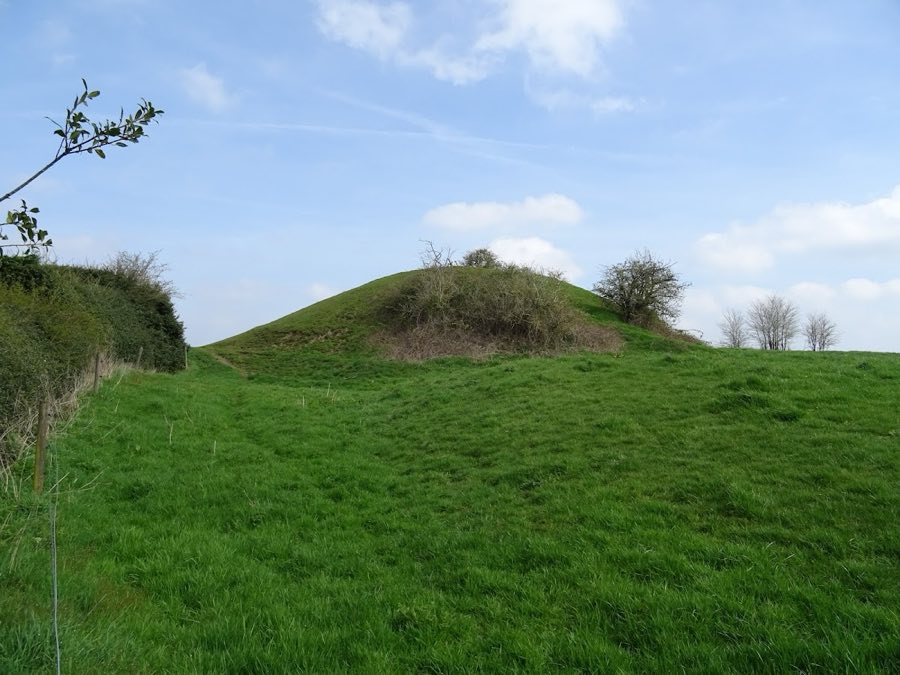
Baginton Castle
United Kingdom
CastleRuin7th century
No. 63097
Castle · United Kingdom
No. 63097 · 52.499 N, 1.671 W
Quick summary
Maxstoke Castle is a castle in United Kingdom with origins associated with the 17th century.
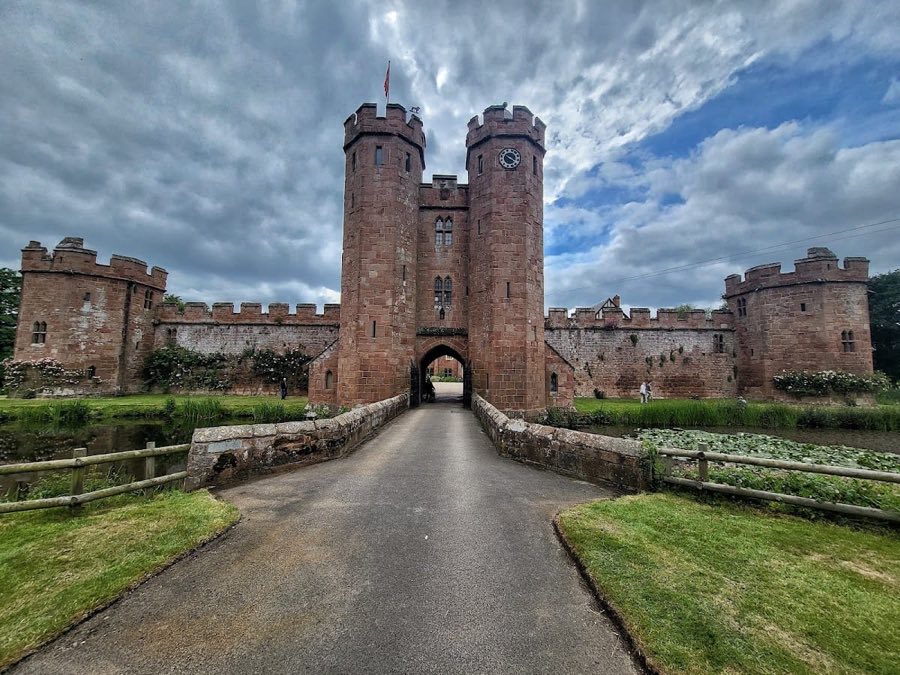
See all castles in United KingdomMaxstoke Castle is located in Maxstoke, near Birmingham in Warwickshire, England. It was built in 1345 by Sir William de Clinton, the 1st Earl of Huntingdon, as a fortified residence surrounded by a moat. The castle was constructed during the medieval period, reflecting the defensive needs and social status of the English nobility at that time.
After Sir William de Clinton died in 1354, his widow Juliana Leybourne continued to live at Maxstoke Castle. She remained there even after remarrying, maintaining the castle as a family home. In 1437, the castle changed hands when Humphrey Stafford, the 1st Duke of Buckingham, acquired it through an exchange of manors. Stafford made additions to the structure, enhancing its form and function.
The castle survived the centuries largely intact, which is uncommon for medieval fortifications. In the 17th century, the Fetherston-Dilke family took ownership, linking Maxstoke Castle to nearby Packwood House through marriage. During the English Civil War (1642–1651), the castle was held by Parliamentary forces. Captain Layfield served as the first known governor in 1642-43, followed by Henry Kendall Sr. and his son Henry Kendall Jr., who commanded the garrison between 1644 and 1645.
Maxstoke Castle also holds historical artifacts of note. Among these is a 15th-century chair used during Henry VII’s coronation following the Battle of Bosworth in 1485. A table associated with Sir Everard Digby, a conspirator in the Gunpowder Plot of 1605, is also preserved there. Additionally, the castle contains a ‘Whispering Door’ originally from Kenilworth Castle, which was relocated to Maxstoke at a later date.
Maxstoke Castle is built on a rectangular plan featuring octagonal towers at each corner. The structure includes a gatehouse on the east side and a residential range on the west. It is surrounded by a broad moat, emphasizing its defensive design typical of the mid-14th century.
Constructed primarily of stone, the castle retains much of its original medieval fabric. The moat remains filled with water, encircling the castle and enhancing its fortress-like appearance. The octagonal towers and gatehouse are well preserved, providing insight into the castle’s defensive capabilities.
Inside, the castle houses several historic furnishings. The 15th-century chair linked to Henry VII’s coronation is a significant artifact, as is the table connected to Sir Everard Digby. The ‘Whispering Door’ consists of two doors sharing a common jamb and was brought from Kenilworth Castle, adding a unique architectural feature.
The castle stands 79 meters above sea level in a valley surrounded by flat agricultural land. The surrounding parkland, once a deer park, still contains deer and has been used as a golf course since 1898. The castle’s condition is notable for its completeness, with much of the medieval structure and original elements remaining in situ.
No. 28348
No. 71240
No. 35132
No. 37257
Comments
Comments for Maxstoke Castle will require a verified account before posting.
We'll send a verification link before your first comment is published.