No. 36945
Leicester Castle
United Kingdom
CastleRuin12th century
No. 35132
Castle · United Kingdom
No. 35132 · 52.580 N, 1.307 W
Quick summary
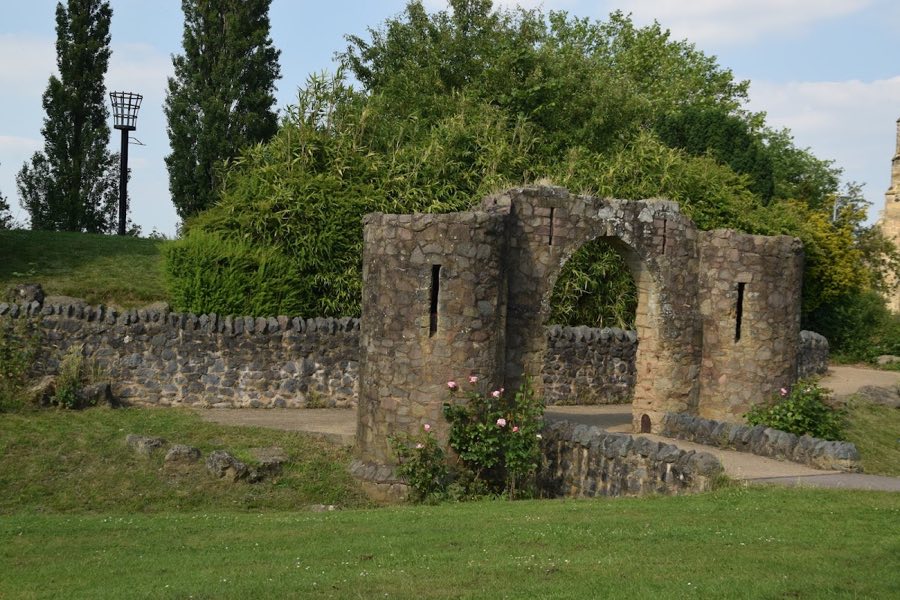
Earl Shilton Castle is a castle in United Kingdom with origins associated with the 12th century.
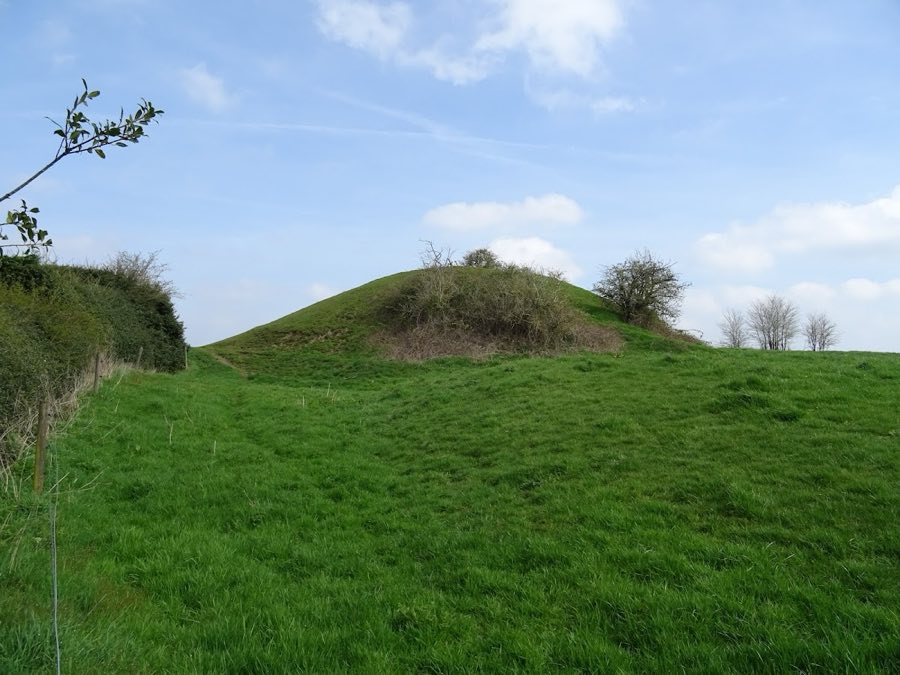
See all castles in United KingdomEarl Shilton Castle in Earl Shilton, United Kingdom, was a twelfth-century motte-and-bailey fortress built by the Anglo-Norman Earl of Leicester, Robert Bossu. Erected during the civil war of 1135–1153, the earthwork stronghold was intended to secure the vale of Kirkby and to protect the Earl’s communications to the south and west, giving it a clear military purpose in that turbulent period.
Construction began in the mid-twelfth century around an existing chapel dedicated to Saint Peter, which stood between what later became Church Street and Almey’s Lane in an area known as Hall Yard. The castle drew its water from nearby springs, today called Spring Gardens, a practical arrangement for any defended site. Contemporary accounts record no fighting or siege in the immediate vicinity during the civil war, a circumstance that points to the fortification’s effectiveness as a deterrent.
In 1173 the political landscape shifted when Robert de Beaumont joined Prince Henry’s rebellion against King Henry II. Robert de Beaumont was taken prisoner, and the king ordered the demolition of most of the rebel earl’s strongholds. Earl Shilton was among the castles listed for destruction. After its dismantling as a military fortress, the site was adapted for use as a hunting lodge, marking a change from armed defence to leisure and land management.
Stone from the castle later entered the fabric of the local parish: when the parish church was rebuilt in 1854, masonry from the former fortification was taken and incorporated into the church’s construction, linking the medieval site to nineteenth-century building activity.
The site survives in records as a motte-and-bailey (a raised earthwork with an enclosed courtyard) layout from the twelfth century, constructed around the twelfth-century chapel of Saint Peter. The chapel occupied the space between modern Church Street and Almey’s Lane in the area referred to as Hall Yard, and formed a focal point around which the defensive earthworks were arranged. The castle’s plan relied on the typical raised mound and adjoining enclosed courtyard of its type.
A practical feature of the site was its water supply, fed by nearby springs now known as Spring Gardens, which supplied the castle while it stood as a fortress. Building stone from the castle survives in altered form because masonry was removed and reused; when the parish church was rebuilt in 1854, stone from the castle was taken and incorporated into that later structure. After the military demolition ordered in the aftermath of the 1173 rebellion, the site was converted for use as a hunting lodge, and subsequent removal of masonry changed the fabric and appearance of the remains.
No. 36945
No. 63097
No. 28348
No. 37257
Comments
Comments for Earl Shilton Castle will require a verified account before posting.
We'll send a verification link before your first comment is published.