No. 55949
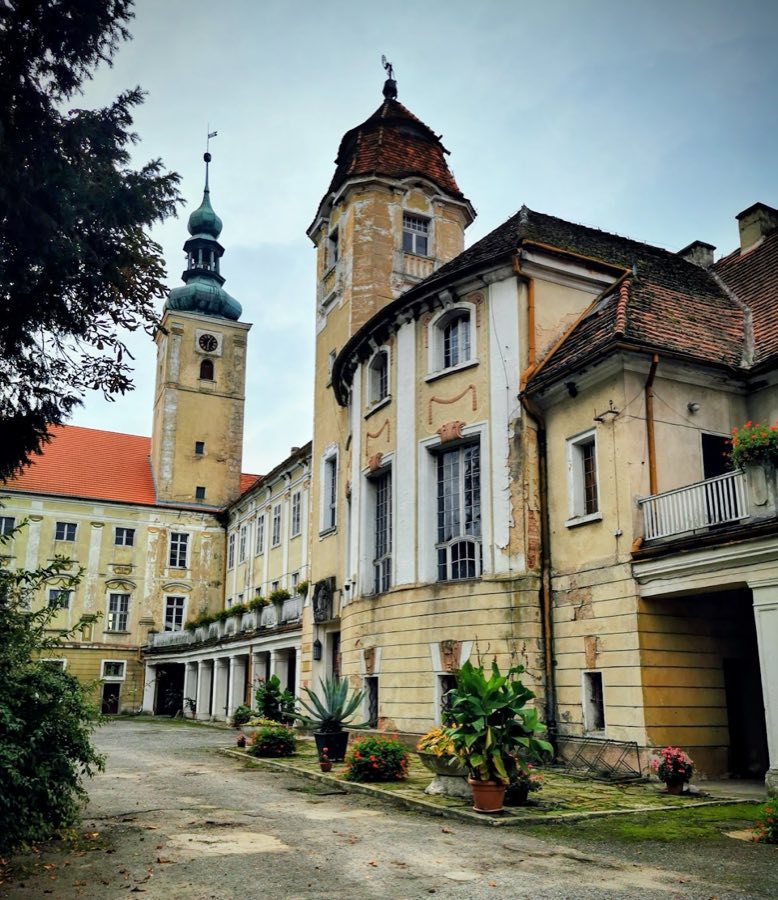
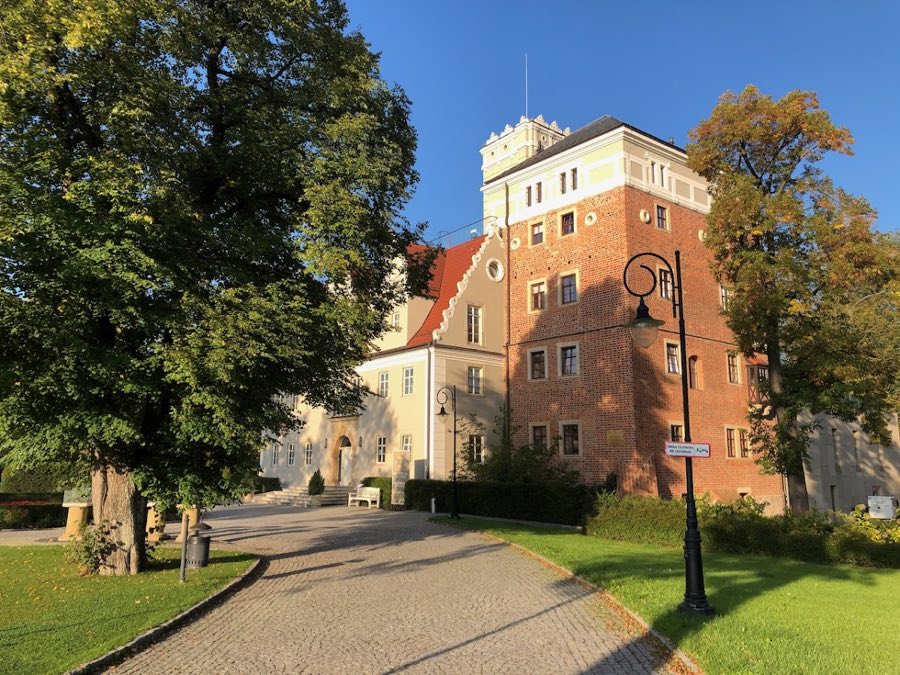
Oleśnica Mała Palace
Poland
Manor houseRestored16th century
No. 45328
Palace · Poland
No. 45328 · 50.864 N, 17.467 E
Quick summary
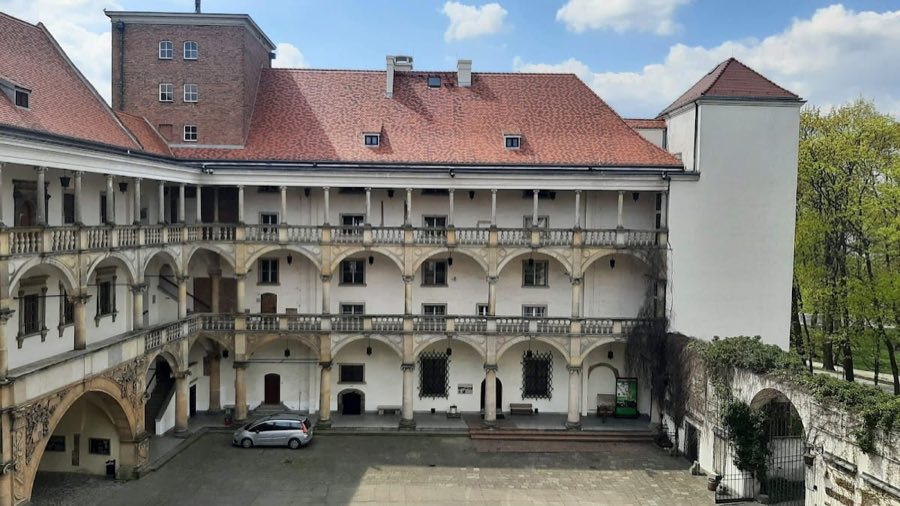
Brzeg Castle is a palace in Poland with origins associated with the 16th century.
See all castles in PolandBrzeg Castle, located in the town of Brzeg in modern-day Poland, was originally built by the Silesian Piast dynasty, a ruling family influential in the region during the medieval period. Its earliest recorded mention dates to 1235 when the site served as the residence of a ducal governor and a stopover for the dukes of Wrocław.
Around the year 1300, construction began on a distinctive square brick tower, later known as the “Tower of Lions.” Its lower portion remains the oldest surviving element of the castle. In 1311, the creation of the Duchy of Brzeg elevated the castle’s importance, making it the seat of power for its dukes. Between 1360 and 1370, Duke Louis I of Brzeg expanded the structure and added a Gothic chapel dedicated to St. Hedwig. This chapel took on religious significance as a collegiate church and became the burial place for members of the Piast dynasty.
The castle underwent a significant transformation during the mid-16th century under Duke George II and his wife Barbara of Hohenzollern. Inspired by the Royal Castle at Wawel in Kraków, they remodeled the residence in the Renaissance style. This ambitious rebuilding included constructing the southern wing from 1541 to 1544, followed by the eastern wing between 1544 and 1547. A prominent three-story gatehouse was added from 1554 to 1560, richly decorated with statues, heraldic symbols, and busts commemorating Polish rulers and members of the Silesian Piast family. Italian architects Jakub and Franciszek Parr initiated this Renaissance overhaul, later joined by Bernard and Piotr Niuron, who reinforced the castle’s defenses by the late 1500s.
The regression of the castle began after the death of the last male Piast duke, George William, in 1675. Over time, it lost its noble function and fell into disuse. It sustained slight damage during the 1741 siege by Prussian forces and later accommodated various utilitarian roles, including a tavern, military barracks, and warehouse. Efforts to preserve and restore the castle started in 1922, soon followed by the foundation of the Municipal Museum in 1924.
World War II brought further harm to the building in 1945. A comprehensive restoration campaign from 1966 to 1990 sought to return the castle to its Renaissance-era grandeur, focusing on elements such as the gatehouse, arcades, and several interior halls. This work was overseen by architects Jerzy Rozpędowski, Jadwiga Maciejowska, Tomasz Kornacki, and Wacław Podlewski. Today, the castle functions as the home of the Museum of the Silesian Piasts and was officially recognized in 2018 as a Historic Monument of Poland.
Brzeg Castle stands prominently on a rocky outcrop just west of the Oder River, near the regional boundary between Lower Silesia and Opole Voivodeships. Its layout reflects evolving architectural styles from medieval fortification to Renaissance residence.
The oldest structure within the complex is the square “Tower of Lions,” constructed from brick around 1300. The surviving lower section, originally surmounted by stone lions, represents the core of the earliest defensive works. Adjacent to the castle is the Gothic chapel of St. Hedwig, built in 1368–1369. This chapel served both religious functions as a collegiate church and a mausoleum for the Piasts, underlining its dual spiritual and dynastic significance.
During the Renaissance remodeling in the 16th century, major expansions included the southern wing constructed between 1541–1544 and the eastern wing added from 1544–1547. The centerpiece feature from this era is the three-story gatehouse built between 1554 and 1560. Its ground level was designed after an ancient triumphal arch, a motif conveying dignity and power. The facade is richly adorned with life-size statues of Duke George II and Duchess Barbara, heraldic shields representing various lineages and alliances, and two rows of busts portraying Polish monarchs and Silesian Piast dukes. Each figure is identified by Latin inscriptions set into carved cartouches, providing a visual history of regional rulers.
Inside, the castle courtyard features a two-story arcade typical of Renaissance architecture, offering an open gallery space around the courtyard. The gatehouse contains an internal portal that emphasizes the castle’s grandeur. Notably, the Renaissance courtyard includes a three-level balcony structure and preserved ground-floor rooms in the eastern wing, maintaining the period’s stylistic details.
The late 16th century saw the castle’s defensive structures strengthened by the Niuron brothers, Bernard and Piotr, who completed fortifications that enhanced its residential and military functions. Besides the buildings, the castle grounds include gardens arranged in the Italian style, reflecting Renaissance landscaping trends.
Among archaeological discoveries associated with Brzeg is a remarkably well-preserved medieval hunting bow dating to the 14th century, highlighting the martial culture of the era. Heraldic emblems displayed throughout the castle complex illustrate its historical affiliations and status, including coats of arms for the Legnica-Brzeg duchy, the Electorate of Brandenburg, the Hohenzollern family, and connections to Elizabeth Jagiellon. These symbols reinforce the castle’s role as a dynastic center with strong political ties across Central Europe.
No. 55949
No. 15440
No. 87949
No. 45183
Comments
Comments for Brzeg Castle will require a verified account before posting.
We'll send a verification link before your first comment is published.