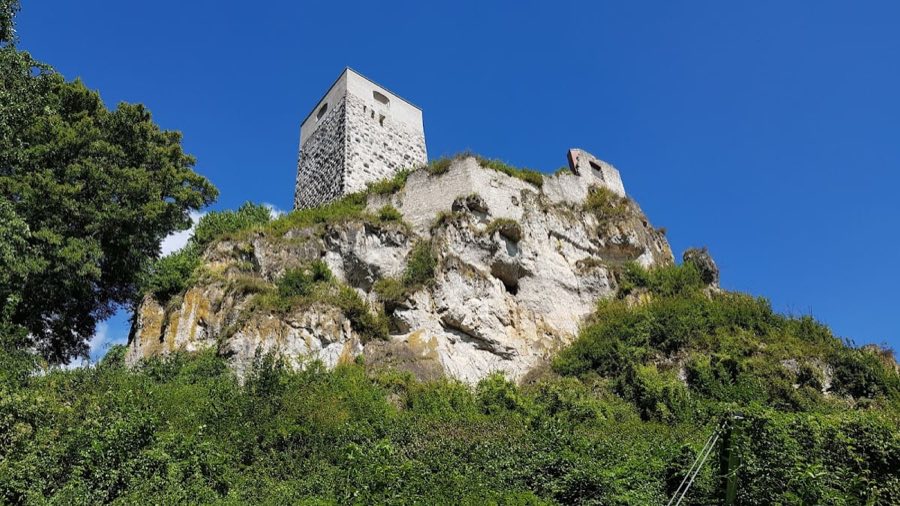
No. 80364
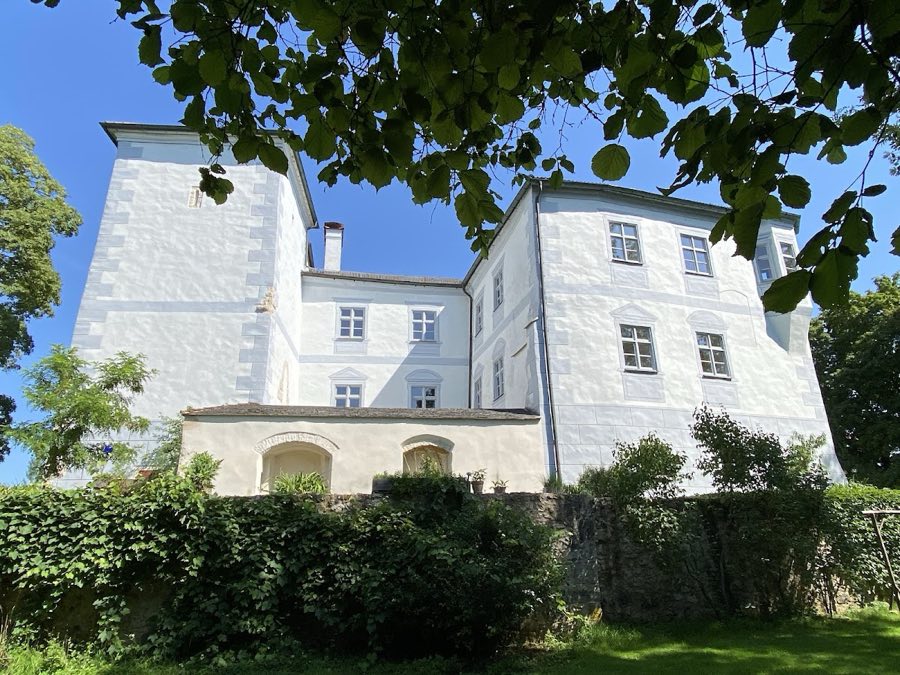
Wellheim Castle
Germany
CastleRuin15th century
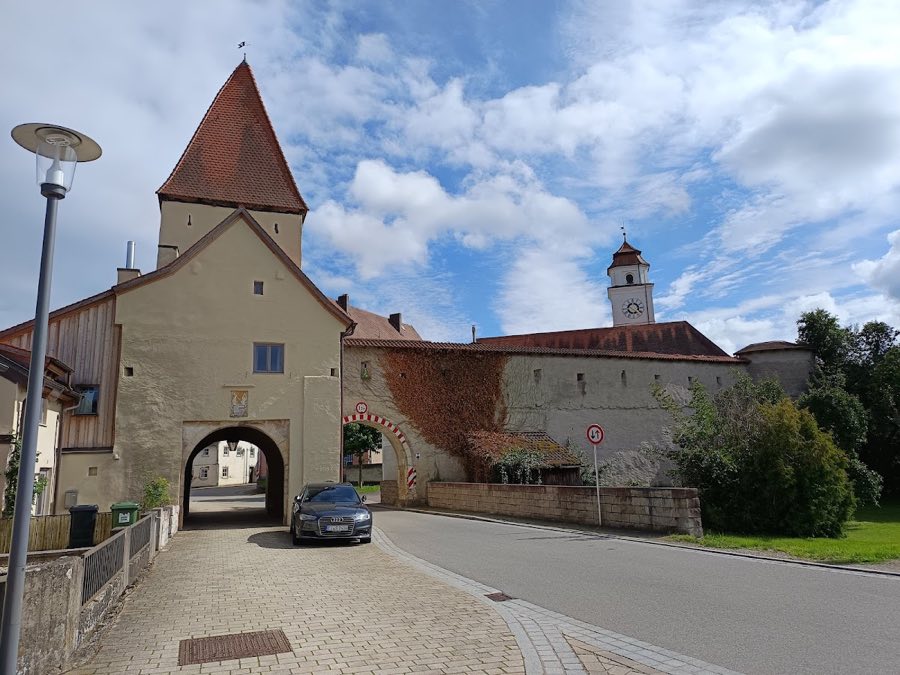
No. 36469
Castle · Germany
No. 36469 · 48.875 N, 11.073 E
Quick summary
Burg Dollnstein is a castle in Germany with origins associated with the 10th century.
See all castles in GermanyBurg Dollnstein is located in the municipality of Dollnstein in present-day Germany and was originally established by Carolingian builders during the early medieval period. Archaeological research dates the earliest fortifications to the 9th or 10th century, indicating its origins on a strategic rock formation above the Altmühl River.
The castle’s first recorded ownership dates to 1147, when it belonged to the Counts of Grögling. These nobles later adopted the names Dollnstein and Hirschberg, linking their identity with the site. In 1305, stewardship passed to the Counts of Öttingen and, next, in 1360, to the Lords of Heideck. By the mid-15th century, in 1440, Bishop Albrecht II of Hohenrechberg acquired both the castle and the local market, bringing them under the control of the Prince-Bishopric of Eichstätt. This ecclesiastical authority retained possession for nearly four centuries.
The castle’s governance shifted dramatically after the secularization of church lands in 1802. Following this, the Bavarian state took control before transferring ownership in 1803 to Grand Duke Ferdinand III of Tuscany. A year later, the castle was sold at auction to residents of Dollnstein. Subsequent to this sale, the upper castle was largely dismantled, while the lower castle’s economic buildings found new life as residential properties. Throughout its history, Burg Dollnstein served various administrative and economic roles, supported by extensive farmland managed from a nearby farmstead.
In the 21st century, archaeological excavations uncovered a concealed ceramic vessel near the castle containing a collection of silver coins and precious metal objects dating from around 1370. The purpose behind this hidden treasure remains a subject of investigation.
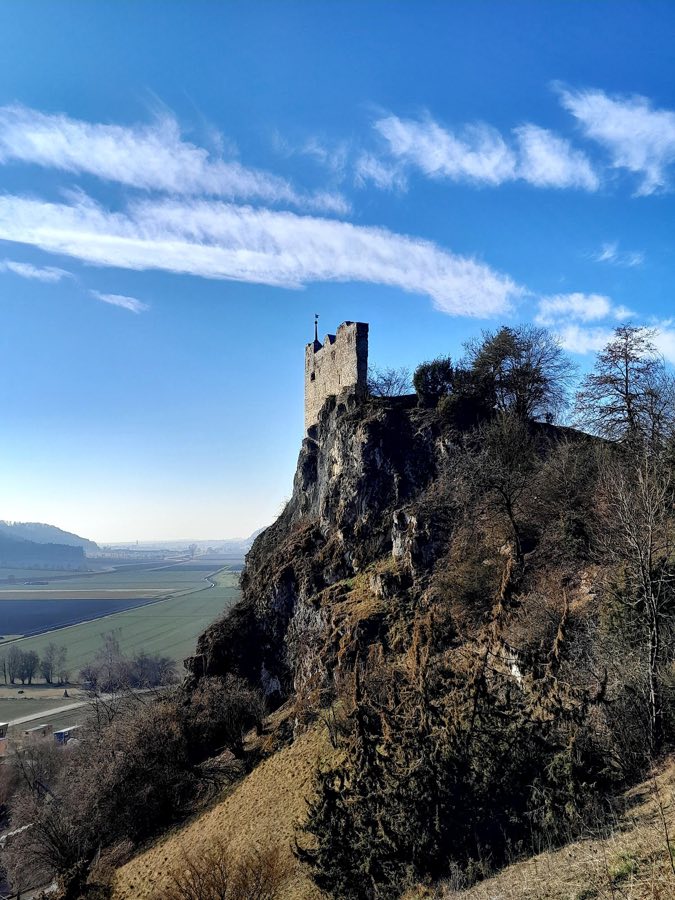
The layout of Burg Dollnstein occupies roughly 0.56 hectares atop a prominent limestone rock above the Altmühl River. Initially, during the 9th or 10th century, the site was defended by a wooden and earthen wall, which took the place of an earlier unfortified settlement from approximately 700 AD. This early fortification provided a base for later stone construction.
By the 11th century, the castle saw the emergence of a stone ring wall encircling the lower castle, accompanied by a residential building crafted from stone. This period established the core defensive and living spaces that would evolve in the centuries to follow. The ring wall underwent partial reconstruction during the 12th century, at which time a chamber gate was added on the southern side. This gate remains preserved, offering valuable insight into the castle’s medieval entrance design.
In the 14th century, the defensive wall was strengthened by the addition of battlements or crenellated parapets, enhancing its protection. Further expansion occurred in 1445 when stables and economic buildings were attached to the ring wall. These structures are notable for their early Altmühl Jura stone construction, a local material esteemed for durability and aesthetic appeal. Today, the gatehouse and adjoining semicircular economic buildings survive, having been carefully restored since 2006.
The upper castle, situated above the lower castle, features remnants of Romanesque stone masonry believed to originate from the 12th century. These ruins bear witness to the castle’s medieval core but were largely demolished following the early 19th century sale and dismantling.
The agricultural land that supported the castle was managed from a farmstead called the Bauhof or Maierhof, positioned northwest of the castle. This farm complex was a vital part of the castle’s economy and management, later subdivided in 1459 into eight separate field holdings as the site’s function shifted away from noble residence to administrative use.
In recent years, the economic buildings of the lower castle have been adapted for modern use and since 2015 serve as the Altmühl Information Center. The combination of well-preserved medieval stonework and the site’s layered history contributes to Burg Dollnstein’s designation as both a protected historic monument and an archaeological site of significance.
No. 80364
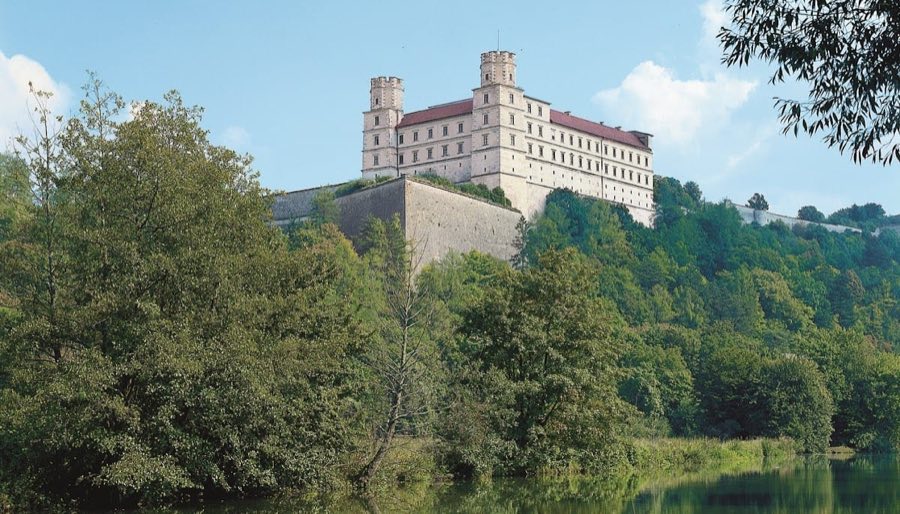
No. 14609
No. 49642
No. 39877
Comments
Comments for Burg Dollnstein will require a verified account before posting.
We'll send a verification link before your first comment is published.