No. 86432
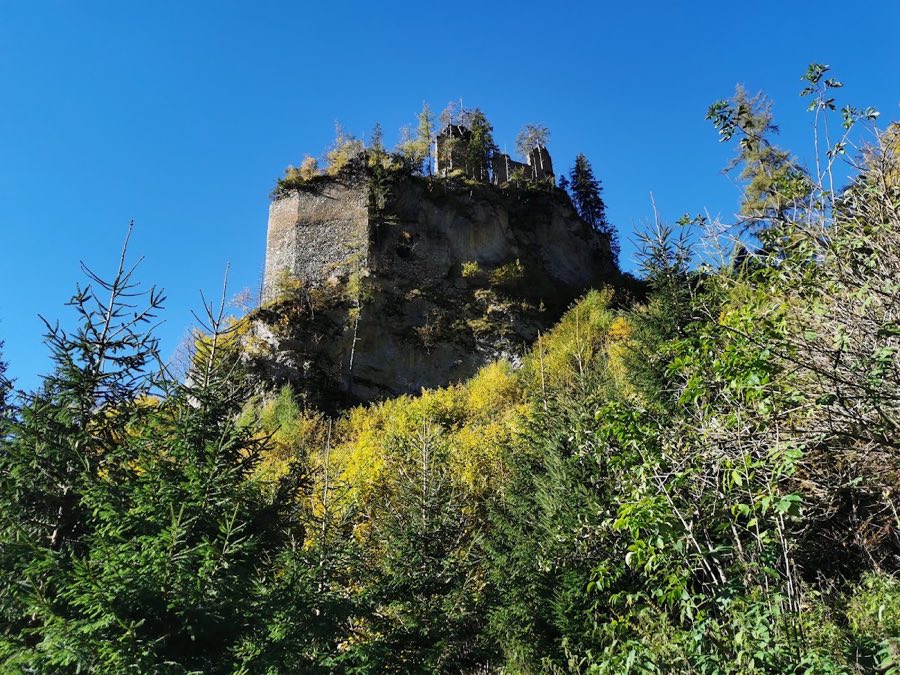
Burg Kammerstein
Austria
CastleRuin12th century
No. 84879
No. 84879 · 47.402 N, 14.882 E
Quick summary
Burg Ehrenfels is a castle in Austria with origins associated with the 13th century.
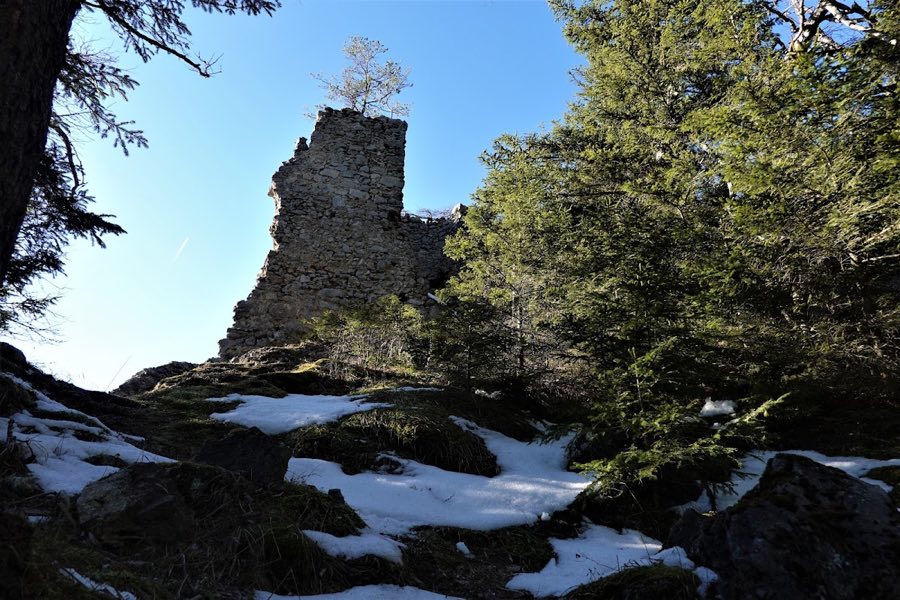
See all castles in AustriaBurg Ehrenfels is a hilltop castle located near the municipality of Kammern im Liesingtal in Austria. It was built and occupied by members of the Ehrenfels family, a noble lineage that originated from the Swiss canton of Graubünden.
The earliest record of the site dates back to 1229, when it was identified as the ancestral home of the Ehrenfels family. During this period, they held ties as vassals to the Hochstift Bamberg, a significant ecclesiastical principality. In 1292, the family took part in the Landsberger Bund uprising against Duke Albrecht I. Following their defeat, they were compelled to compensate the monastery of Admont through the transfer of properties, reflecting the political and religious complexities of the time.
Between 1356 and 1362, Wulfing von Ehrenfels served as an administrator and deputy for Bamberg’s interests in St. Leonhard im Lavanttal. His four sons significantly expanded their residence into a fortified castle. Notably, two of these brothers gained infamy as highwaymen when they captured Bishop Albert of Passau and demanded ransom. This act led to their excommunication by the Church and intervention by Duke Albrecht II, demonstrating the family’s turbulent relationship with both secular and religious authorities.
In the later 14th and early 15th centuries, another family member, Wolfhard von Ehrenfels, held important ecclesiastical positions as bishop of Basel from 1381 and bishop of Lavant from 1411, marking the continued influence of the family within church hierarchies. The line of the Ehrenfels family came to an end in 1422.
By 1439, the castle was referred to as “Veste Ernvels,” and around 1500 it appeared with the name “oberes Gsloss,” meaning “upper castle.” Records suggest that following this period, the castle was likely abandoned and ceased to be maintained as a residence or fortress.
The castle was constructed at an elevation of roughly 1150 meters, positioned on a commanding rocky outcrop known as the Gföhler Wand near Kammern. Access to the site is achieved only by a narrow and steep path connecting it to the nearby Burg Kamerstein, underscoring its defensible location amid challenging terrain.
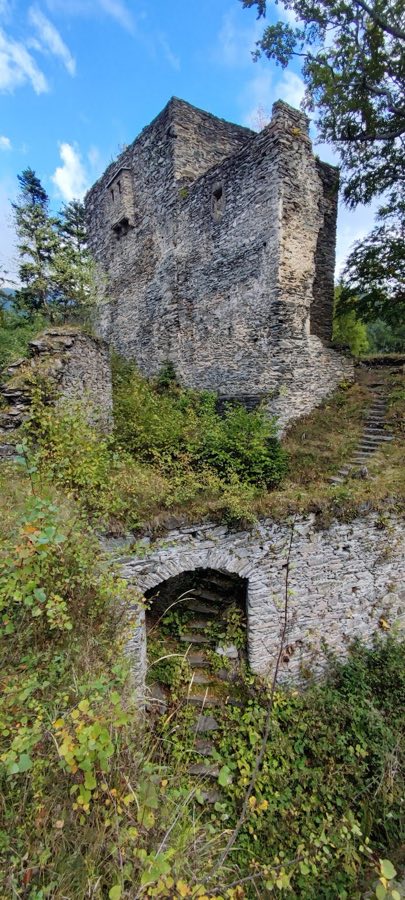
Today, Burg Ehrenfels exists mainly in ruins, with only some sections of the bergfried—the main tower—still standing. This tower served as the central stronghold within the medieval fortress, acting as a last refuge during attacks and a vantage point. The remaining stonework of the bergfried offers a glimpse into the castle’s former defensive purpose.
The site itself is surrounded by nearly vertical cliffs and steep slopes, natural features that reinforced the castle’s security. The rugged setting would have made any hostile approach difficult, a fact likely exploited during the family’s expansion and fortification efforts in the 14th century.
No additional architectural details, decorative elements, or inscriptions have been recorded at the ruin, and no specific archaeological findings have been documented to provide further insight into the castle’s construction phases or later modifications. The evidence that survives today mainly reflects the strategic choice of location and the medieval practice of hilltop fortifications common among noble families in the region.
No. 86432
No. 86707
No. 58407
No. 35781
Comments
Comments for Burg Ehrenfels will require a verified account before posting.
We'll send a verification link before your first comment is published.