No. 51078
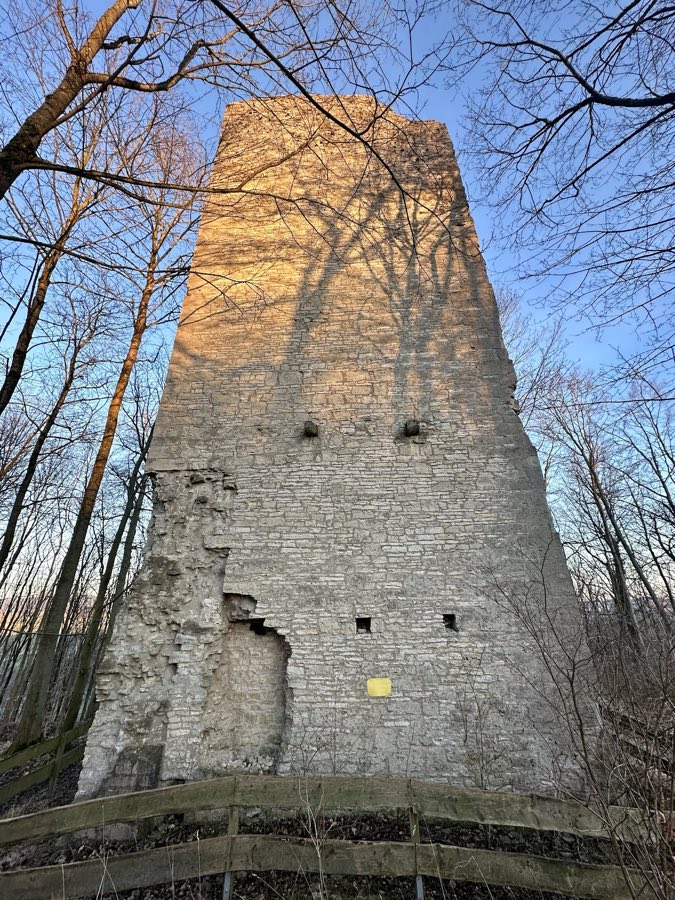
Burgruine Wohlenstein
Germany
CastleRuin13th century
No. 24160
Castle · Germany
No. 24160 · 52.019 N, 10.422 E
For events
Burg Liebenburg is marked as a château or castle venue lead. Capacity, indoor/outdoor spaces, catering rules, and accommodation options are published only after public verification.
Event types: Private events, Cultural gatherings, Filming and photography
Quick summary
Burg Liebenburg is a castle in Germany with origins associated with the 14th century.
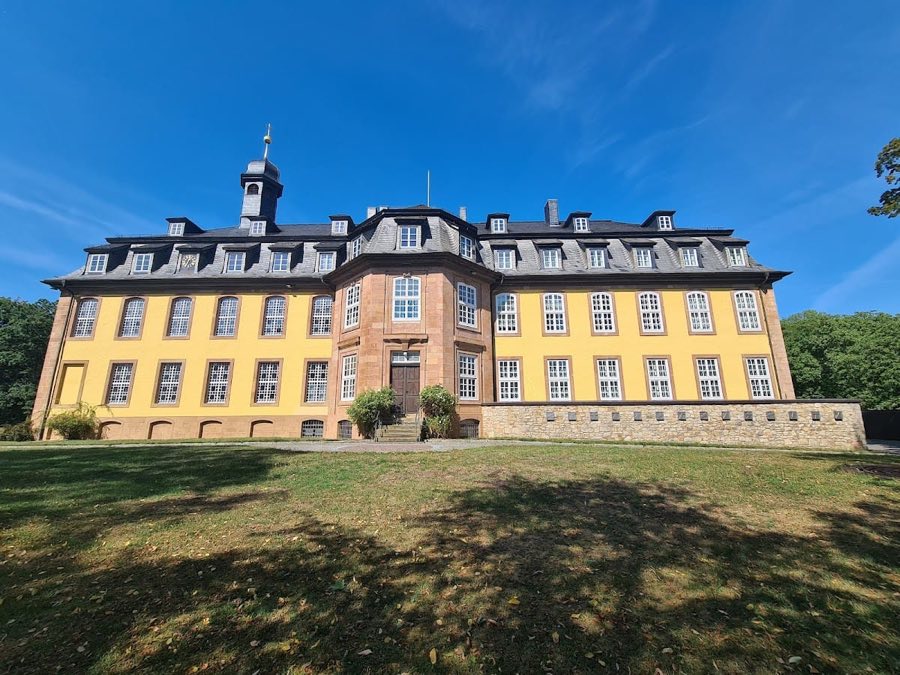
See all castles in GermanyBurg Liebenburg is a medieval castle located in the municipality of Liebenburg in present-day Germany. It was originally built by the bishops of Hildesheim to protect their eastern territorial border against the expanding influence of the Dukes of Brunswick.
Construction of the castle began in 1292 under Bishop Siegfried II of Hildesheim and was completed around 1302. Its initial purpose was that of a fortress securing the prince-bishopric’s frontier, playing a key role in regional defense. By the mid-14th century, from 1366 onward, the castle also served as a pawn possession to the nearby city of Braunschweig (Brunswick), acting as a base for controlling trade routes leading to the important mining town of Goslar.
Throughout the 14th and 15th centuries, various noble families including the von Schwicheldt and von Cramm clans held the castle through pawn agreements. In the early 16th century, control shifted when Duke Heinrich the Younger of Brunswick-Wolfenbüttel took possession in 1523. Notably, he used Burg Liebenburg as a place of concealment in 1541 and 1542 for his mistress Eva von Trott and their children.
The castle endured military pressures during the religious and political conflicts of the 16th century. Troops from the Schmalkaldic League occupied it in 1542, but it was later recaptured by the duke in 1547. A brief occupation by Count Vollrad von Mansfeld occurred in 1552. During the Thirty Years’ War, in 1625, the castle served as headquarters for the imperial general Albrecht von Wallenstein. The castle sustained heavy damage in 1633 when Swedish forces attacked. According to historical reports, the defending garrison escaped overnight using a secret underground passage, the existence of which was confirmed much later in 2005 through archaeological investigation.
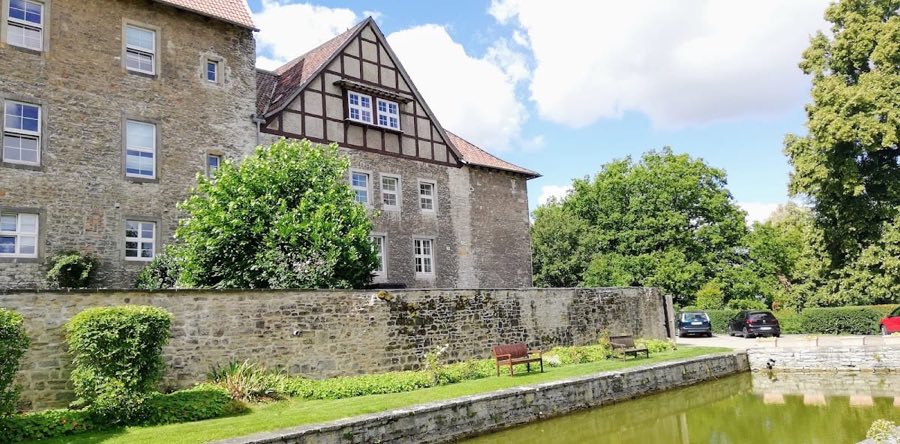
Following the war, Burg Liebenburg returned to the control of the Hildesheim prince-bishopric in 1643 through a formal treaty. In the mid-18th century, Prince-Bishop Clemens August ordered the demolition of what remained of the damaged medieval fortress. He initiated the construction of a Baroque-style pleasure and hunting lodge on the site, including a chapel dedicated to the Annunciation. However, work on this new building was left incomplete due to the outbreak of the Seven Years’ War in 1756. The west wing of the lodge was finished and eventually served as the local government office and court until 1959. Since 1974, this building has been privately owned and is used as a residence and studio by the artist Gerd Winner.
Restoration efforts began in the 1990s to preserve the surviving elements of the original castle, focusing on the repair of towers and defensive walls.
Burg Liebenburg was constructed as a spur castle, positioned on a prominent hill spur along the eastern slope of a ridge near Salzgitter. This location naturally enhanced its defensive capabilities. Originally, the fortress featured seven towers, which contributed to its reputation as one of the strongest fortresses in the Harz foreland region.
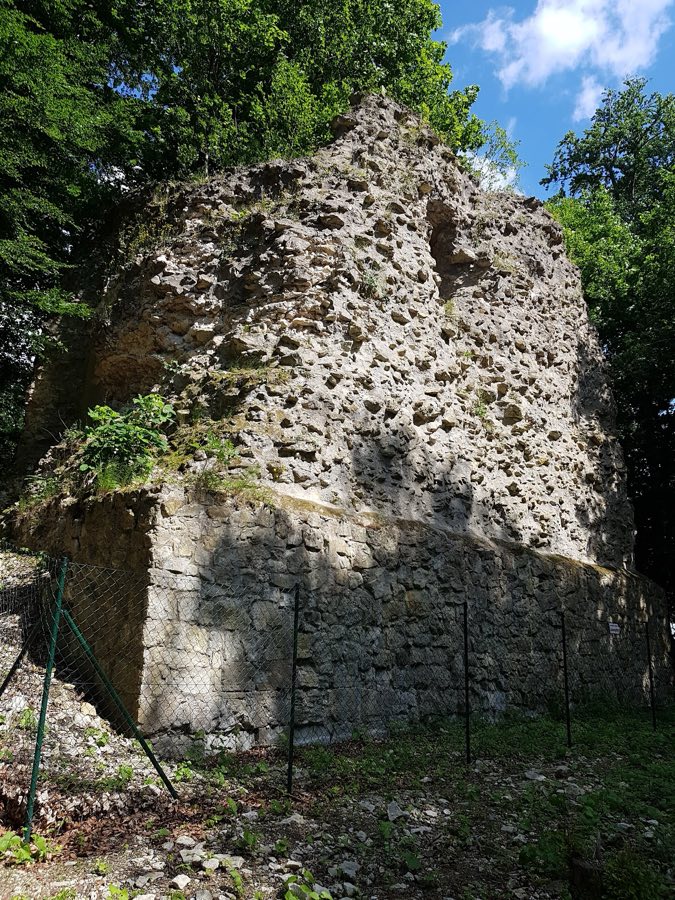
Today, parts of the outer bailey survive along with three of its original seven towers. The most prominent is the Hausmannsturm, a large tower dating from the late 15th century. Built atop an artificial mound reinforced by ramparts, this bergfried (a tall defensive tower typical of medieval castles) served as both a watchtower and stronghold. Its walls are several meters thick and pierced with numerous arrow slits set within niches for protected archery. Positioned apart from the main castle area, the tower was designed to monitor and secure approaches invisible from the rest of the fortress. After deteriorating and being closed in the 1970s, the tower was fitted with an internal spiral staircase in 1991 by a local heritage group. Further masonry restoration took place in 2005. The Hausmannsturm now functions as a viewing platform.
Another surviving tower lies on the eastern side of the ring wall, known as the flanking tower. Built around 1290, it was completely restored in 2003, including the installation of a modern flat roof. This tower is currently utilized as a venue for events.
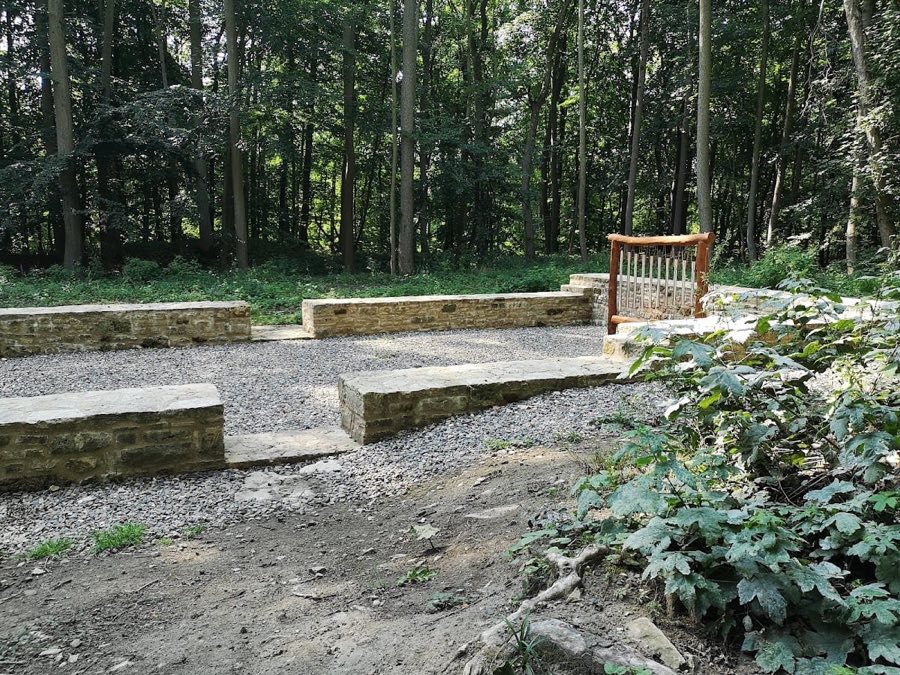
The foundation of the Schulmeisterturm remains in place, providing remnants of its former presence. Partial restoration in 2002 adapted it into an observation platform overlooking the nearby villages.
Extensive sections of the castle’s original ring wall have been restored, most notably in 2005. During these reconstruction efforts, a secret underground passage measuring approximately 2.2 meters in height and 0.7 meters in width was unearthed. This tunnel extended from the castle to the outside, with a sealed branch believed to have connected directly to the Hausmannsturm. Such a passage would have allowed discreet movement and supplied the tower’s garrison, a feature that aligns with historical accounts of the castle’s occupants using concealed routes during times of military threat.
No. 51078
No. 30528
No. 18741
No. 66458
Comments
Comments for Burg Liebenburg will require a verified account before posting.
We'll send a verification link before your first comment is published.