No. 51078
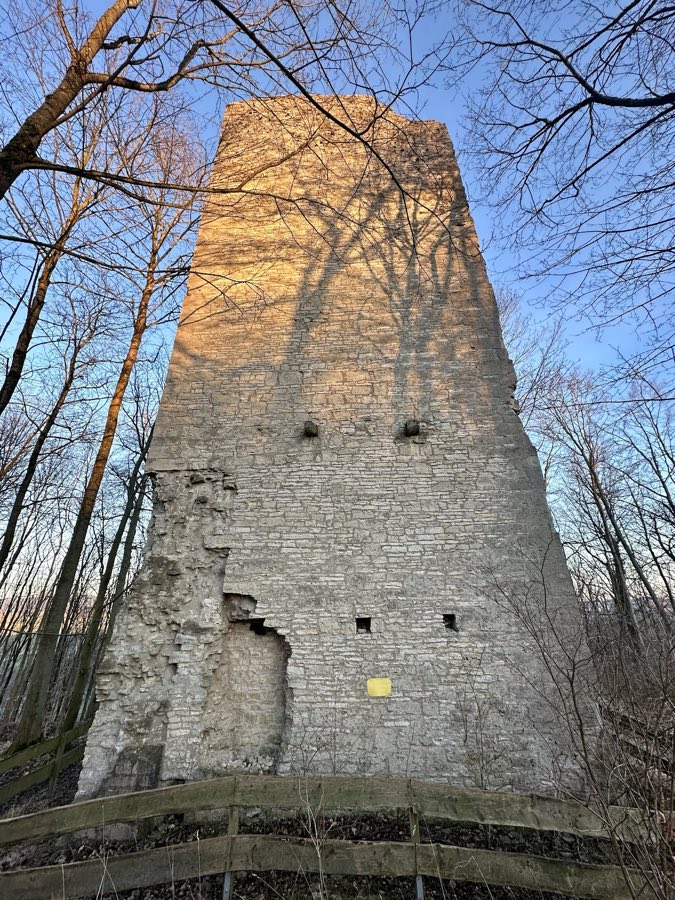
Burgruine Wohlenstein
Germany
CastleRuin13th century
No. 30528
Castle · Germany
No. 30528 · 51.943 N, 9.945 E
Quick summary
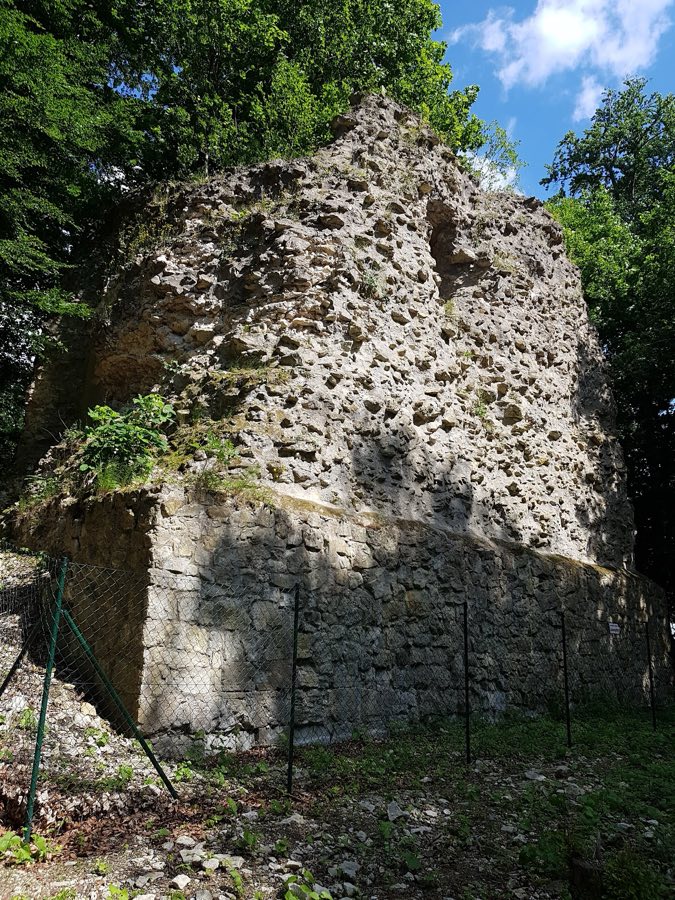
Burg Winzenburg is a castle in Germany with origins associated with the 12th century.
See all castles in GermanyBurg Winzenburg stands above the village of Winzenburg in the municipality of Freden, Germany, and was erected during the medieval period, probably in the eleventh century by regional secular or ecclesiastical authorities, but surviving records do not settle which.
The site appears in documents from 1109. In 1130 a violent episode altered its ownership when Hermann I of the Formbach family arranged the killing of his vassal Burchard I of Loccum. The count’s fiefs were confiscated and the castle reverted to the Bishopric of Hildesheim. When Hermann resisted imperial authority, Emperor Lothar III ordered the castle destroyed. Bishop Bernhard I, who served from 1130 to 1153, obtained royal approval to rebuild and first re‑erected wooden towers. After Bernhard, Bishop Bruno, in office from 1153 to 1162, replaced the timber defences with a substantial stone tower.
Under King Conrad III the castle briefly returned to secular control and was granted to Hermann II in 1150. Hermann II and his wife were murdered at the site in 1152, and from that event the castle remained under direct episcopal administration. Around 1200 the compound was enlarged to include a large forecourt to the east, and during Bishop Siegfried I’s term, from 1216 to 1221, the lower dwelling was heightened by an additional storey while the bishop’s residence was expanded. Bishop Otto I, who led from 1260 to 1279, had the complex enclosed by curtain walls.
In 1220 ponds were laid out below the castle, fed by springs that had long been a ritual place where ancient votive offerings were found. During the thirteenth century the castle saw frequent stays by the bishops and became the principal stronghold and administrative seat of the largest district in the Prince‑Bishopric of Hildesheim. In 1522, during the Hildesheim Stiftsfehde, besieging forces from the Dukes of Brunswick‑Lüneburg gained the position after a powder magazine exploded. From 1523 until 1643 the ruined fortress belonged to the Principality of Brunswick‑Wolfenbüttel. The duke quarried stone from the hill to erect an administrative house in the valley at the former village of Hasekenhusen, now called Winzenburg, and by the mid sixteenth century the hilltop stronghold was allowed to decay.
The site occupies a spur of the Sackwald and follows a sharply oval plan approximately 200 metres long and 80 metres across. The layout comprises a central residential mound where the main keep and living quarters stood, an extensive bailey to the east, and a separate hill at the eastern edge that carries the ruins of a distinctive five‑sided keep. The construction combines earthworks and stone masonry consistent with high medieval castle building on a rocky promontory.
The main castle sits on a raised living mound roughly 40 by 65 metres at the southwest end of the oval. Archaeological evidence records a keep, a residential building and a deep water reservoir on this platform. The cistern has been reconstructed as part of conservation work and reflects the site’s historical need to store rain and carried water. The residential structures were increased in height around the early thirteenth century, when the lower house received another storey and the bishop’s quarters were enlarged.
The pentagonal keep stands on the hill at the east end of the bailey and is the most prominent surviving element. Its masonry walls measure about three metres in thickness and the ruin rises to about ten metres. Defensive earthworks include a broad 40 metre‑wide neck ditch that cuts off the main castle from the adjacent plateau, and a second ditch bounding another terrace some 150 metres further east. About 300 metres beyond the eastern limits the small ringwork called Gartenkamp lies on a separate rise; any direct relationship between that enclosure and the hilltop castle has not been investigated.
Water for the hilltop complex came from springs at the foot of the slope, known as the Apenteich. Ponds there were laid out in 1220 and water was carried up the slope by pack animals along a route traditionally named the donkey path. The spring area also preserves evidence of much earlier ritual activity, where votive offerings dating to roughly five thousand years ago have been found. Over time the site was partly quarried for building stone, material that was taken down the hill to construct an administrative house in the valley, and today the ruins survive mainly as the remains of the eastern keep together with earthworks, reconstructed cistern, and scattered masonry.
No. 51078
No. 24160
No. 68614
No. 96079
Comments
Comments for Burg Winzenburg will require a verified account before posting.
We'll send a verification link before your first comment is published.