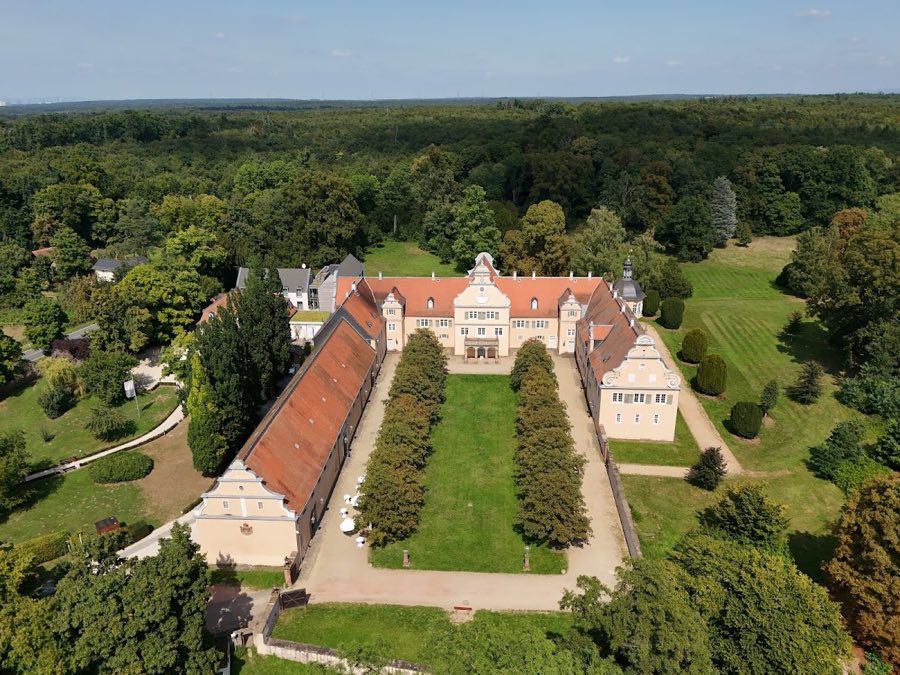
No. 68449
Jagdschloss Kranichstein
Germany
PalaceRestoredFor rent16th century
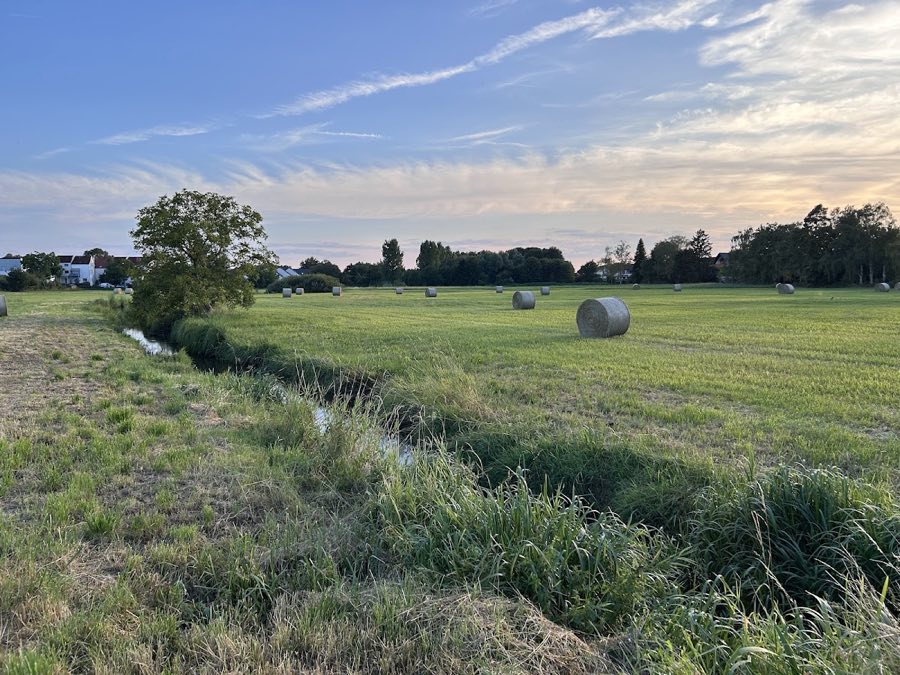
No. 80735
Castle · Germany
No. 80735 · 49.851 N, 8.503 E
Quick summary
Burg Neu-Wolfskehlen is a castle in Germany with origins associated with the 13th century.
See all castles in GermanyBurg Neu-Wolfskehlen is a medieval castle site located in the Wolfskehlen district of Riedstadt, Germany. It was constructed by the knightly Wolfskehlen family during the early 13th century as a new residence distinct from their older stronghold, Burg Alt-Wolfskehlen.
The castle’s origins trace back to the early 1200s, when three younger sons of Gerardus de Wolfskehlen, a local nobleman, decided to establish a fresh seat of power. This new fortress came to be known as Neue Burg, or Burg Neu-Wolfskehlen, to distinguish it from the existing family castle. The first direct historical record of the site appears in 1252, when ownership changed hands through a sale to Archbishop Gerhard of Mainz. It is believed that the Wolfskehlen family retained control of the castle under Mainz as a fief, reflecting typical feudal arrangements of the time.
In 1298, documents mention a Mainz burgrave, or castle governor, connected to the nearby Kronberg castle, indicating Mainz’s administrative interest and military oversight in the area. Around 1301, Burg Neu-Wolfskehlen was likely destroyed in the course of a conflict involving the Archbishopric of Mainz and King Albert of Germany. This feud ultimately brought the castle to ruin, ending its brief chapter as a fortified residence.
Following its medieval demise, the castle fell out of use. Its stones were gradually removed for building materials in the surrounding village, leaving only faint traces of the original structure. It was not until archaeological efforts began more than seven centuries later, starting in 2014, that the castle’s precise location and layout were rediscovered and confirmed, resolving earlier uncertainties about its position in the Wolfskehlen landscape.
The archaeological investigations at Burg Neu-Wolfskehlen have revealed a modestly sized medieval castle site occupying about 50 by 50 meters. Situated on a slightly raised area near what was once a moorland alongside the old course of the Neckar river, the castle was built as a lowland fortress adapted to its wetland surroundings. The castle’s foundation rested on wooden piles driven into soft ground, a construction technique known as a pile foundation or “Pfahlrost,” which helped stabilize the structure.
At the heart of the site lies the core castle, known as the Kernburg, enclosed by a stone wall. Within this enclosure stood a simple residential building alongside a prominent tower called a Burgfried. This tower had a square base measuring roughly 9.3 meters on each side, with an interior chamber about 4 meters wide. Although the thickness of its walls cannot be precisely determined, nearby features believed to be collapsed mortar and stone debris suggest the original walls were substantial.
Geophysical surveys detected a second fortified wall on the castle’s southwest and northwest sides. This outer barrier likely formed a zwinger, or defensive outer ward, which contained a large cellar. Scholars interpret these two walls as evidence of different construction phases, although their coexistence is unlikely given the castle’s relatively short active life.
Beyond the Kernburg, the outer ward, termed the Vorburg, is thought to have extended toward the current edge of the Wolfskehlen settlement. Its archaeological exploration remains partial, but it represents the broader castle complex that once served defensive and residential functions.
The medieval site has yielded fragments of pottery consistent with its period, confirming its medieval origins and distinguishing it from earlier Roman occupation of the region. Today, only the foundational remains and subsurface features remain visible, with much of the castle’s original fabric lost through centuries of stone removal for local building purposes. The rediscovery and detailed surveys conducted since 2014 have been crucial in reconstructing the castle’s layout and understanding its place in the medieval landscape around Riedstadt.
No. 68449
No. 19872
No. 18263
No. 50597
Comments
Comments for Burg Neu-Wolfskehlen will require a verified account before posting.
We'll send a verification link before your first comment is published.