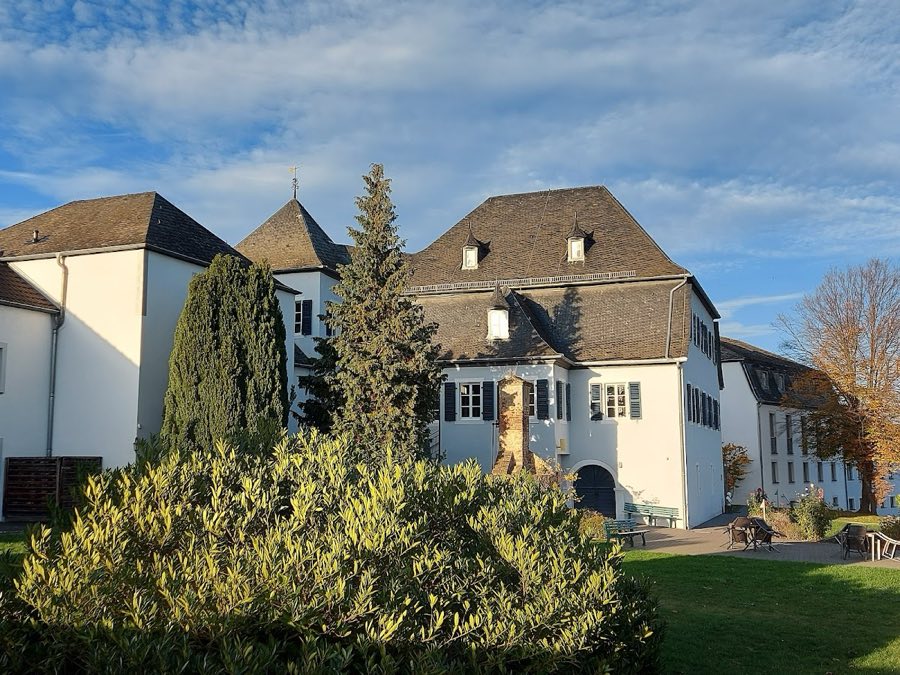
No. 48429
Burg Lantershofen
Germany
CastleRestored11th century
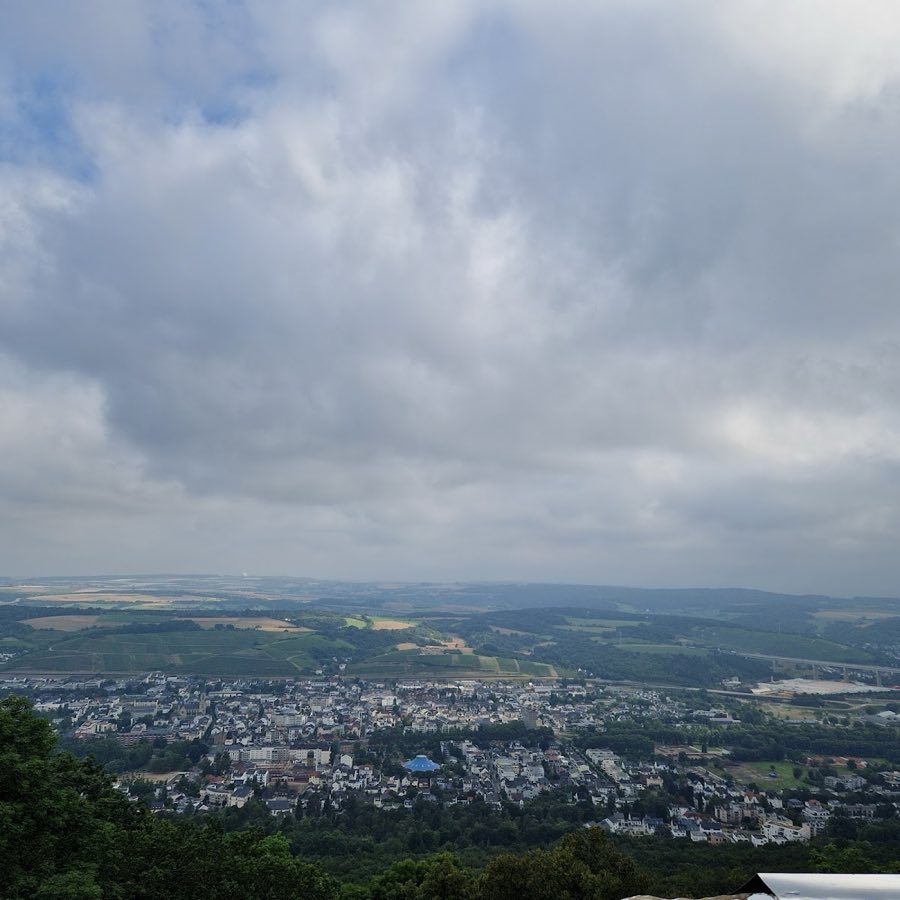
No. 20798
Castle · Germany
No. 20798 · 50.531 N, 7.138 E
Quick summary
Burg Neuenahr is a castle in Germany with origins associated with the 17th century.
See all castles in GermanyBurg Neuenahr stands in Bad Neuenahr-Ahrweiler, Germany, and was built by local German medieval nobility.
Construction began around 1225 when Count Otto, son of Gerhard of Are and Nürburg, established the hilltop stronghold and became the first member of his family to take the name von Neuenahr. From its founding the castle functioned as the administrative seat of the County of Neuenahr. The family line is documented to pass from Otto to his sons Gerhard and Ludwig and onward through descendants including Theodorich, Wilhelm I, Krafto, Wilhelm II, Wilhelm III and Katharina. These successions prompted inheritance disputes that involved the Saffenburg branch and other male relatives.
In 1343 Wilhelm III received the castle as a fief from Archbishop Walram of Jülich, who acted in his capacity as Archbishop of Cologne. Decisive military action followed in 1372 when Archbishop Friedrich III of Saarwerden, supported by the citizen marksmen of Ahrweiler, laid siege to the stronghold to end the robber-knight activity associated with it. A contemporary Cologne chronicle reports that Friedrich captured and destroyed the castle in roughly ten days. After the operation the archbishop demanded 50,000 Gulden and took control of the castle hill on the condition that no fortress ever be rebuilt there, and the County of Neuenahr was to be divided equally between the parties involved.
The ruined site survived in that state for centuries. At the end of the 17th century the remaining walls were taken down and building stone removed for reuse, including material used to rebuild the former Rentmeister building at the foot of the castle hill, a building now known as the Beethovenhaus. Generations later some descendants of the former occupants, among them Hermann von Neuenahr the Elder, regained prominent social positions.
The castle stands on a 337 meter hill in the lower Ahr valley, set on a basalt core that is mantled by a layer of greywacke. A quartz outcrop is visible on the eastern side of the hill and was apparently used as a source of building stone. The layout on the summit shows the plan of a compact medieval hill castle with a defended enclosing wall and a central stronghold, now preserved only as foundations and rubble.
A deep artificial defensive ditch cuts around the site on three sides and, despite the accumulation of fallen masonry, still reaches about 10 meters in depth in places. Two large spoil heaps of demolition debris lie alongside this neck ditch, recording the mass of stone and mortar removed when the castle was dismantled. The steep slope toward the Ahr provided the strongest natural defense and contained the former approach to the entrance.
On the plateau the remains of the enclosing masonry survive as foundation courses forming a roughly triangular circuit. Within that perimeter the footprint of a rectangular central tower is visible along with further building remains that mark service and domestic areas. These masonry traces survive in situ as fragmentary foundations and wall bases. After deliberate demolition in the 17th century many stones were taken away for local rebuilding, a reuse that altered the appearance of the ruins.
A modern round observation tower of reinforced concrete was erected on the grounds in 1972. A simple pavilion placed by the Eifelverein stands on the site as well. These recent additions occupy the castle hill alongside the archaeological remains and are recorded features of the surviving ensemble.
No. 48429
No. 65580
No. 82338
No. 80922
Comments
Comments for Burg Neuenahr will require a verified account before posting.
We'll send a verification link before your first comment is published.