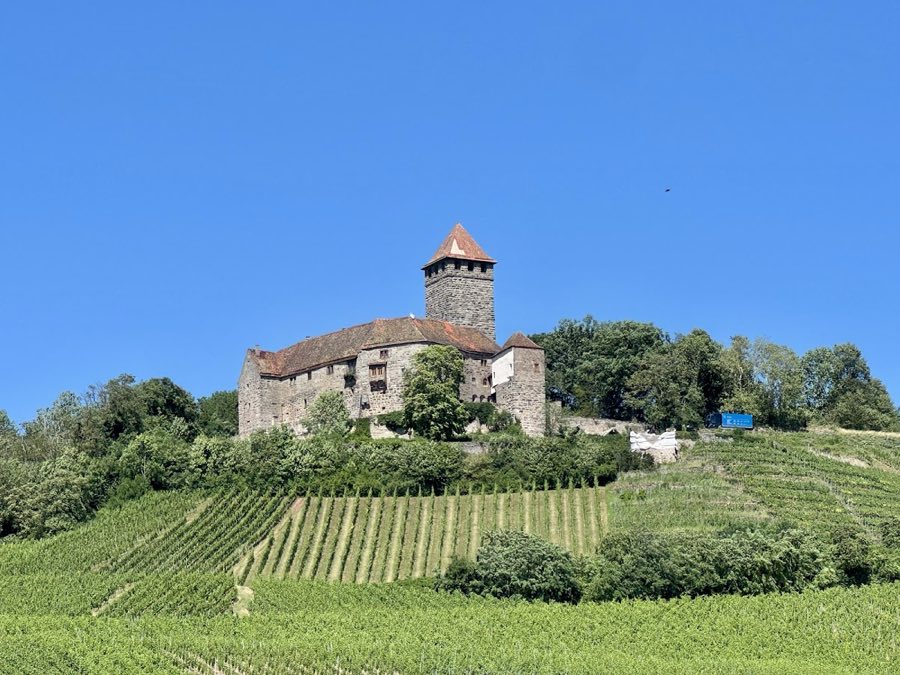
No. 98198
Burg Lichtenberg
Germany
CastleRestored12th century
No. 27187
Castle · Germany
No. 27187 · 48.992 N, 9.461 E
Quick summary
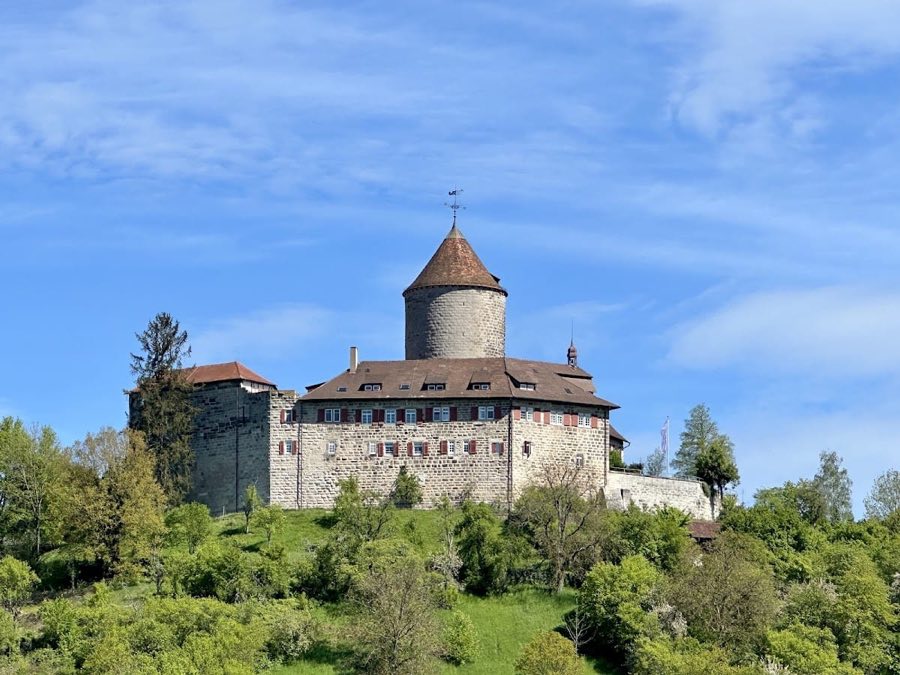
Burg Reichenberg is a castle in Germany with origins associated with the 13th century.
See all castles in GermanyBurg Reichenberg is a hilltop fortress situated in the municipality of Oppenweiler, Germany. It was established in the early 13th century by the Margrave Hermann V of Baden, who was a devoted supporter of Emperor Frederick II from the Staufer dynasty.
Construction of the castle took place between 1230 and 1231, around the same period as Burg Ebersberg and the upper castle in Besigheim. These sites share striking similarities in size, structural design, and the markings left by their stonemasons. Early records from 1230 cite knights Wolfram and Berthold von Reichenberg as inhabitants, indicating the castle’s initial role as a ministerial stronghold. As such, it functioned as an administrative center for the surrounding region, staffed by knights serving the Margrave.
By 1293, governance of the castle had passed to the Sturmfeder family from Oppenweiler, who acted as ministerials residing at Burg Reichenberg. This period sustained the castle’s administrative importance within the local feudal framework.
In the 19th century, the castle’s purpose shifted from medieval governance to a forestry role under the Kingdom of Württemberg. Karl von Schiller, son of the famed poet Friedrich Schiller, served as a forester here between 1822 and 1833. Later, in 1888, the castle was leased to the Samaritan Foundation, which repurposed it as a social care institution for disabled individuals. This facility operated until 1929 before relocating to Schloss Grafeneck.
During the mid-20th century, specifically from 1930 into the 1950s, the Evangelical Society of Stuttgart used the castle as a shelter for women engaged in prostitution in Stuttgart. Eventually, the building was converted once again into a home for disabled persons. Since 2007, the Paulinenpflege Winnenden e.V. has managed the castle as a care facility, while ownership remains with the state of Baden-Württemberg.
Throughout its long history, Burg Reichenberg has remained remarkably intact. It represents one of the best-preserved examples of Romanesque castle architecture in the Rems-Murr district, reflecting centuries of adaptation from medieval fortress to social institution.
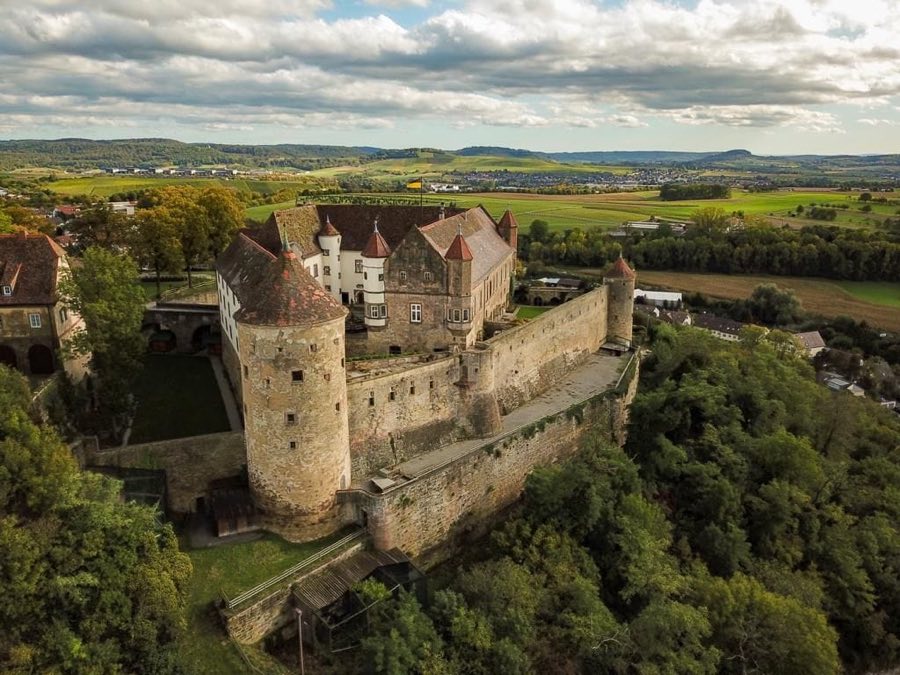
Burg Reichenberg occupies a commanding hilltop position and presents a well-preserved example of a Romanesque fortification. Its layout centers on a stronghold built primarily from stone, with substantial defensive features that underline its military and administrative functions.
The castle’s main tower, known as a bergfried, features walls that are four meters thick, emphasizing its role as a last refuge during conflicts. Alongside this is a massive shield wall designed to protect the keep, topped with a timber-framed battlement walkway. This elevated wooden gallery provided defenders with cover while allowing them to observe and repel attackers. Similar shield walls extend along the northeastern and northwestern sides of the castle and support a covered battlement with a gabled roof, which replaced an earlier open fighting platform. Traces of the original open battlement remain visible on the southwest side.
Historical drawings from the 17th century by Andreas Kieser depict a second tower that once stood on the site. This additional tower survived until at least the late 18th century, though today it no longer exists.
Between 1556 and 1562, the castle was augmented with a southwest wing called the “Schloss.” This section is notable for including cellars dug directly into the bedrock, providing durable storage and residence space. The Schloss served as a more permanent home and administrative center, especially for the forestry officials appointed to manage the surrounding lands.
Originally, Burg Reichenberg was surrounded by a moat, which would have encircled the entire fortress. Today, this moat is barely visible, as the earth excavated during its creation was likely reused in constructing the castle itself. The castle’s entrance was once protected by a drawbridge spanning a small forward tower. This structure has since been replaced by a simple fixed bridge, reflecting changes in the castle’s defensive needs.
Together, these features showcase Burg Reichenberg’s evolution from a medieval defensive stronghold to a residential and administrative complex, while retaining much of its original Romanesque character.
No. 98198
No. 56433
No. 97215
No. 99334
Comments
Comments for Burg Reichenberg will require a verified account before posting.
We'll send a verification link before your first comment is published.