No. 72200
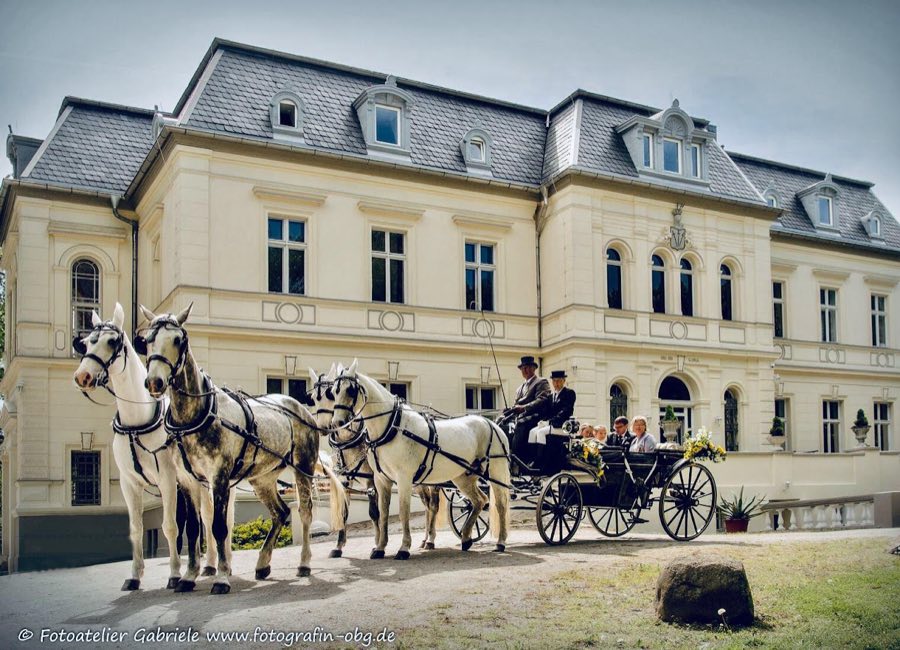
Schönfeld (Altmark) Château, Bismark
Bismark, Germany
ChâteauRestoredFor rent16th century
No. 60482
Castle · Germany
No. 60482 · 52.543 N, 11.977 E
Quick summary
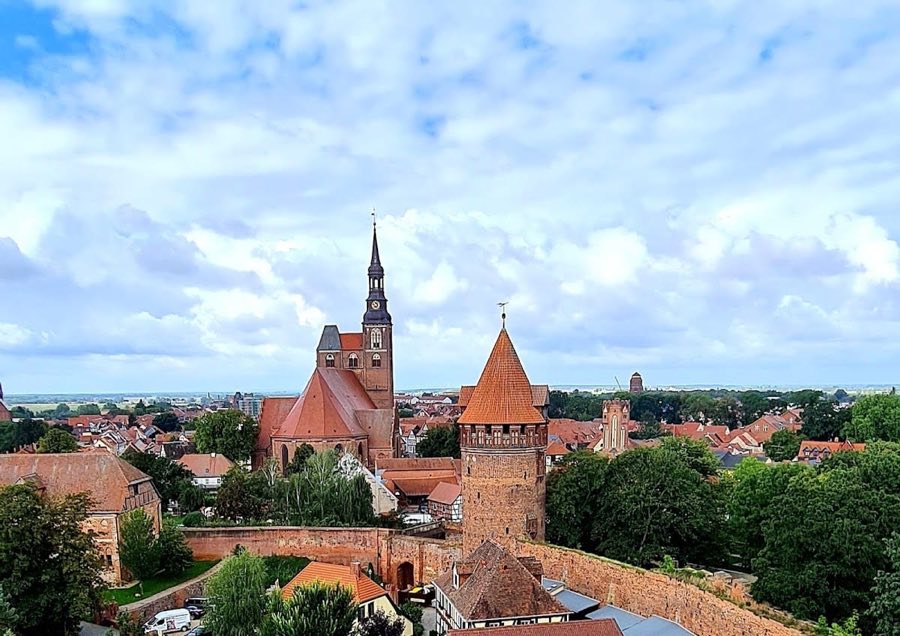
Burg Tangermünde is a castle in Germany with origins associated with the 13th century.
See all castles in GermanyBurg Tangermünde is located in the town of Tangermünde, Germany. It was established by the Ascanian margraves, a German noble family, around the year 925 as a fortress to guard the border where the Tanger River meets the Elbe River.
In its early history during the 10th and 11th centuries, the castle acted as an imperial stronghold protecting the German Reich’s frontier alongside the Elbe. It also served as a residence for Holy Roman Emperors, who used the site not only for defense but to collect customs duties from river traffic. The castle’s strategic position made it an important military and administrative center during this period.
By the 13th century, a settlement began to grow immediately below the castle walls, marking the start of the town of Tangermünde. During this time, the castle functioned as a Reisepfalz, a type of temporary royal residence used by the Ascanian margraves of Brandenburg while traveling through their territories.
The castle reached a new height of importance in the late 14th century under Emperor Charles IV. In 1373, he took up residence at Tangermünde and expanded the fortress into a palace-like home to serve as the main residence of the Margraviate of Brandenburg. His ambitions included making Tangermünde the capital of his northeastern lands. As part of his development, Charles IV transformed the castle chapel into a collegiate church in 1377, giving it a significant religious role.
After Charles IV’s death, however, the castle’s political influence diminished. When the Hohenzollern noble Frederick I became margrave and elector in 1415, he lived mostly at Tangermünde but did not maintain plans to elevate the castle to a permanent capital. By the end of the 15th century, the Hohenzollern family shifted their primary residence from Tangermünde to Berlin, particularly following citizen unrest in 1488. From then on, the castle served mainly as an administrative center overseeing the Altmark and Prignitz regions.
The Thirty Years’ War brought destruction to the site when Swedish forces set fire to the castle in 1640. Later, in 1699, an administrative building known as the Amtshaus was constructed on the ruins, likely utilizing the foundations of the castle’s main hall (palas).
Restoration work began in the early 20th century, starting in 1902. Over time, parts of the castle complex were repurposed, including uses as a children’s hospital and residential housing. Some buildings experienced deterioration after the reunification of Germany in the late 20th century, but renewed efforts have since preserved and adapted the site.
Burg Tangermünde’s surviving medieval elements comprise various defensive and residential structures laid out within its original walls and moats, reflecting its development from a fortress to a palatial residence.
One of the most prominent features is the castle gate, which controlled access to the site and played a vital role in its defensive system. Surrounding the castle are the ring walls that enclose both the outer and inner baileys—open courtyards within the complex. These walls helped define the castle’s stronghold layout and provided protection.
Among the towers still standing is the round bergfried, a type of fortified tower traditionally used as a stronghold and last refuge during attacks. This particular bergfried is known as the “Gefängnisturm,” or prison tower, indicating its later use as a holding place for prisoners. Another tower, the Kapitelturm or residential tower, rises approximately 50 meters in height and has undergone careful restoration. Since 2003, it has served as an observation tower and is set within extensive lawns and gardens that complement the castle grounds.
The castle moat, a water-filled defensive ditch, remains visible and outlines the fortification’s perimeter. It contributed to the defensive capabilities by impeding attackers.
The late Gothic Alte Kanzlei, or Old Chancellery, stands within the complex and has been adapted for contemporary use as an event venue. Its architectural style marks the period of its construction and reflects its administrative function in the castle’s history.
The Amtshaus, dating from 1699, occupies a site believed to correspond to the original palas, which was the main hall or principal residential building of the medieval castle. This structure embodies the castle’s post-medieval administrative use after periods of destruction.
Today, the castle courtyard functions as a terrace area, and the entire ensemble is situated on a high bank overlooking the Elbe River just north of Tangermünde’s center. This elevated position underscores the castle’s original purpose to monitor and control river traffic and serve as a frontier defense point. The integration of historical buildings with open green spaces enhances the sense of the site’s long-standing presence in the landscape.
No. 72200
No. 11056
No. 74815
No. 45783
Comments
Comments for Burg Tangermünde will require a verified account before posting.
We'll send a verification link before your first comment is published.