No. 31696
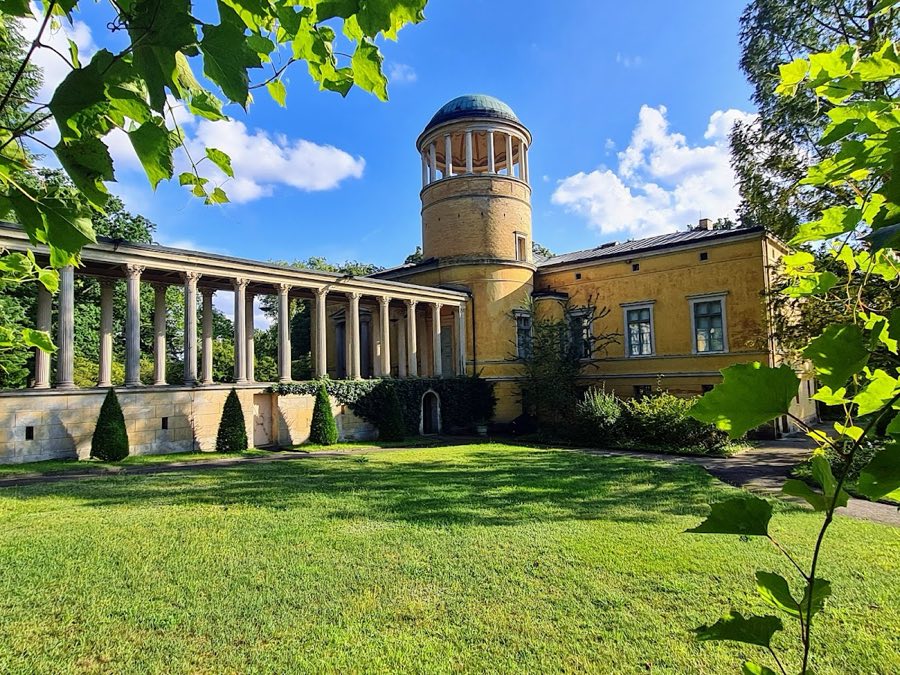
Lindstedt Castle
Germany
PalaceIntactFor events19th century
No. 45783
Castle · Germany
No. 45783 · 52.404 N, 12.871 E
Quick summary
Burg Zolchow is a castle in Germany with origins associated with the 13th century.
See all castles in GermanyBurg Zolchow in Werder, Germany, was established as a fortified lowland castle in the late Middle Ages and occupies a place earlier settled by the West Slavic Heveller.
Before the medieval fortress stood at this narrow crossing of the lake, a Heveller settlement occupied the site. The first documentary reference named the place Zolgowe on 10 November 1290, when Heinrich von Friesack transferred an eight‑hufen leasehold, roughly 140 hectares, on the lakeshore to the Brandenburg cathedral canons. Cellar vaulting at the site has been dated to the 1200s, indicating substantial construction in the late 13th century.
The Brandenburg cathedral canons kept the property for roughly two centuries. During their period of control they erected defensive works around the site, including a surrounding ditch measuring about twelve metres in width, a drawbridge to control the crossing, and a large earth rampart. These fortifications terminated in the Großer Plessower See on both sides of the crossing.
In 1528 the cathedral canons exchanged the castle for revenues from Tremmen and Markee, passing the place to Junker Jakob von Rochow of Golzow. In 1616 Wolf Dietrich I von Rochow‑Golzow sold the fortified site and its appurtenances to his kinsman Hans XIII von Rochow‑Plessow for 13,133 thaler. Later owners named at the site include Wolf Dietrich II (mentioned 1623, died 1648), Hans IV von Rochow (owner 1649), Hans Ernst von Rochow (1633–1686), Hans Wilhelm I von Rochow (1672–1730), Hans Friedrich II von Rochow (1698–1787) and Gottfried Christian (1707–1774).
From 1616 until 1945 the estate belonged to the Plessower branch of the von Rochow family and for a long period served as the family’s principal residence, called the permanent house Zolchow. In the 1700s the property was used as a widow’s seat, and later its role diminished as it was leased out as an outlying farm. In 1805 a tenant flattened the rampart and filled in the former moat to convert the ground for agricultural use. A farm building suffered heavy fire damage in 1892. The main residential house was later used as a grain and potato store and was demolished in 1916, while smaller ancillary buildings subsequently fell into ruin. The cellar rooms that remain have been placed under monument protection and the place continues to be known locally as Burg Zolchow.
The site preserves the plan of a lowland castle set at the Großer Plessower See, where a broad defensive ditch once encircled the stronghold and cut into the lake on both sides of the crossing. This ditch measured approximately twelve metres across and was paired with a drawbridge at the crossing; behind it rose a substantial earth wall forming the principal outer defence. These landscape modifications defined the fortified position around the late medieval residence.
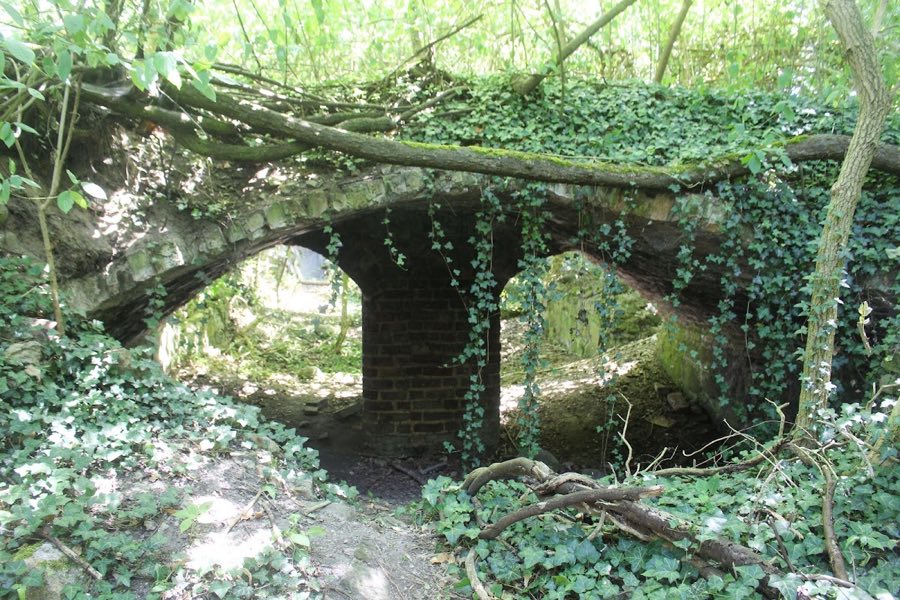
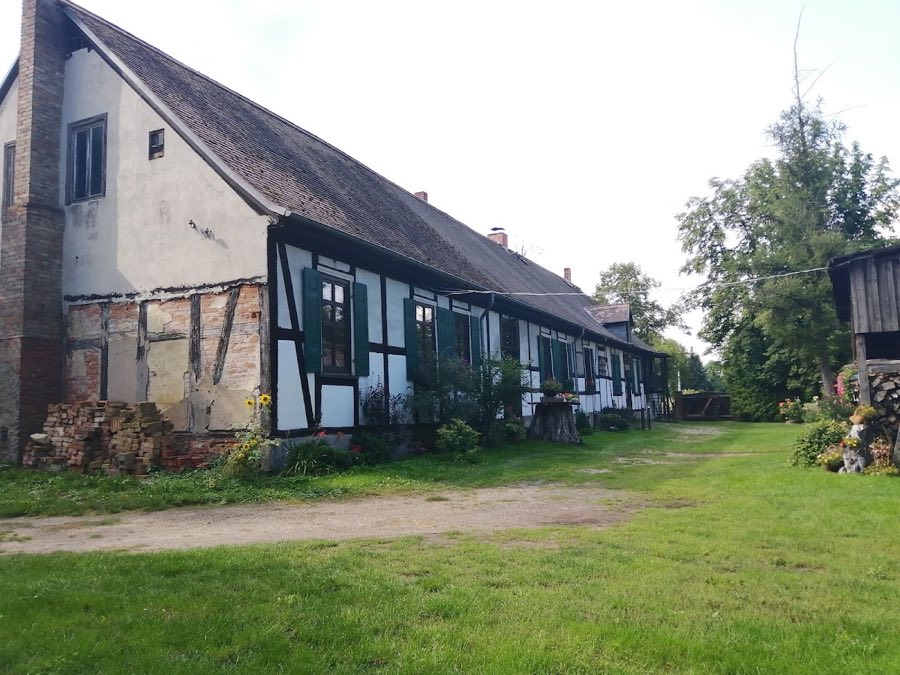
The most visible structural remains are vaulted cellar rooms built of red brick and worked fieldstone, with construction dated to the 13th century. These cellar vaults survive in situ and show the masonry techniques of their period, forming the buried foundations for later buildings. Above these older vaults stood a multi‑storey manor house with a steep gabled roof and a tower‑like projecting bay, an arrangement that reoccupied the medieval base in subsequent centuries.
The site underwent practical alterations in the 19th century when, in 1805, a tenant levelled the earth rampart and filled the moat to gain arable land. A farm building on the property was badly damaged by fire in 1892, and the main residence was converted for grain and potato storage before being taken down in 1916. Smaller outbuildings were left to decay, and wall remnants of the ruined farmstead now lie close to the modern A10 crossing over the Plessower See.
Today the cellar‑room ruins are protected as a monument but are overgrown and partially concealed by vegetation. Temporary safeguards consist of a fence with many holes and weathered tarpaulins, and the place remains known in local usage as Burg Zolchow.
No. 31696
No. 51264
No. 61825
No. 60482
Comments
Comments for Burg Zolchow will require a verified account before posting.
We'll send a verification link before your first comment is published.