No. 89607
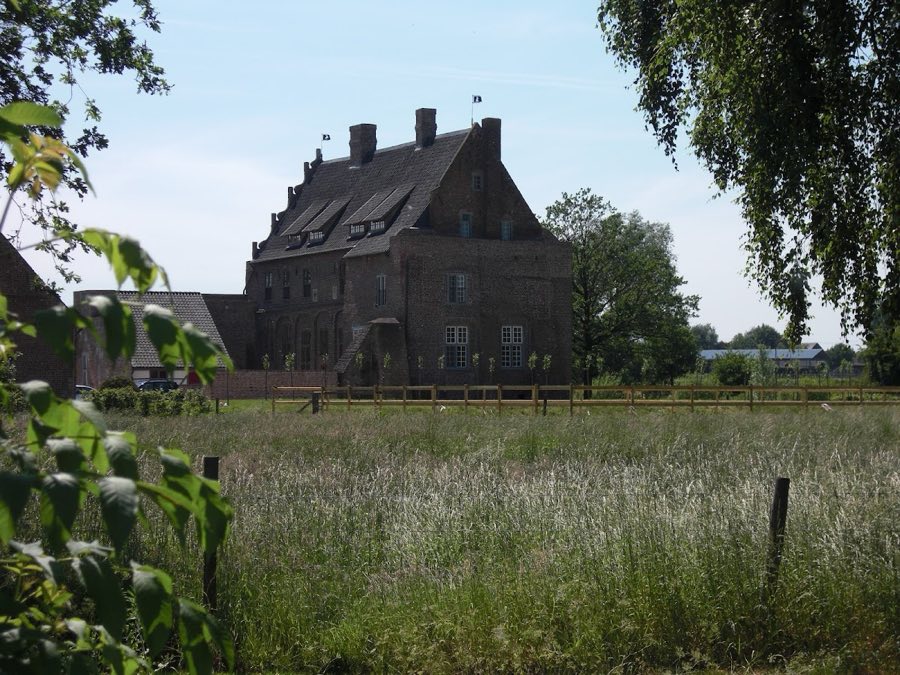
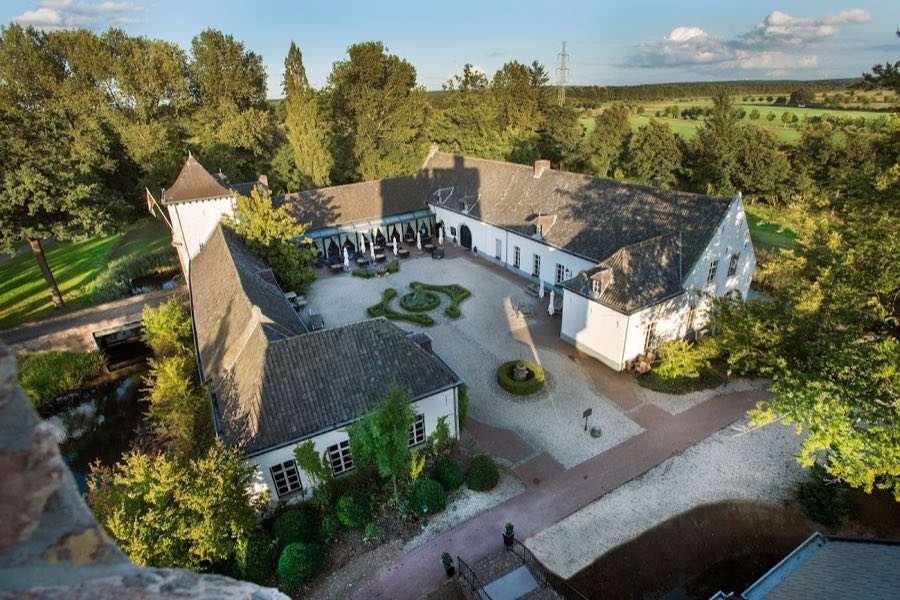
Haus Vlassrath
Germany
Manor houseRestored14th century
No. 36564
Castle · Germany
No. 36564 · 51.322 N, 6.378 E
Quick summary
Burg Uda is a castle in Germany with origins associated with the 20th century.
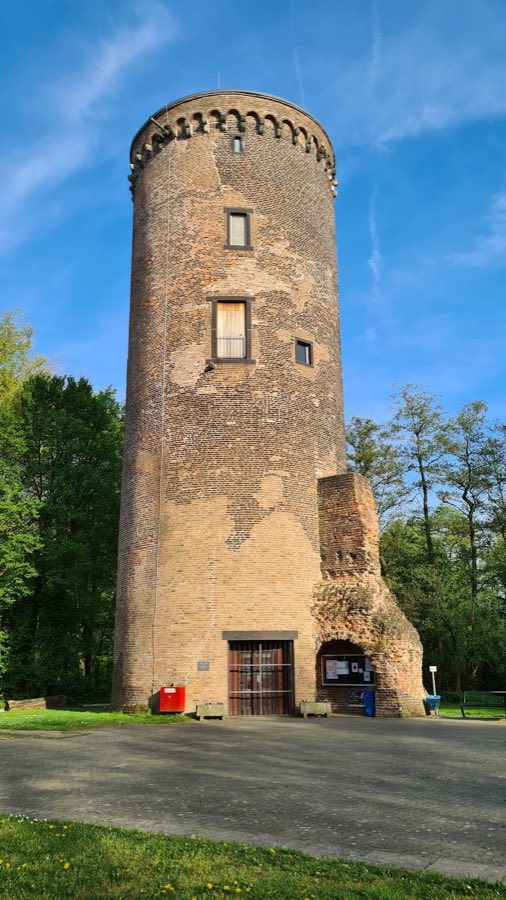
See all castles in GermanyBurg Uda is a medieval castle ruin situated in the municipality of Grefrath in present-day Germany. The castle was constructed during the Middle Ages by the civilization that inhabited the Lower Rhine region, although precise details about its founding, founding figures, or the precise timeframe of its establishment remain undocumented in current sources.
The history of Burg Uda is primarily understood through archaeological investigation and historical study, including research published by Wilhelm Janssen in 1968. These investigations reveal that the castle served as a medieval fortification, but records do not clearly identify its original builders, the rulers who governed from it, or whether it ever experienced conquest or significant changes in use throughout its active period.
While no explicit information exists regarding military conflicts involving Burg Uda, religious functions, or administrative roles, the castle’s location near the village of Oedt suggests it may have played a role in the local defensive network or local governance. Over time, it fell out of use and entered a phase of decline, eventually becoming the ruin observed today. Archaeological excavations conducted in 1959 and 1961 have provided insight into the site’s occupation and contribute valuable context to its historical narrative.
The visible remains of Burg Uda consist primarily of ruins that include a standing tower and sections of masonry. These elements reflect medieval construction techniques typical of small castles in the Lower Rhine region, with stone foundations and wall segments that indicate defensive and residential purposes.
The tower, which is the most prominent surviving structure, remains in situ and offers a tangible connection to the castle’s original form. The masonry of the tower and surrounding walls displays craftsmanship sufficient to support defensive functions. Photographic evidence from 2021 documents its fragmentary yet identifiable state, demonstrating that substantial portions of the stonework have endured across centuries.
Alongside the tower, additional ruins include lower wall sections whose layout suggests a compact stronghold rather than an extensive fortress. Archaeological panels installed at the site provide interpretations about daily life, the medieval kitchen, surrounding environment, and excavation discoveries, although these thematic elements supplement rather than expand the physical description of the ruin itself.
No artistic or inscribed features have been documented in the surviving fabric, and no details of modifications or secondary reuse are noted in the archaeological record. The castle’s preservation enables visitors and scholars to recognize its historical footprint in relation to the nearby village of Oedt but does not extend to extensive structural remains or later architectural phases.
No. 89607
No. 92616
No. 65370
No. 85340
Comments
Comments for Burg Uda will require a verified account before posting.
We'll send a verification link before your first comment is published.