No. 65808
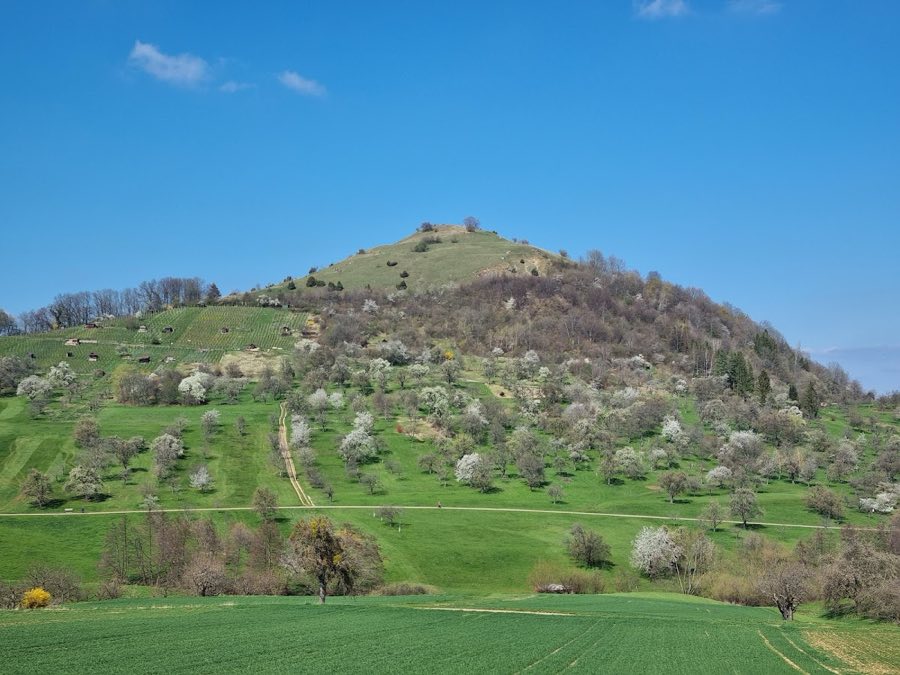
Burg Limburg
Germany
CastleRuin12th century
No. 63855
Castle · Germany
No. 63855 · 48.659 N, 9.688 E
Quick summary
Burg Zillenhart is a castle in Germany with origins associated with the 13th century.
See all castles in GermanyBurg Zillenhart in Schlat, Germany, was established by the Lords of Zillenhart, a medieval local noble family.
The site served as the family’s ancestral seat and appears in records from the early 13th century. In 1241 Sifried von Zillenhart is listed as a vassal of the Counts of Helfenstein, linking the castle and its owners to the regional lordship of that era.
A member of the same family appears again in the mid 14th century. Seuridus de Zullhard, also named as Seifried von Zillenhard, is recorded on a Visconti paylist in 1354. Around 1350 he is reported to have established a small chapel below the family stronghold beside the old trade route between Kirchheim unter Teck and Süßen, dedicating that chapel to St. Gotthardt. The chapel gave its name to the settlement that developed there, called St. Gotthardt; that place later became part of Holzheim in the city of Göppingen and is noted as the only location with that name north of the Alps and outside northern Italy and Austria.
By 1604 the castle was already ruined. In recent decades the hilltop has received renewed attention: an interpretive panel was placed on the castle plateau in 2012, and in 2020 the University of Tübingen together with the county archaeology office of Göppingen carried out geophysical prospection at the site.
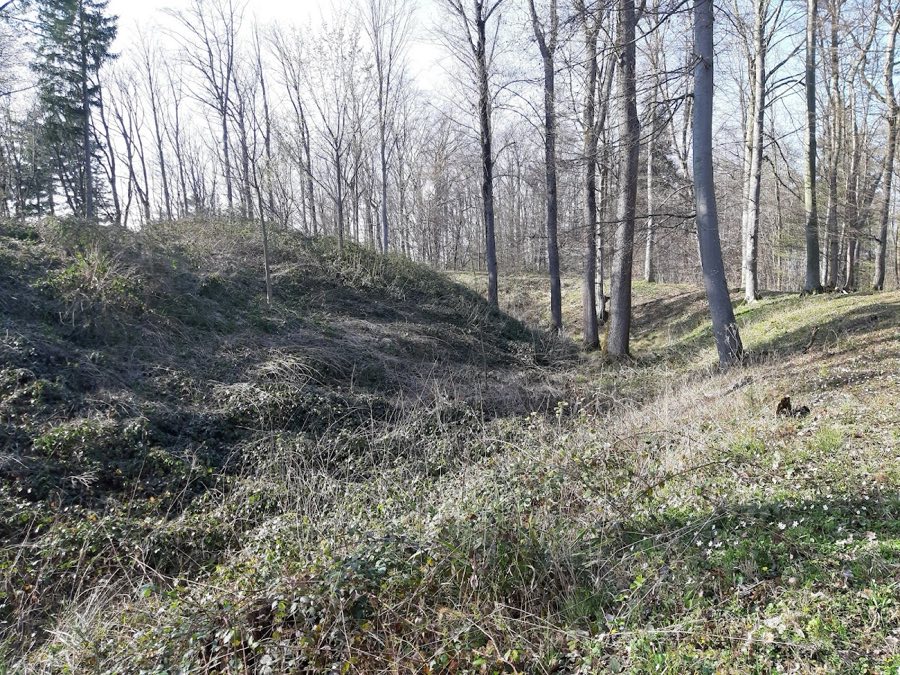
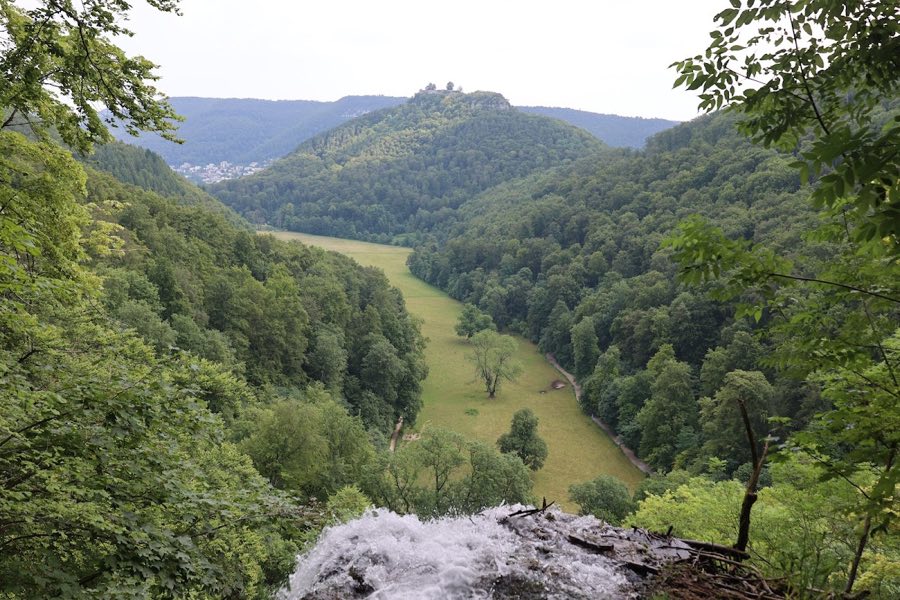
The castle occupies a narrow hill crest that drops steeply to the west and southwest. What survives are earthwork elements that mark the former fortress rather than built walls. At the center there is a roughly circular raised mound measuring about 30 to 40 metres across. This central mound is encircled by a pronounced ditch cut into the slope and an outer bank or rampart that stands up to around 1.5 metres above the surrounding terrain. The ditch reaches depths of up to four metres in places. These features represent the visible layout of the medieval hilltop stronghold and are formed primarily from piled and excavated earth.
A flattened area on the summit constitutes the castle plateau and carries an information board installed in 2012. In 2020 non-invasive geophysical surveying was carried out across the site as part of a research project with the University of Tübingen and the Göppingen county archaeology office, aimed at investigating subsurface remains connected with the earthwork complex. Today the defensive mound, the surrounding ditch, and the rampart remain as terrain traces preserved on the ridge.
No. 65808
No. 42758
No. 60462
No. 27281
Comments
Comments for Burg Zillenhart will require a verified account before posting.
We'll send a verification link before your first comment is published.