No. 63855
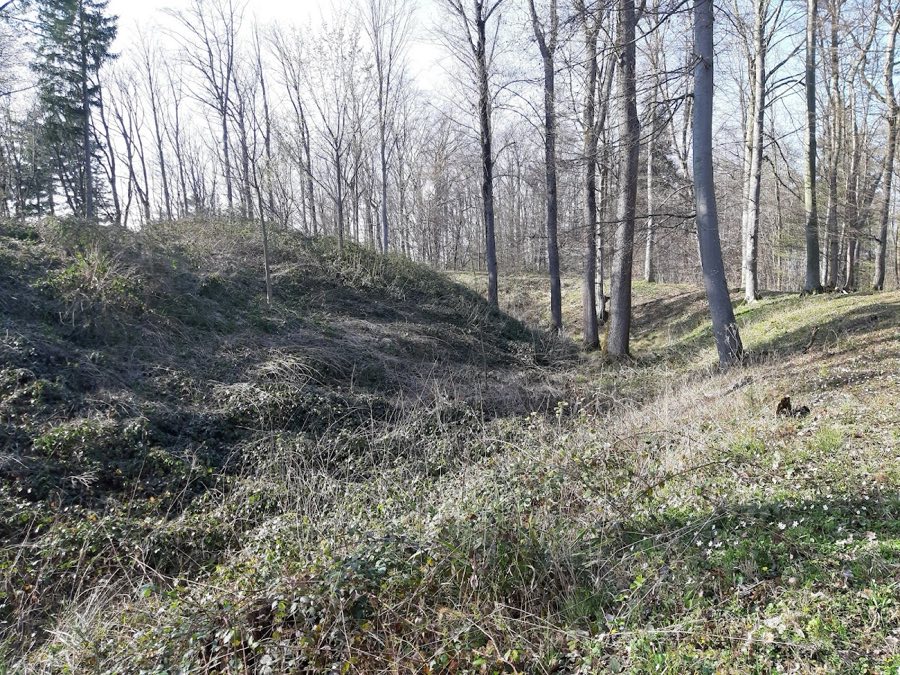
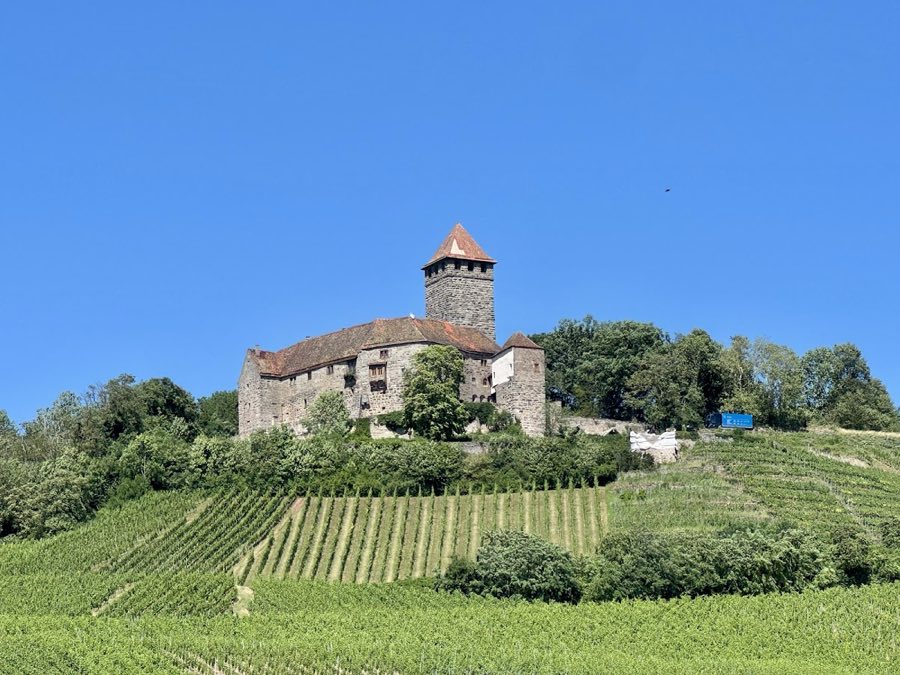
Burg Zillenhart
Germany
CastleRuin13th century
No. 42758
Castle · Germany
No. 42758 · 48.804 N, 9.530 E
Quick summary
Burgschloss Schorndorf is a castle in Germany with origins associated with the 16th century.
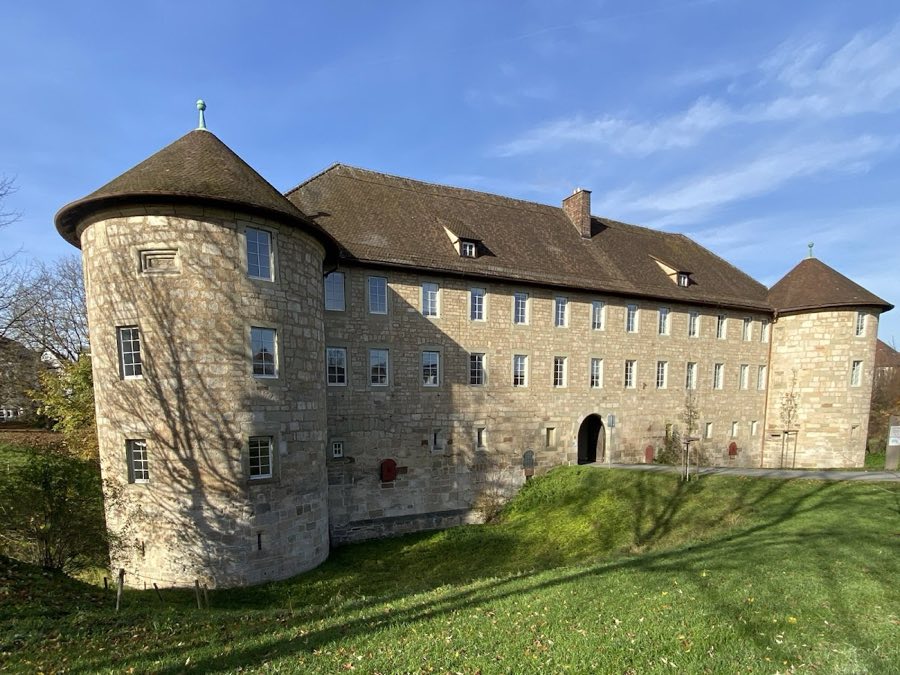
See all castles in GermanyBurgschloss Schorndorf in Schorndorf, Germany, is a Renaissance fortress-palace erected for the Duchy of Württemberg under Duke Ulrich beginning in 1538. Constructed in the mid‑16th century in a straightforward Renaissance manner, the complex was meant to serve as part of the duchy’s defensive network and played a central role in the town’s military and administrative life. Its position at the edge of the old town and its robust form made it a focal point of local defense and governance.
Work began in 1538 on what probably replaced an earlier moated stronghold. From the later 1500s the building functioned together with nearby hill fortresses and the town’s fortified places as a territorial strongpoint, intended to protect the duchy’s holdings. During the 16th century, Schorndorf stood out as the duchy’s most strongly fortified town, and the Burgschloss formed a keystone of the town’s extensive defensive works.
The Burgschloss kept a permanent garrison and contained rooms used by princely visitors or officials, a usage that likely contributed to the compound’s name combining castle and palace. In 1634 a great fire devastated almost the entire town, but the Burgschloss survived that conflagration. In the early 1800s the building was adapted for military needs and served as a barracks from 1801 until 1804. By about 1834 parts of the complex had been converted to a prison and to official apartments. The surrounding moat was partly and then wholly filled in 1837 as part of these changes.
There are differing views about the Burgschloss’s original military role. One argument proposes that the complex began as a citadel whose outer faces had only narrow openings for firearms. An opposing view holds that the inner arrangements left the building too exposed for a true fortress and notes that a fortress map from 1730 does not show the Burgschloss as part of the defensive system. In the late 20th century the moat was re-excavated, revealing the base of the ground‑level storey, and the building now houses several civic authorities, including the Schorndorf district court.
The complex presents a trapezoidal, four‑wing plan with a round tower at each corner, forming a compact defensive rectangle. The exterior reflects the simple Renaissance character of its construction, with sturdy masonry walls and prominent corner towers that define the building’s silhouette. A small rectangular inner courtyard lies at the heart of the plan; its courtyard-facing elevations are executed in half‑timber framing, a timber-and-plaster method that provides a contrasting texture to the stone outer walls.
Decorative and identifying elements survive on the façades. Carved inscriptions and elaborately worked coats of arms appear on the corner towers and above both entrances that lead into the courtyard. Over the main entrance there survives a cast oriel, an oriel being a projecting bay window that extends from the wall and was produced by casting techniques. These features combine functional entrance sequence with heraldic display and display continuity with the Renaissance style.
The moat that once encircled the fortress leaves a visible history in the ground levels around the building. The moat was filled during the 19th century but was excavated again in 1976, which exposed the plinth and the ground‑floor base of the structure and clarified the building’s relationship to its former defensive ditch. Nineteenth‑century alterations are evident in the fabric where interior spaces were adapted for use as a barracks, then later a prison and official apartments; these phases altered room layouts and fittings but left the main massing and towers intact.
The Burgschloss sits at the southeastern edge of Schorndorf’s old town within a green area known as the Schlosspark and faces the nearby hunting lodge. To the west lies the Archivplatz, with the former hospital and city archive close by, while to the southeast the Feuersee and the Holy Spirit Church form part of the immediate townscape. The building’s present use by municipal authorities, including the district court, continues the long sequence of administrative and military functions that its fabric displays.
No. 63855
No. 27187
No. 65808
No. 98198
Comments
Comments for Burgschloss Schorndorf will require a verified account before posting.
We'll send a verification link before your first comment is published.