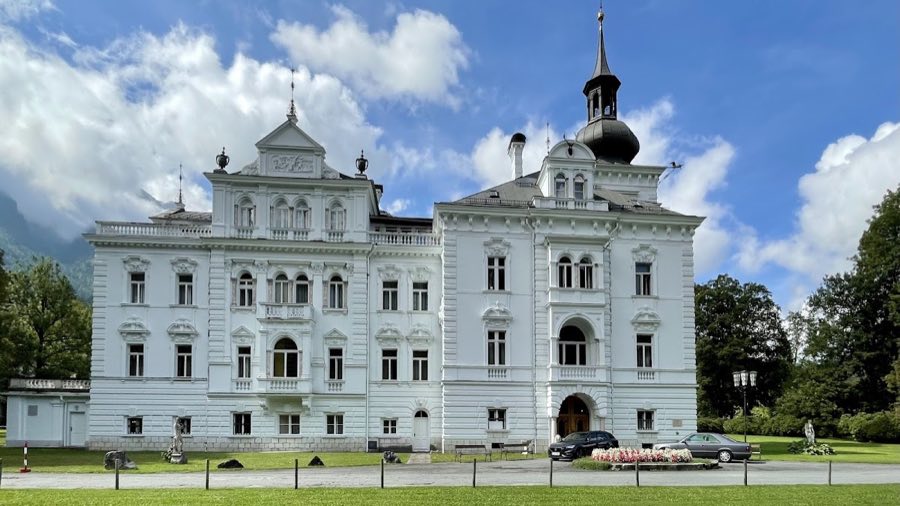
No. 72685
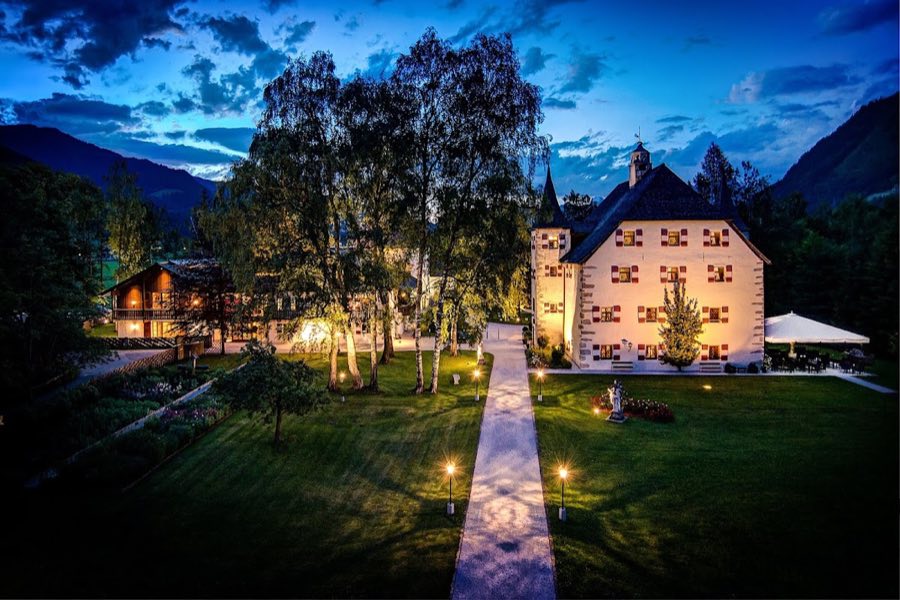
Schloss Grubhof
Austria
Manor houseRestoredFor rent14th century
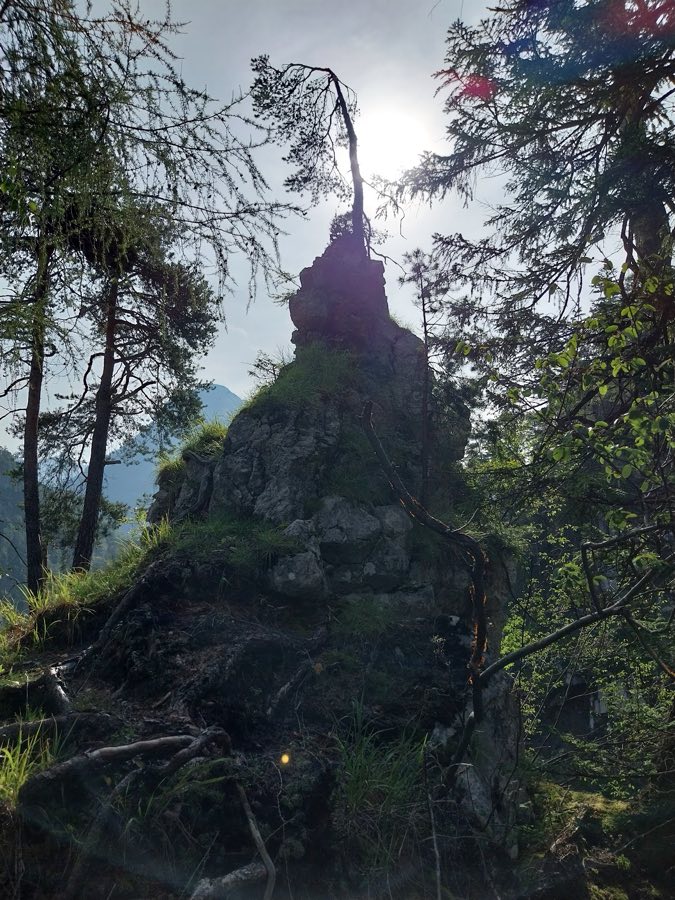
No. 35359
Castle · Austria
No. 35359 · 47.526 N, 12.736 E
Quick summary
Burgruine Saalegg is a castle in Austria with origins associated with the 12th century.
See all castles in AustriaBurgruine Saalegg stands above St. Martin bei Lofer in Austria and was established by medieval local nobility.
The site first appears in written records from the middle of the 12th century, when a person called Engilpreth de Sale is associated with a foundation there. Later medieval names connected to the place include Dietricus de Salek in the late 1100s, Perhtold de Salecke in 1197, and Perhtold together with his son Pilgrim of Waidring around 1215. The family who held the place acted as vassals to the Counts of Plain.
During the 13th century the castle’s ownership changed through sale and gift. In the second half of that century Pilgrim transferred a farm to the monastery of Berchtesgaden. After his heirs sold Saalegg, Albero and Otto von Walchen became owners, but a dispute recorded in 1280 led Albero to renounce his rights in both Saalegg and nearby Waidring. In 1297 Otto’s daughter Elspet married Ulrich von Frentsberg and formally gave up claim to her paternal lands, which were then taken into possession by the Archbishopric of Salzburg. The archbishopric granted Saalegg to Konrad von Ramseiden, who is recorded as the castle’s burgrave in documents from 1326 and 1330.
A castellan named Nycolaus auf Saalegg later paid dues to the archbishopric for both a house and the castle fief. Around the year 1400 the property appears in a rent register together with the farm known as Grundt, under the ownership of Martin Gruttner. In 1606 the same farm, now recorded as Bauerngut Grundt (today Heitzmann), paid a sum linked to what is called the little Saalegg castle, because that farmer held certain rights below the castle courtyard.
Local tradition ties the ruin to the nearby Lamprechtsofen cave, and stories of buried treasure drew attention to both places. A commission convened on 17 April 1701 to investigate these claims and reported finding only a few “eye-stones,” dismissing the treasure tale. During the 18th century fourteen skeletons found in the cave were marked with black crosses. Systematic exploration of the cave began under Anton von Posselt-Czorich in 1878. Over time the ruin has been referred to by several names, including Saaleck and, in popular use, Heiden- or Lambrechtsschloss.
Saalegg is a rock castle set on a steep ridge above the valley, laid out on a roughly triangular plan about 20 metres long with the base on the east measuring about 10 metres. The principal structure was a rectangular tower roughly 7.5 by 9.5 metres, dating to the medieval period indicated by the documentary record. The surviving plan of the site has been reported.
The most substantial ruin is a tower wall built from coursed rubble masonry, with each layer matched to dressed limestone corner stones. A section of this wall about seven metres long survives, and a further portion of the east side rises to about eight metres in height. The wall measures about 80 centimetres in thickness. In the centre of the surviving face a narrow light slit remains, approximately 40 centimetres high, indicating an opening for light or observation. These masonry features are in situ and fragmentary.
A small plateau at the northeast corner of the rock, measuring about four by three metres, provided an approach onto the rock and is fitted with a ladder that gives access into the castle area. A water channel is also present on the site, reflecting medieval measures to manage water. Additional short wall fragments are dispersed around the rock. Today the ruin is reached only by climbing the rock ridge, and contemporary access to the exposed remains often involves ropes attached to roots and trees. A measured plan of the castle is said to exist.
No. 72685
No. 51823
No. 91307
No. 88859
Comments
Comments for Burgruine Saalegg will require a verified account before posting.
We'll send a verification link before your first comment is published.