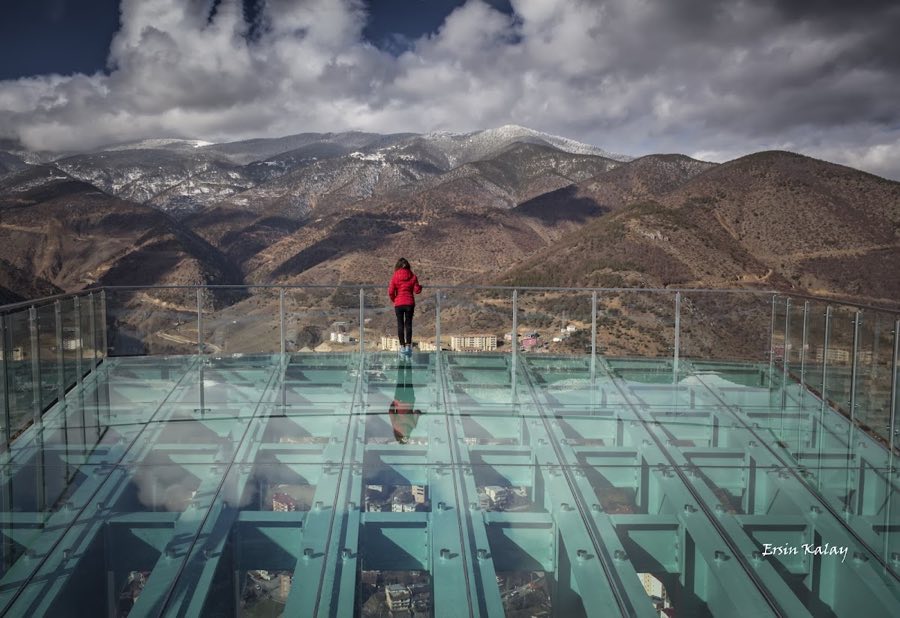
No. 44355
Torul Castle, Torul
Torul, Turkey
CastleRuin15th century
No. 99946
No. 99946 · 40.470 N, 39.453 E
Quick summary
Canca Castle is a castle in Turkey with origins associated with the 21th century.
See all castles in TurkeyCanca Castle stands in Canca, Gümüşhane municipality, Turkey, and was built in the Early Middle Ages by the Tzan people under Byzantine authority.
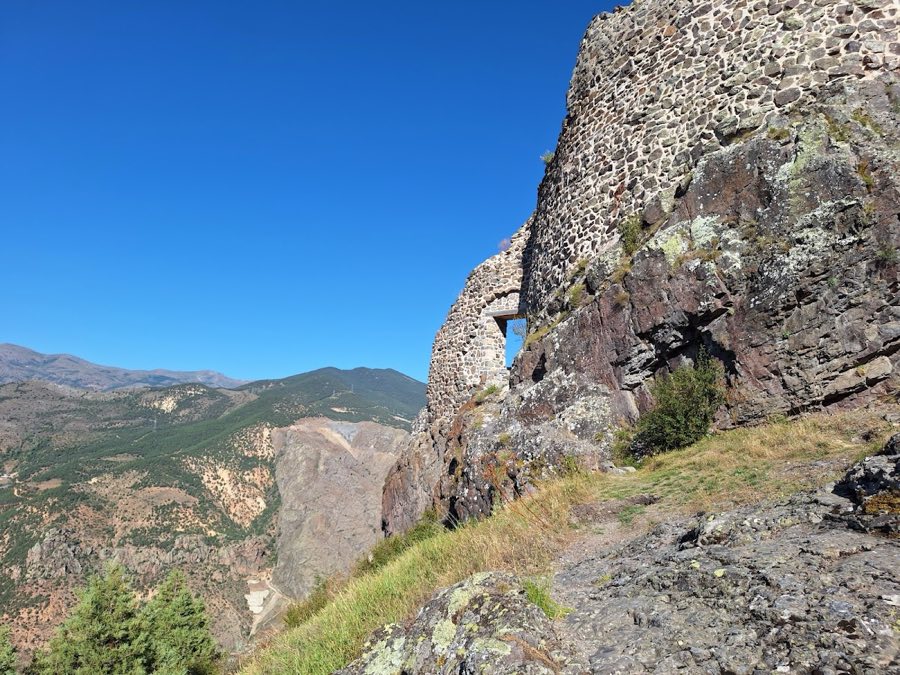
The fortification dates to the Early Middle Ages, when the local Tzan community lived under the rule of Emperor Justinian I of the Byzantine Empire. The site later became known in some records as Tzaniha Castle, a name reflecting the Tzan connection. Contemporary descriptions place the castle on a high rocky outcrop, a setting that shaped its role and visibility in the surrounding landscape.
A later narrative recorded by the traveller Evliya Çelebi names a figure called Philikos, associated with an individual named Alexander, who discovered silver deposits in the area. That discovery is said to have prompted repair work at the fortress and to have increased the settlement’s importance. Written references also identify a tower on the castle’s north side as serving as a chapel, and wall paintings within the enclosure are interpreted as portrayals of Christian saints, indicating a period of Christian religious use or association.
In recent times the site has been the subject of conservation planning: a restoration tender was issued in 2018 with an allocation of 1.8 million Turkish lira for repair work and preservation measures.
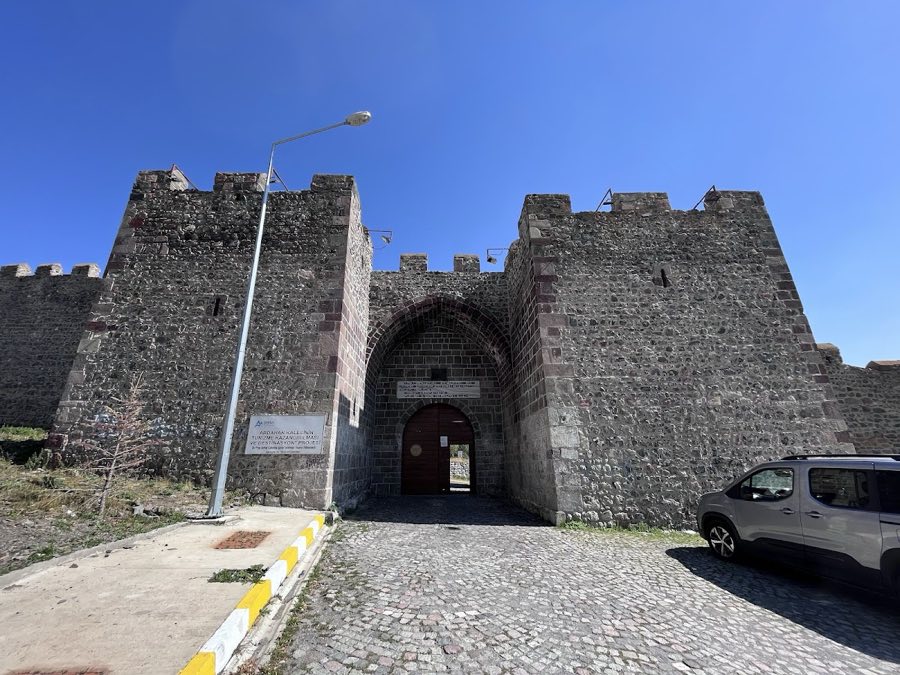
The castle occupies a rocky ledge and follows a partly rounded plan, its masonry largely built from rubble stone. The enclosure runs along an east–west axis with the main access facing west, and the fortification is divided into three linked sections. Defensive towers or bastions punctuate the perimeter, and surviving curtain walls have been measured at about 1.5 metres in thickness, attesting to the structure’s original defensive intent and the solidity of its construction.
Inside the outer works, a cistern measuring 4.1 by 4.1 metres remains intact, set within the inner area and clearly visible in situ. An internal doorway gives passage into the castle’s eastern compartment, and the north side of that eastern sector preserves a raised tower that is identified in written records as a chapel. Painted imagery survives on sections of the interior masonry; these frescoes are interpreted as depicting Christian saints, linking parts of the site to devotional use.
Excavations and surface recovery have produced roughly five hundred objects from the castle precincts. The assemblage includes implements and munitions relating to projectile weapons, numerous pottery sherds, pipes, coins, fragments of amphorae and large storage jars, small spherical balls, and four distinct tandoor-style ovens. These finds reflect a long sequence of activity within the enclosure and provide a material record of the castle’s domestic and defensive functions.
No. 44355
No. 39111
No. 39485
No. 39829
Comments
Comments for Canca Castle will require a verified account before posting.
We'll send a verification link before your first comment is published.