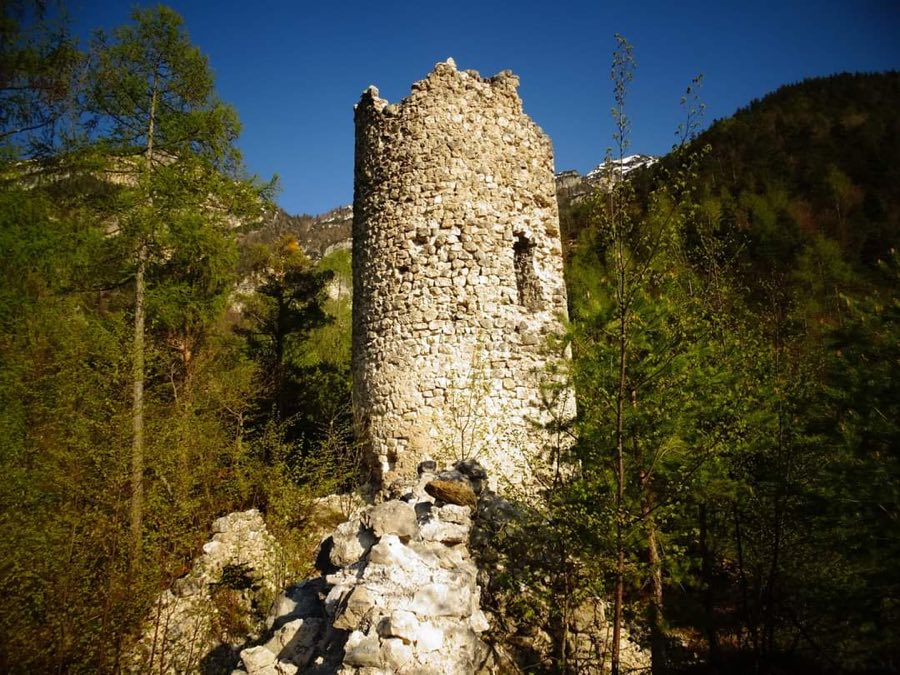
No. 10884
Castel San Pietro (Ton)
Italy
CastleRuin14th century

No. 58382
Palace · Italy
No. 58382 · 46.316 N, 11.043 E
Quick summary
Castel Nanno is a palace in Italy with origins associated with the 14th century.
See all castles in ItalyCastel Nanno is located in the village of Nanno, within the municipality of Ville d’Anaunia in Italy. The castle was originally constructed in the medieval period by local nobility, serving as a fortified residence in this Alpine region.
The first known record of Castel Nanno dates to 1264, when it was identified as the ancestral home of the Denno-Nanno family. This family belonged to the ministeriales, a class of unfree knights who served the Counts of Eppan and later the Prince-Bishops of Trento. In 1274, historical documents mention Rompertus de Enno’s sons, Nikolaus and Zordanus, as holders of the castle, indicating the estate’s early importance within the regional feudal hierarchy.
During the following centuries, the castle saw a series of ownership changes caused by feudal conflicts and shifting alliances. In the late 14th century, the Spaur family controlled Castel Nanno for a time, but a 1420 ruling by the Bishop of Trento returned it to the Nanno lineage, reaffirming the bishopric’s influence over local estates. This demonstrates the intertwining of noble and ecclesiastical power that characterized the region.
A significant shift occurred in 1447 when Riprand of the Nanno family acquired the nearby fief of Castel Madruzzo and took the surname Madruzzo. This move established a new noble house tied closely to Castel Nanno and set the stage for the castle’s Renaissance transformation in the 16th century.
Between 1520 and 1530, Giovanni Gaudenzio Madruzzo commissioned a substantial reconstruction of the castle in the Renaissance style. This renovation reflected contemporary tastes and provided a comfortable summer residence for his son, Cristoforo Madruzzo, who later became Prince-Bishop of Trento. The castle thus became connected to influential religious and political figures during this period.
In 1610, Castel Nanno was the site of a witch trial resulting in the condemnation and execution of three women by burning. This tragic event highlights the social tensions and judicial practices of early modern Europe. Ownership remained with members of the Madruzzo family until the extinction of their male line in 1661, after which the castle returned to the control of the Prince-Bishopric of Trento.
The late 19th century brought restoration efforts by Carlo Ritter von Giuliani, a noted librarian and museum director from Trento, who undertook repairs to preserve the site. Today, Castel Nanno remains in private hands, bearing the traces of its layered history from medieval fortress to Renaissance residence.
Castel Nanno presents as a residence remodeled during the Renaissance period, encircled by a quadrangular defensive wall that includes four corner towers. This layout suggests both the need for protection and the desire for a stately family home integrating military and domestic functions.
Central to the castle’s structure is the original medieval keep, or mastio, which was incorporated into the later Renaissance residence. Although this central tower suffered a partial collapse in 1873, archaeological and architectural studies confirm its role as the original stronghold around which subsequent buildings were constructed. The keep would have been composed of thick stone walls, built for defense during the castle’s earliest period.
The Renaissance renovations introduced a new residential building erected around the medieval tower, reflecting architectural trends of the early 16th century. The combination of these elements resulted in a composite structure that merges fortress and palace-like features, a common practice for noble residences of that era.
While no detailed measurements or decorative features have been recorded in the available sources, photographic evidence documents both exterior and interior views of the castle. These show the preservation of significant architectural components, despite the partial ruin of the keep. The defensive wall and the corner towers remain prominent elements framing the residence, testifying to its strategic design.
Castel Nanno’s position within the village of Nanno further emphasizes its role not only as a private noble estate but also as a local landmark bearing traces of multiple historical phases, from medieval origins through Renaissance redevelopment and modern conservation efforts.
No. 10884
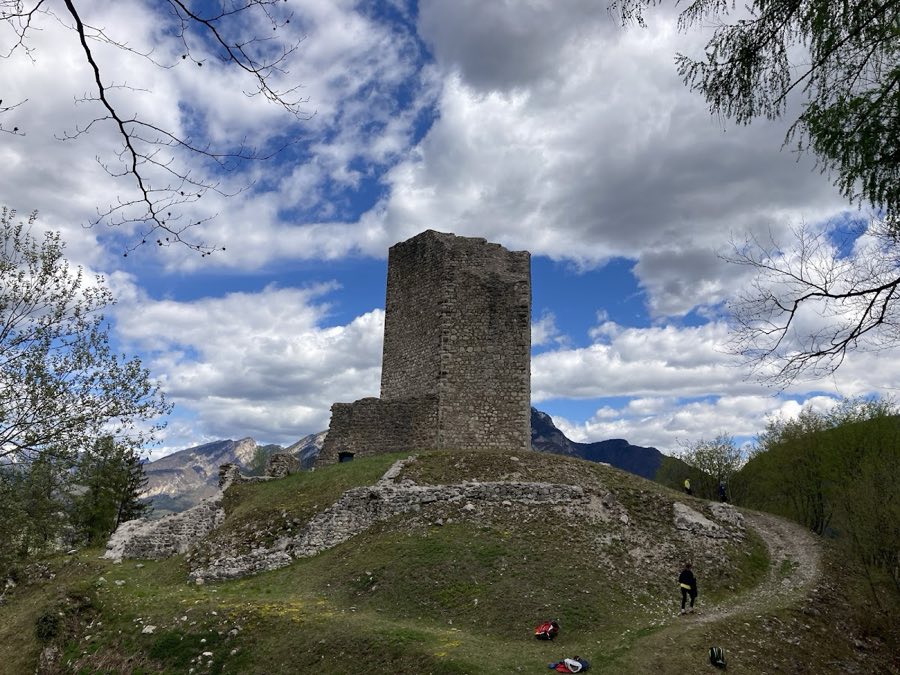
No. 23741
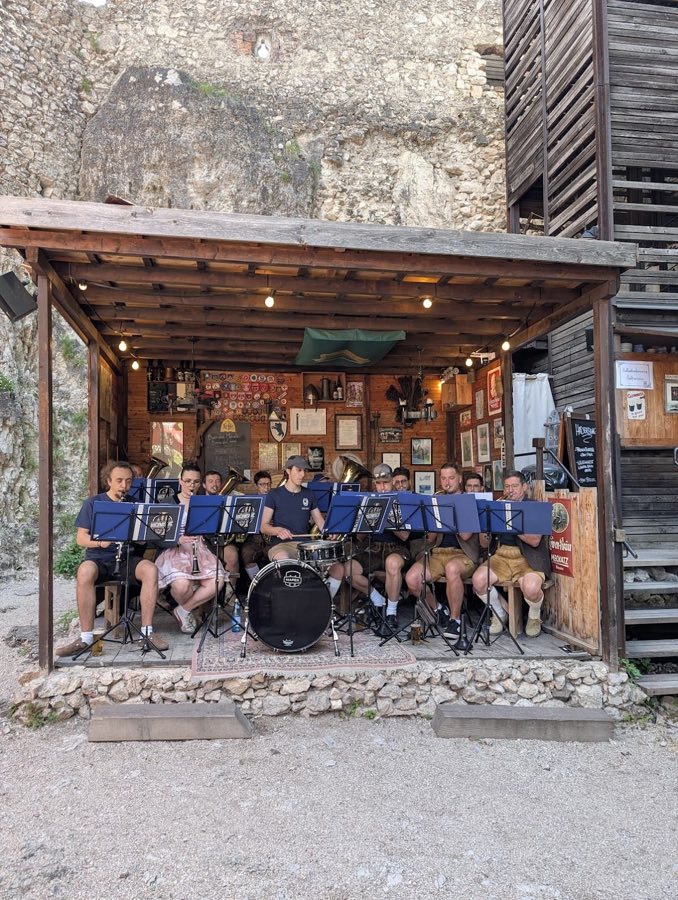
No. 90209
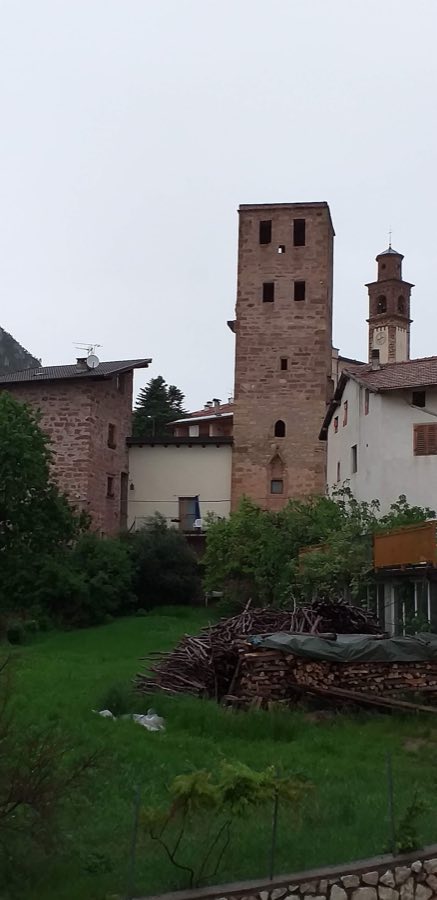
No. 72862
Comments
Comments for Castel Nanno will require a verified account before posting.
We'll send a verification link before your first comment is published.