No. 46194
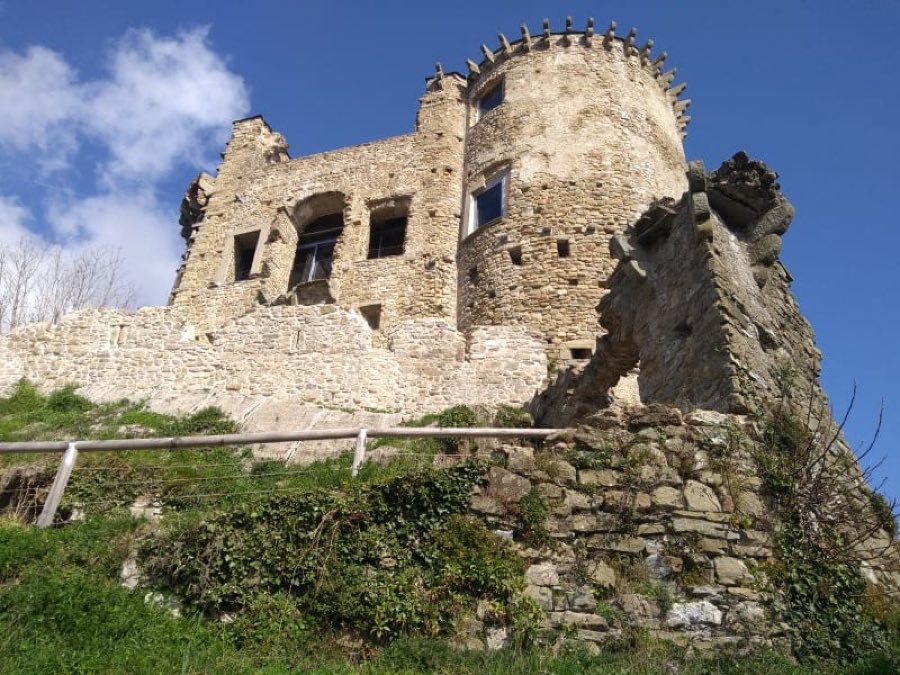
Castello di Lusuolo
Italy
CastleRuin12th century
No. 51483
No. 51483 · 44.265 N, 10.048 E
Quick summary
Castello di Bastia is a castle in Italy with origins associated with the 13th century.
See all castles in ItalyCastello di Bastia stands in the municipality of Bastia in Italy and dates to the medieval period, with its origins in the 13th century.
In the late 13th and early 14th centuries the site entered the orbit of regional feudal politics when Francesco d’Olivola included Bastia among obligations to the Malaspina marquises of Villafranca in 1294 and again in 1307. In 1416 forces from Genoa occupied the castle in retaliation for the murder of the Genoese provost of La Spezia, Oderico Biassa. Control returned to the Malaspina by 1423.
Between 1424 and 1428 the fortress held a Florentine garrison during the war between the commune of Florence and Duke Filippo Maria Visconti of Milan. The Florentines used Bastia to block possible Milanese movements through the Apennines. Over the following decades the castle acquired features associated with the Renaissance, with modifications dated to the 15th century.
During the 1500s Bastia became part of the marquisate of Monti under Giovanni Spinetta. The spread of firearms and these political changes are recorded as driving structural refortification that helped give the site its reputation as an “unassailable castle.” When Giovanni Spinetta died in 1535 the castle was divided among his sons and became an independent fief under Fioramonte II; that line continued to hold the place until 1783.
The first half of the 17th century was marked by violent internal disorder under Nestore, brother of Marquis Carlo. Sources record crimes and popular uprisings, an intervention by the Grand Duke of Tuscany to restore order, continuing unrest, and the eventual killing of Nestore by rebels. In the later period the last marchioness, Annetta Malaspina, married Giovanni Malaspina of Mulazzo. She was celebrated in verse by Vincenzo Monti and Innocenzo Frugoni, and under the influence of the Jesuit Bettinelli she travelled to the French court in an attempt to secure influence with King Louis XV; that effort did not succeed and she returned with a small French pension. Renovations at an uncertain date altered the central keep so that its probable medieval features are now difficult to recognise. The castle remains in private ownership today.
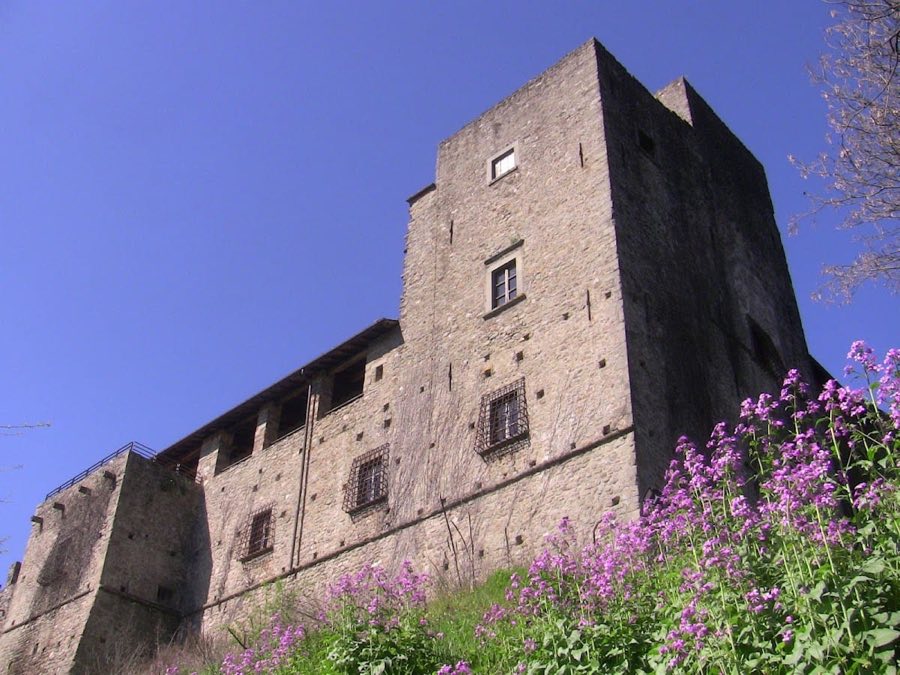
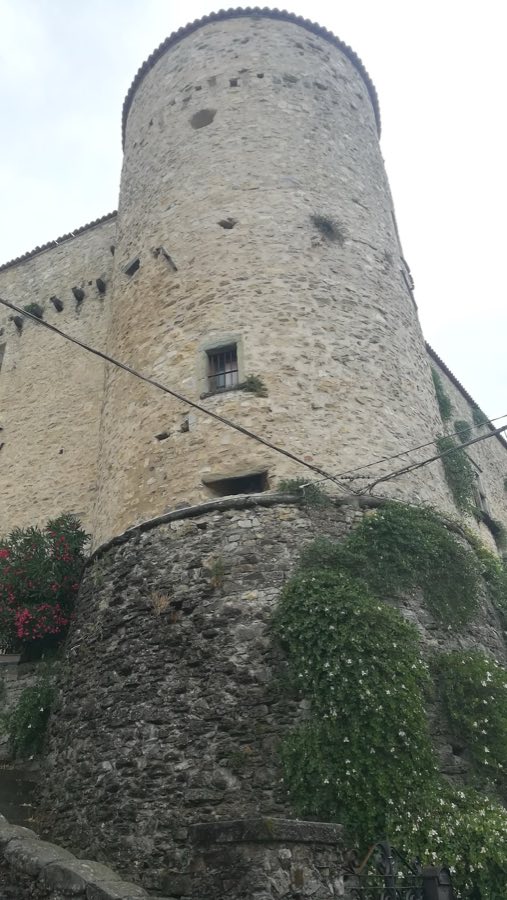
The fort occupies a hill in the Taverone valley where it commands the route to the Lagastrello pass, the divide between Lunigiana and Emilia. The overall plan is trapezoidal and the defensive envelope is arranged so that each corner is strengthened by a cylindrical tower. Those four towers are linked by a continuous curtain wall which incorporates a raised protected walkway, known as a chemin de ronde, allowing movement around the perimeter.
Within the outer walls stands a central keep, or main tower, whose original medieval fabric is now hard to read because of later remodelling. The keep sits enclosed by the curtain and historically served as the castle’s inner strongpoint; subsequent interventions modified its appearance and obscured clear evidence of its earliest form.
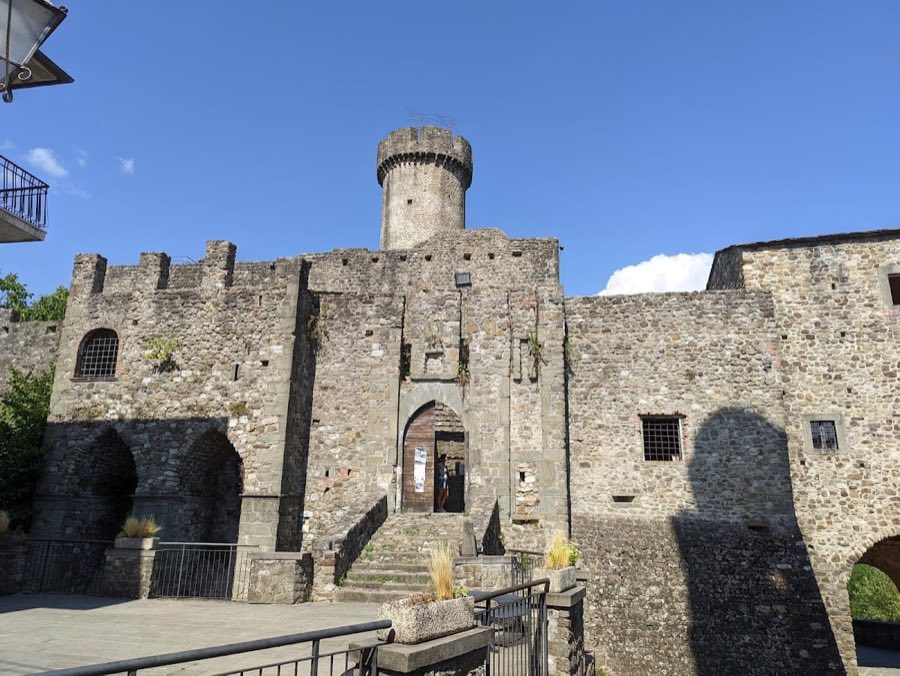
The curtain wall and corner towers display characteristics attributed to later rebuilding and to Renaissance-period alterations dated to the 15th century. The raised walkway along the curtain has been connected to a construction phase that postdates the medieval core, indicating reuse and adaptation of the defences as artillery and military needs changed.
Today the ensemble survives in good condition and is described as well preserved. The site’s long history of refortification and its powerful massing underlie the historical reputation of the place as difficult to take by force. The structures remain in private hands.
No. 46194
No. 82753
No. 92102
No. 21507
Comments
Comments for Castello di Bastia will require a verified account before posting.
We'll send a verification link before your first comment is published.