No. 12673
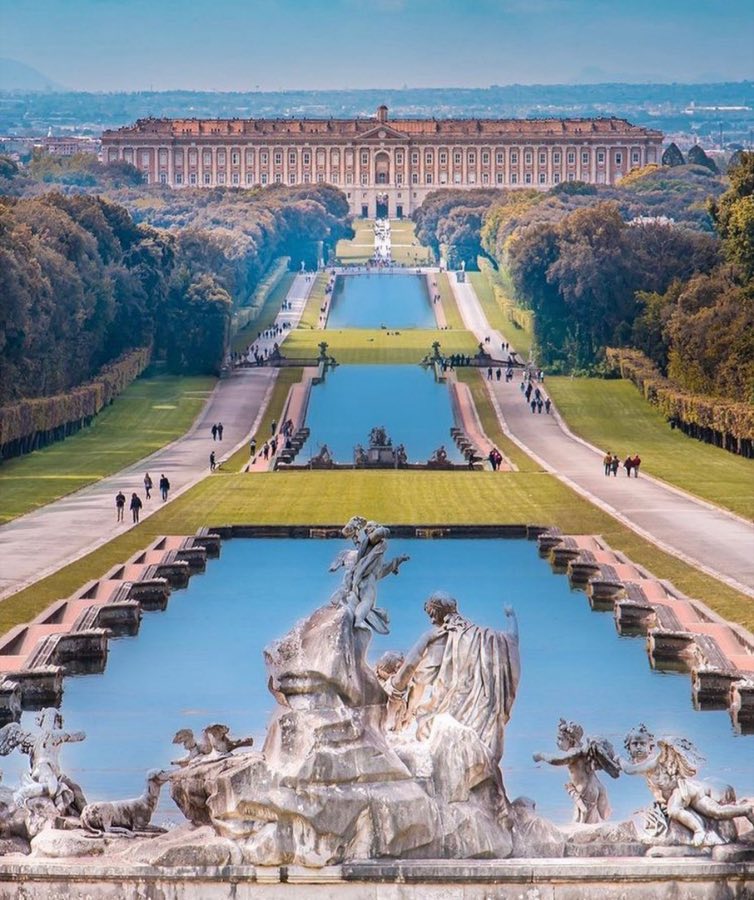
Palace of Caserta
Italy
PalaceRuinFor events18th century
No. 44433
Castle · Italy
No. 44433 · 41.097 N, 14.369 E
Quick summary
Castello di Casertavecchia is a castle in Italy with origins associated with the 12th century.
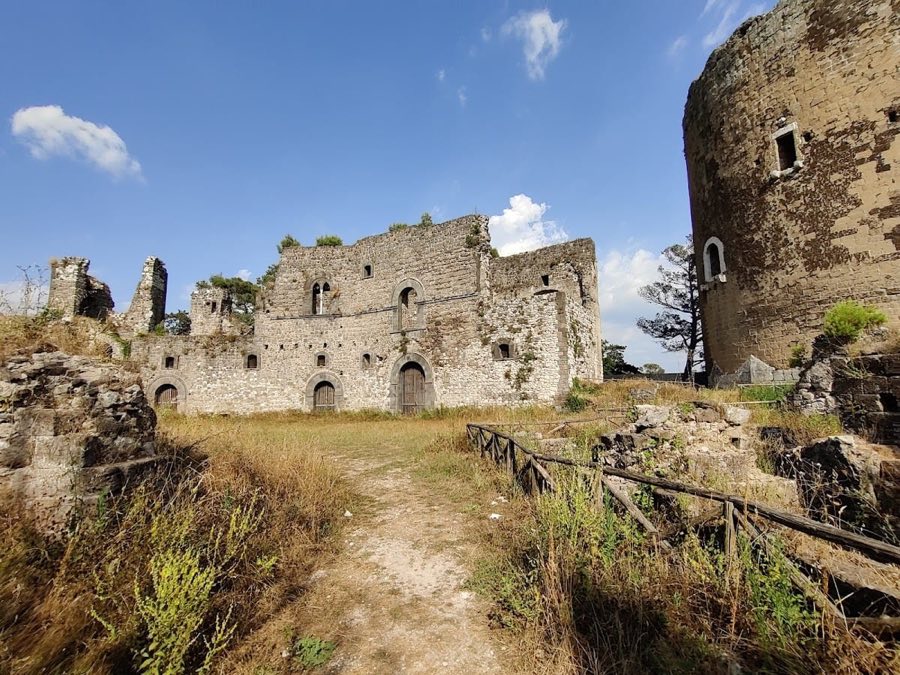
See all castles in ItalyThe remains of Castello di Casertavecchia form an irregular hexagonal enclosure built primarily of masonry walls. These curtain walls, which served as defensive barriers, are reinforced at intervals with towers of varying designs, some fully enclosed and others open. Scholarly debates note differing counts of these towers—ranging from four to six—while a historic description from 1528 mentions as many as ten.
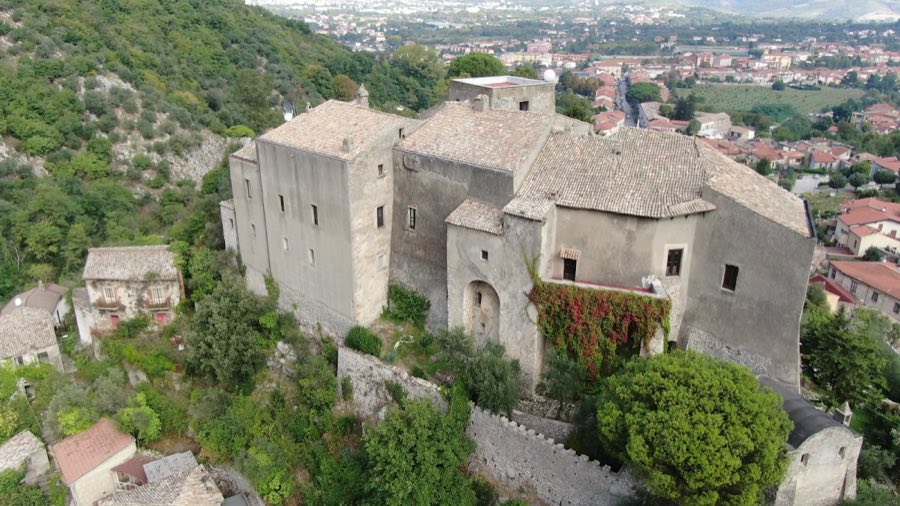
On the northeast side sits the residential palace, integrated into the castle’s perimeter walls. Adjacent to it on the southeast stands a prominent polygonal tower with sixteen sides. This large tower supports a cylindrical upper structure known as the keep, or bergfried, which functioned as a final refuge during defense. It occupies a steep hillside just outside the main enclosure yet lies near both the palace and the surrounding curtain wall facing the settlement.
The keep is composed of three enclosed vaulted floors capped by a rooftop terrace. The lowest level operated as a cistern, collecting and storing water, though it is no longer accessible. Entry to the first floor was originally through a door-window connected to the count’s palace by a now-lost wooden passage, likely a drawbridge design allowing controlled access. Similar structural connections linked the upper rooms of the castle’s bathhouse (balneum) to the keep.
Stone staircases set within the thickness of the walls provided vertical circulation between the floors and to the terrace. Excavations have uncovered remains of two rooms situated in a wing projecting from the keep toward the settlement area; these have been identified as a stove and a bath, suggesting facilities for heating and bathing within the complex.
The castle chapel dedicated to San Giovanni, documented since 1300, was a feature in this fortress—as well as nearby castles at Maddaloni and Montefusco—highlighting a common religious dedication in the region’s fortifications.
The restoration work in the 1980s succeeded in making parts of the ruins accessible again. It involved clearing the internal courtyard of debris, reconstructing the count’s palace facade, and installing concealed iron beam floors beneath cross vaults. These vaults were constructed of metal mesh and covered with plaster, blending historical material technology with modern conservation techniques.
Together, these remnants illustrate the castle’s defensive architecture, residential functions, and religious elements, all preserved amid the ruins and partial reconstructions visible today.
No. 12673
No. 27610
No. 97049
No. 99261
Comments
Comments for Castello di Casertavecchia will require a verified account before posting.
We'll send a verification link before your first comment is published.