No. 51126
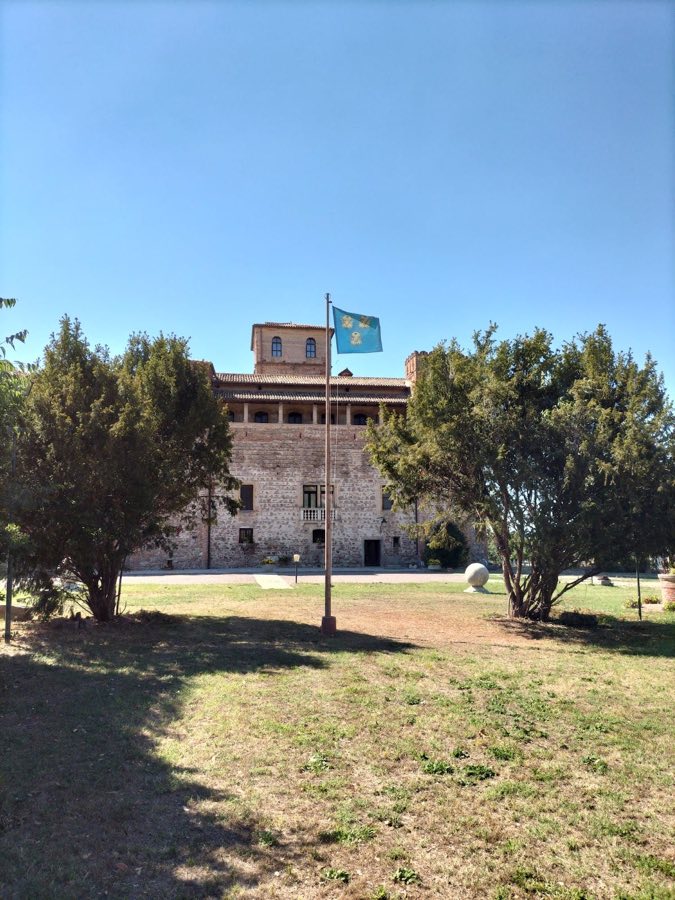
Valbona Castle
Italy
CastleRestored13th century
No. 16299
Castle · Italy
No. 16299 · 45.286 N, 11.497 E
Quick summary
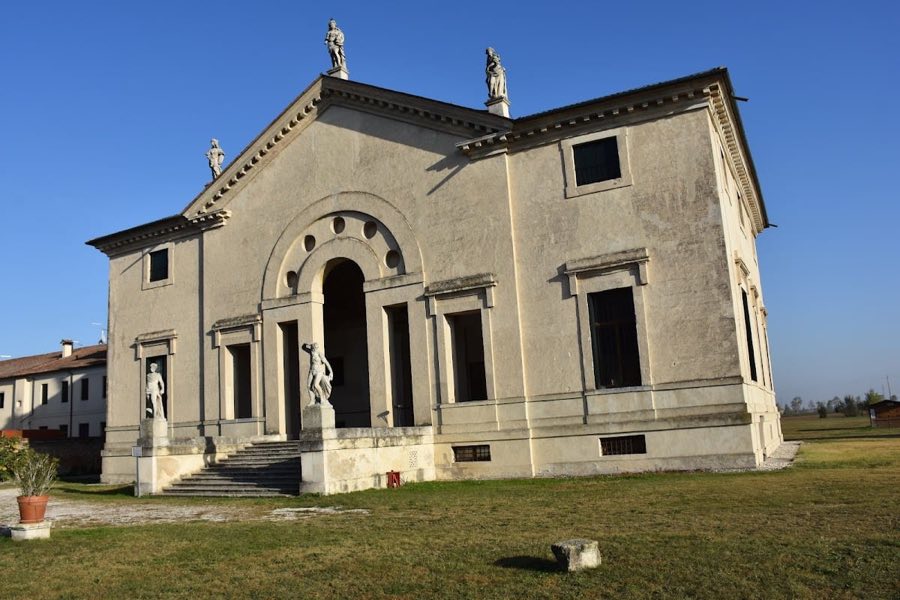
Castello di Pojana Maggiore is a castle in Italy with origins associated with the 13th century.
See all castles in ItalyThe Castello di Pojana Maggiore is located in the municipality of Pojana Maggiore in Italy. It was originally constructed by the bishops of Vicenza around the year 1000, serving as a fortification during a period marked by intense struggles between the Holy Roman Emperors and the Papacy in Italy.
This early medieval fortress was part of a larger system of defensive structures, including walls and a surrounding moat that also enclosed the adjacent village. These defenses were designed to protect against barbarian invasions and the frequent warfare that characterized the region during that era.
Over the centuries, control of the castle and its fiefdom shifted among several powers. In 1187, it was under the Maltraversi family from Padua; by 1210, the Comune of Vicenza held it, followed by the Vicenza Curia in 1221. Later, the noble Pelli family took possession. Contrary to some beliefs, Ezzelino III da Romano did not destroy the castle when he took control of Pojana and the castle in 1240 but instead installed a podestà, or governor, to manage the area.
The castle suffered destruction in March 1312 during military conflicts between Veronese and Paduan forces led by Albertino Mussato. Following this event, the fortress was rebuilt in the latter half of the 13th century, likely under Perozzo Paltinieri, a noble who became count of Pojana. This reconstruction marked a notable transformation: the castle shifted from a purely military stronghold to a noble residence that included a small church dedicated to San Zeno.
Subsequent regional struggles brought the castle under the control of the Scaligeri and later the Carraresi families. The final devastation occurred during the 1312 siege by the Paduan army, resulting in the castle’s burning and destruction, after which it was rebuilt with renewed fortifications and residential enhancements.
By the mid-16th century, the castle’s importance declined. In 1545, Bonifacio Pojana commissioned the famous architect Andrea Palladio to build a villa nearby, completed by 1563. The family relocated to this new residence, gradually abandoning the castle. During the 17th century, ownership passed to the Miniscalchi counts of Verona, who left the deteriorating castle under the care of a steward, marking its transition into ruin and loss of function.
The original Castello di Pojana Maggiore featured a square layout, typical of medieval fortifications, with four robust towers positioned at each corner. Its design closely resembled the surviving towers of Montagnana, highlighting the regional architectural style. The main keep, or mastio, was situated on the eastern side and served as the principal stronghold of the castle. Access to the interior was controlled through this keep, which had a single entrance reached by a drawbridge, underscoring its defensive purpose.
The castle’s walls, accompanied by a moat, encircled not only the fortress itself but also the village it was meant to protect. This moat and wall complex formed a comprehensive defensive barrier against external threats.
After the destruction in 1312, the castle was reconstructed with renewed fortifications and refined features. The tower was restored and enhanced for aesthetic appeal, differing from the original purely functional military form. Within the courtyard of the rebuilt castle, a new residential palace rose atop the ruins of the earlier structure, indicating the site’s evolution from fortress to noble home. A small church dedicated to San Zeno was integrated into this residence, reflecting the close association between religious devotion and noble life during that period.
Today, the remains of the castle lie near the road connecting Pojana to Montagnana, with at least one tower still standing to the right of the roadway. Some historians have proposed that the nearby Villa Pojana, designed by Palladio in the 16th century, was constructed atop the original castle ruins, although definitive connections remain a matter of scholarly consideration. At present, the castle complex is in a state of decay and has been repurposed as part of an agricultural estate, its former defensive and residential features now largely eroded by time.
No. 51126
No. 93476
No. 68570
No. 64674
Comments
Comments for Castello di Pojana Maggiore will require a verified account before posting.
We'll send a verification link before your first comment is published.