No. 60138
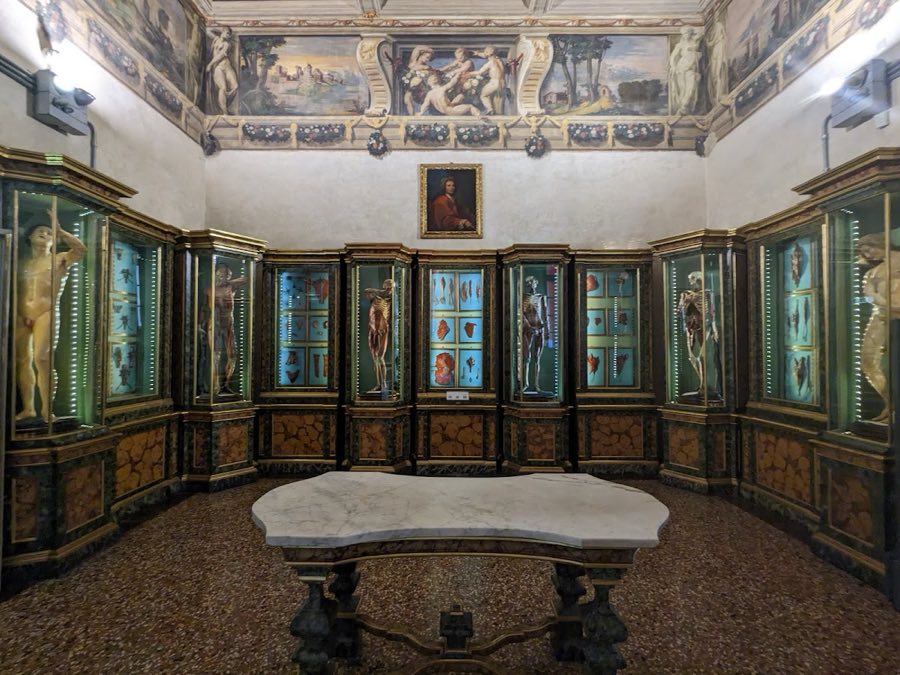
Palazzo Poggi
Italy
PalaceIntact16th century
No. 37029
Palace · Italy
No. 37029 · 44.765 N, 11.485 E
Quick summary
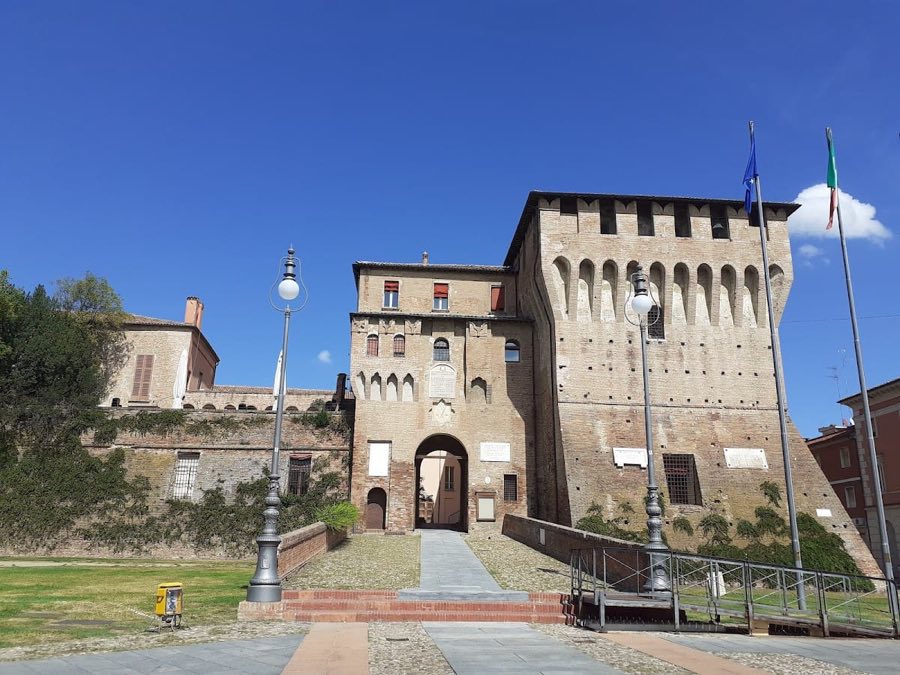
Castello Lambertini, Poggio Renatico is a palace in Poggio Renatico, Italy with origins associated with the 15th century.
See all castles in ItalyCastello Lambertini stands in Poggio Renatico, Italy; the complex began under a medieval Italian hand, erected by the Guastavillani family during the Middle Ages.
By the 15th century the estate passed into the hands of the Lambertini family. In 1475 Egano Lambertini carried out alterations to the complex. Drawings made in 1578 record that the site was originally composed of many separate buildings rather than a single block.
Around the year 1600 the ensemble lost its strictly defensive character and was converted into an aristocratic residence, a transformation that altered its outward appearance from fortress to palace. A major rebuilding took place in 1660; during that period the palace served for a time as the residence of Queen Christina of Sweden.
After the male line of the Lambertini family died out, ownership transferred in 1822 to the local community known as “Poggio et Uniti.” In 1887 engineer Ruggero Carini carried out an extensive restoration that restyled the building in a neo-Gothic fashion, a change that largely obscured the earlier medieval and Renaissance appearance.
For many years the building housed municipal functions, serving as the seat of the Comune di Poggio Renatico and accommodating public services including the town library and a polyclinic. On 20 May 2012 an earthquake struck, destroying the complex’s imposing clock tower and inflicting damage across the structure. A provisional clock assembly was installed in 2013. Post‑seismic reconstruction began in the summer of 2020, including plans to rebuild the fallen clock tower in Corten steel. During those works previously unknown frescoes were uncovered and are to be restored, a discovery that increased projected costs beyond an initial estimate of €6.4 million; completion of the reconstruction was expected in 2023.
The site preserves the footprint of a compound that began as a collection of distinct buildings and was later unified into a single mass. The arrangement of multiple separate structures is recorded in a 1578 drawing by an anonymous hand, and later building phases consolidated those parts into one continuous construction. Subsequent changes in use and style are visible in the surviving fabric, especially where later restorations altered earlier forms.
A prominent clock tower was an integral feature of the castle-palace until it collapsed in the earthquake of 20 May 2012. The tower functioned as a civic timepiece and visual landmark; after its loss a temporary clock mechanism was fitted in 2013. As part of the post‑2020 reconstruction there are plans to rebuild the tower using Corten steel, a modern weathering metal chosen for the new structure.
Painted wall decoration came to light during the recent rebuilding campaign. Previously unknown frescoes were discovered beneath later surfaces and are slated for conservation and display. The uncovering of these wall paintings has affected the reconstruction program and added to restoration costs.
The standing structure today shows traces of many historical layers. The 1887 interventions by Ruggero Carini redefined exterior forms in a neo-Gothic manner, leaving only faint evidence of the medieval and Renaissance phases. Damage from the 2012 earthquake affected the whole building and prompted the ongoing reconstruction work that began in 2020, a program that combines repair, conservation of newly revealed decorations, and the planned remaking of the destroyed tower.
No. 60138
No. 65333
No. 93476
No. 34456
Comments
Comments for Castello Lambertini, Poggio Renatico will require a verified account before posting.
We'll send a verification link before your first comment is published.