No. 61816
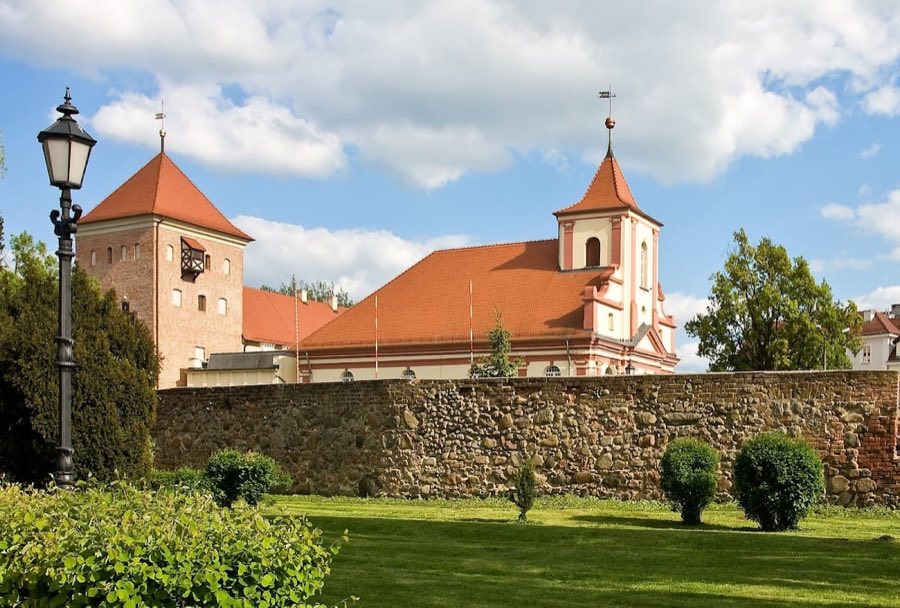
Sulechów Castle
Poland
CastleRestored14th century

No. 99801
No. 99801 · 52.247 N, 15.917 E
Quick summary
Castle in Zbąszyń is a castle in Poland with origins associated with the 18th century.
See all castles in PolandThe Castle in Zbąszyń is located in the municipality of Zbąszyń, Poland, and was constructed by local Polish nobility during the late Renaissance period. Its origins trace back to Abraham of Zbąszyń, who began building the stronghold but passed away shortly after initiating the project. Subsequently, his grandson Abraham Ciświcki inherited the estate and took over the development. He either resumed his grandfather’s project or launched a new architectural plan aiming to create a palazzo in fortezza—a type of fortress designed to combine residential comfort with defensive features.
Despite the ambitious intentions behind its construction, the castle was never fully completed. Over time, it fell into decline, and by the transition between the 17th and 18th centuries, the structure had deteriorated significantly, becoming largely ruined. This state of disrepair made it vulnerable to external forces during the period of regional conflict.
In 1705, amidst the Great Northern War, Swedish forces under King Charles XII moved into the area and encamped near Zbąszyń. These troops looted the town and inflicted heavy damage on the castle itself. An inspection conducted in 1706 described extensive destruction: interiors were devastated, rooms stood empty without stoves, windows, or doors, and iron fittings had been removed. The masonry tower guarding the castle gate had lost its floor, and its sole room was without doors, windows, or heating. Additional key elements such as the chapel, Italian garden, kitchens, stables, and distillery suffered severe harm or had been completely emptied, marking the stronghold’s complete military and residential loss.
The Castle in Zbąszyń was built following the principles of bastion fortifications, a style that features angled earthwork defensive walls and moats designed to resist artillery attacks. Although the comprehensive structure was never completed and later destroyed, surviving elements provide insight into its layout and construction.
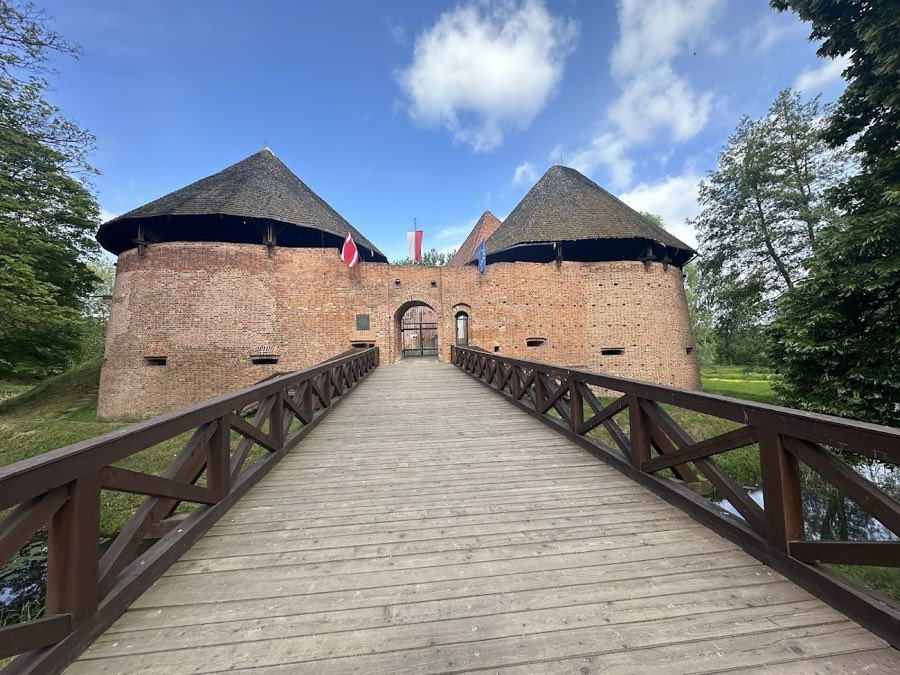
One of the primary remnants is the gate tower, which likely dates back to the initial phase of construction initiated by Abraham of Zbąszyń. This masonry structure served as a controlled entry point to the castle and was built to provide both defense and monitoring of access. Its sturdy construction hints at the importance of securing the main entrance.
Beneath the western bastion lies the powder magazine, a specialized underground chamber used to store gunpowder safely away from open flames or enemy fire. This feature highlights the castle’s role as a fortified stronghold prepared for military action. The magazine’s placement under the bastion would have offered additional protection from attacks.
The earthwork fortifications that remain include bastions guarding the northern bridge, an essential access route into the fortress, and a ravelin positioned on the southeastern edge. A ravelin is a triangular fortification placed outside the main defensive walls to obstruct enemy advances and protect entrances. The presence of these earthworks, along with the moat (a water-filled ditch surrounding the fortress), demonstrates the strategic design aimed at maximizing defense.
Together, these remains outline the castle’s defensive perimeter and reflect the architectural intentions of combining a residential palazzo with military fortifications, despite the construction’s incomplete status and centuries of damage.
No. 61816
No. 42152
No. 70653
No. 95615
Comments
Comments for Castle in Zbąszyń will require a verified account before posting.
We'll send a verification link before your first comment is published.