No. 42152
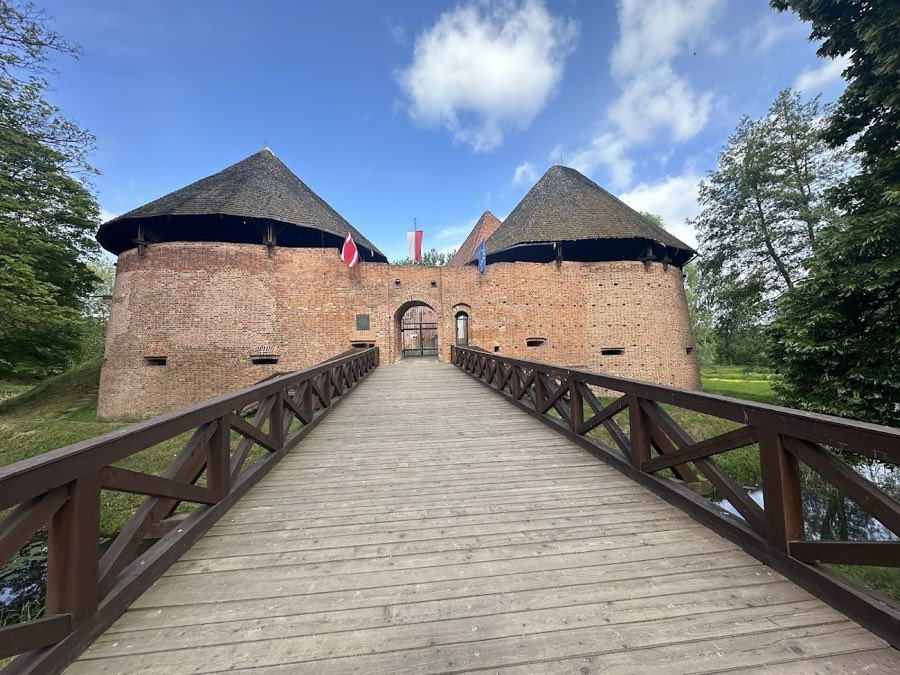
Międzyrzecz Castle
Poland
ChâteauRuin8th century
No. 95615
Castle · Poland
No. 95615 · 52.335 N, 15.293 E
Quick summary
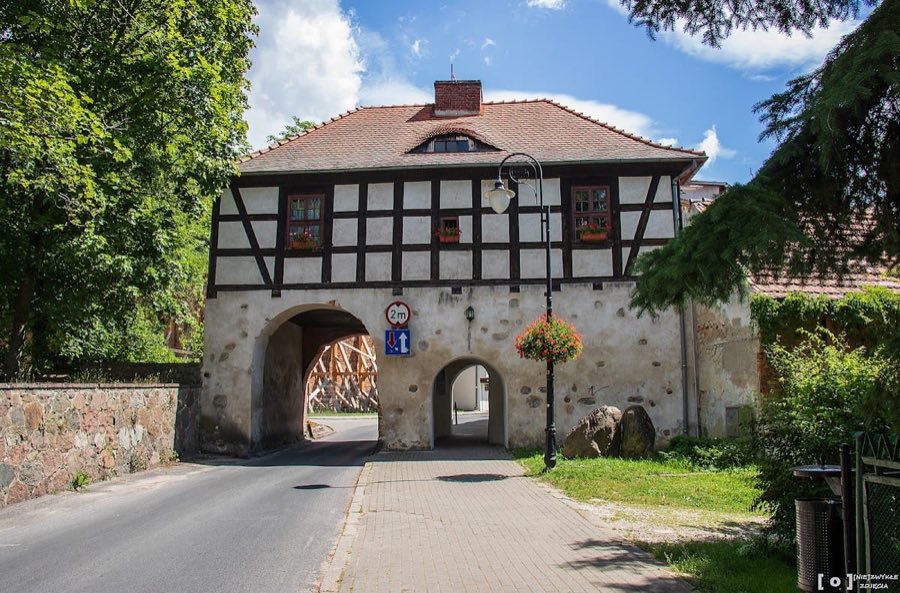
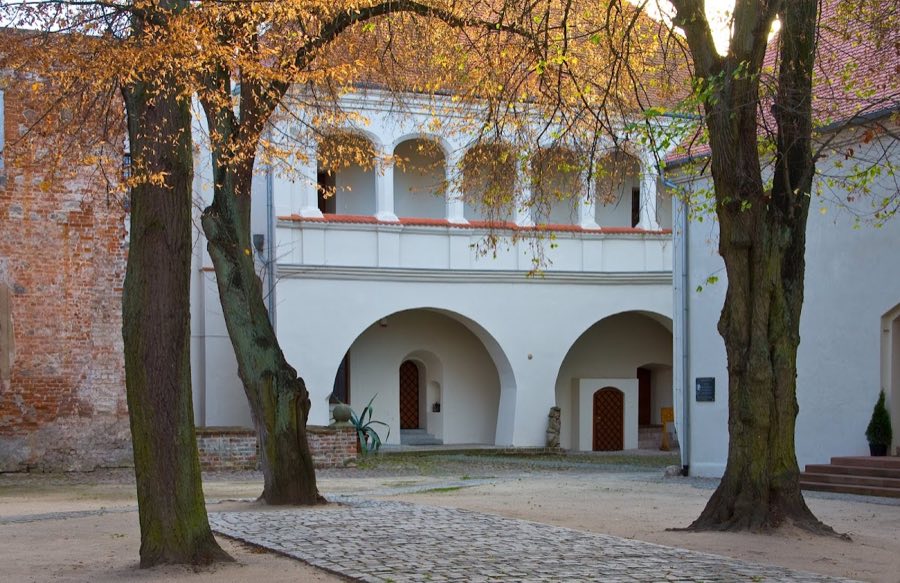
Castle of the Order of St. John in Łagów is a castle in Poland with origins associated with the 13th century.
See all castles in PolandThe Castle of the Order of St. John in Łagów is located in the municipality of Łagów, Poland. Its origins date back to the late 13th century when the Ascanian dynasty constructed a fortress to protect an important trade route from Frankfurt (Oder) through Rzepin and Schwiebus to Posen, guarding this border region against Polish incursions.
By the mid-14th century, ownership of the site transferred to the Order of St. John, also known as the Johanniterorden. After being pledged in 1347, the castle and its surrounding estate became a confirmed possession of the Order by 1350. At that time, the commandery overseeing Łagów also included the nearby settlement of Zielenzig, which had come under the Order’s control in 1318. Soon after 1351, the existing defenses were expanded with the construction of a new castle, divided into two main rectangular sections: the eastern half served as the Order’s stronghold, while the western half was dedicated to economic activities. The leadership of the commandery was clearly established by 1357, with the first known commander or Komtur named Heinrich von Wedel recorded in 1372.
During the turbulent early 15th century, the castle played a role in regional conflicts. In 1433, it faced a threat from a combined Polish-Hussite army. In this conflict, Balthasar von Schlieben, who was then Komtur, defected to the Hussite side, a significant event reflecting the shifting allegiances of the period. Later, in the mid-15th century, the castle became a venue for important Brandenburg councils held in 1460, 1464, and 1467. These gatherings focused on preparing diplomatic negotiations with Poland, emphasizing the site’s strategic and political importance.
The 16th century brought religious transformation. In 1538, following the introduction of the Reformation to the Neumark region, the Johanniter commandery in Brandenburg adopted Protestantism. This change influenced the castle’s interior, leading to modifications that made the living quarters more suitable for commanders’ families, marking a shift from purely military use to residential functions.
In the course of the Thirty Years’ War, Swedish forces captured the castle in 1640. Afterward, control shifted to Brandenburg-Prussia, reflecting the broader changes in territorial governance in the region. The Order of St. John was dissolved by royal decree in 1810, prompting the secularization of its properties. Following this edict, the castle was granted as a private fief to the von Klepzig family, who retained ownership until the end of World War II in 1945. Since then, the castle has become public property managed by the local municipality.
The castle stands prominently on a peninsula between two lakes, Łagów (Jezioro Łagowskie) and Ciecz (Tschetschsee), in Łagów, Poland. Its design follows the typical model of a medieval hill castle constructed in the early 14th century, strategically positioned to dominate the natural waterways and surrounding landscape. The layout consists of two adjacent rectangular courtyards of nearly equal size. The eastern section was designated for the Order’s fortified residence, while the western section served as an economic yard, likely housing workshops, storage, and stables needed for the commandery’s operations.
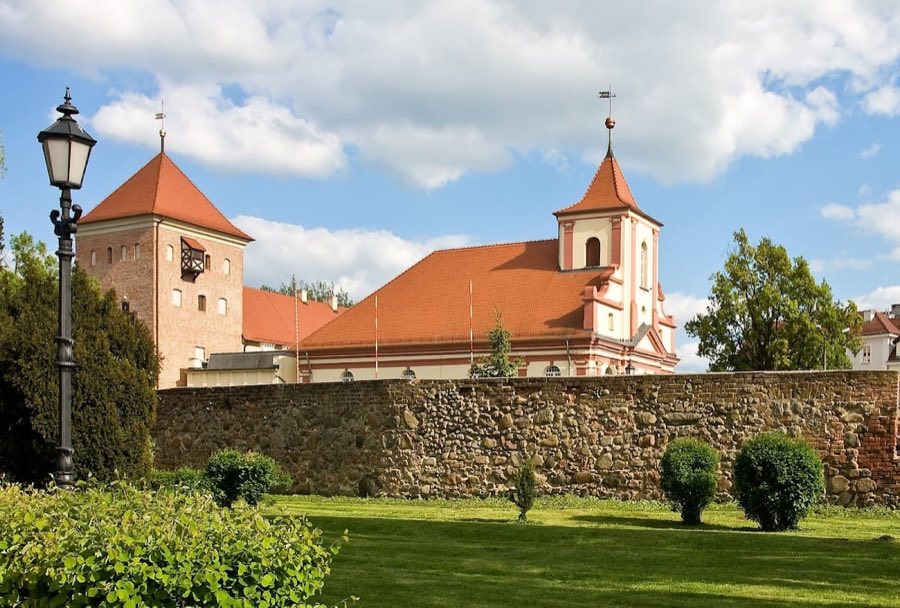
Structurally, the castle is built on a quadrangular plan, notable for a distinctive 35-meter-tall tower with a square base, known as a stołp, located at one corner of the fortress. This tower would have served both defensive and signaling purposes. Surrounding the complex are well-preserved Gothic perimeter walls, which retain much of their medieval character. Inside, notable architectural features include a hall vaulted in Gothic style with a single central pillar supporting the ceiling. This elegant solution demonstrates the blend of strength and aesthetic typical of the period’s castle designs.
Another significant interior space is the knights’ hall, which was adapted during the Baroque period and contains a fireplace dated to 1740, indicating ongoing use and refurbishment through centuries. Extensive renovation work took place between 1964 and 1970, ensuring the preservation of these historic features. Today, the castle’s structures stand restored and reveal a layered history of military, religious, and residential use, enclosed within a well-defined medieval fortress footprint.
No. 42152
No. 93571
No. 61816

No. 99801
Comments
Comments for Castle of the Order of St. John in Łagów will require a verified account before posting.
We'll send a verification link before your first comment is published.