No. 40114
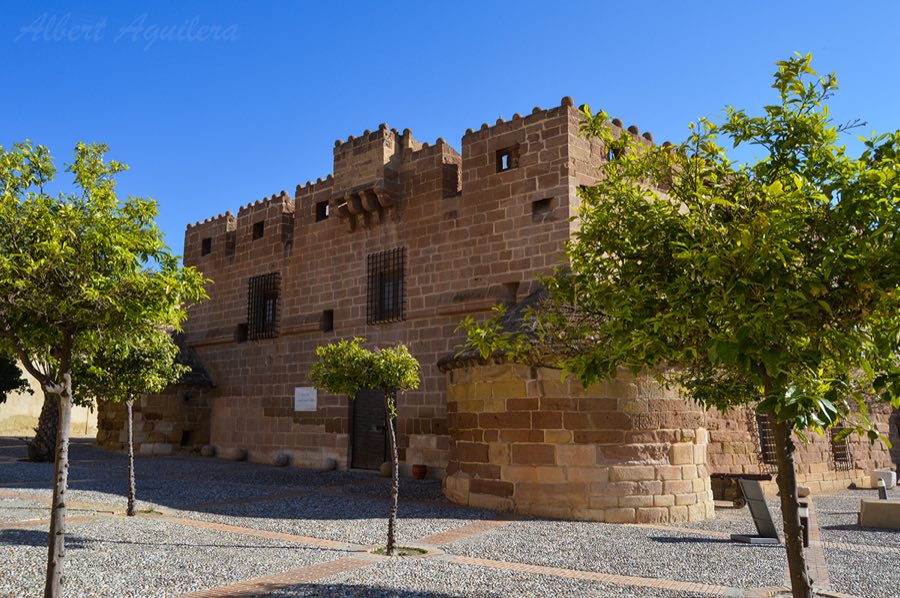
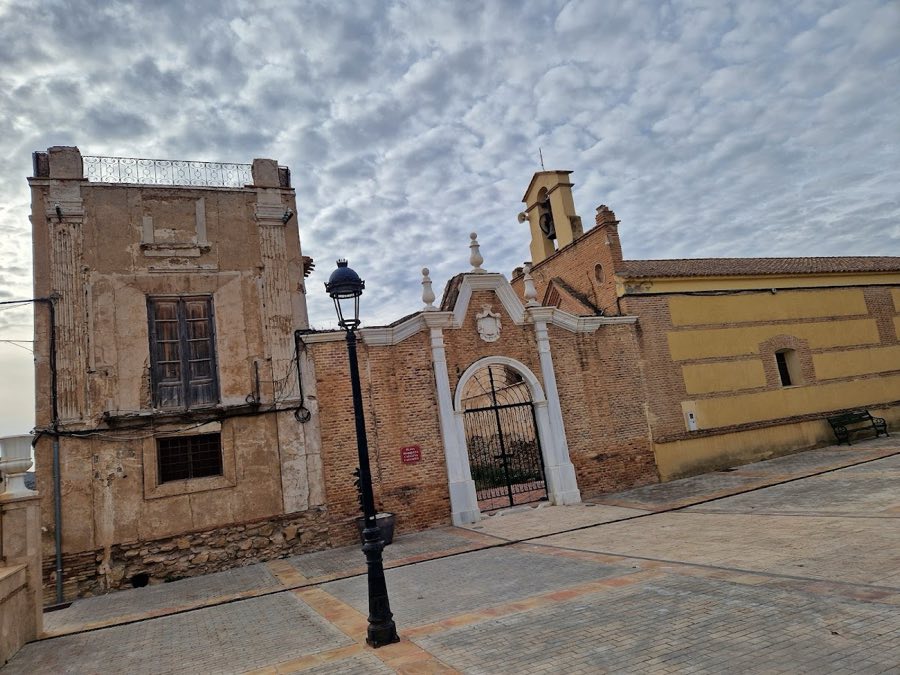
Castillo de Cuevas de Almanzora
Spain
CastleRestored15th century
No. 71776
No. 71776 · 37.600 N, 0.982 W
Quick summary
Castle of La Concepción, Cartagena is a castle in Cartagena, Spain with origins associated with the 13th century.
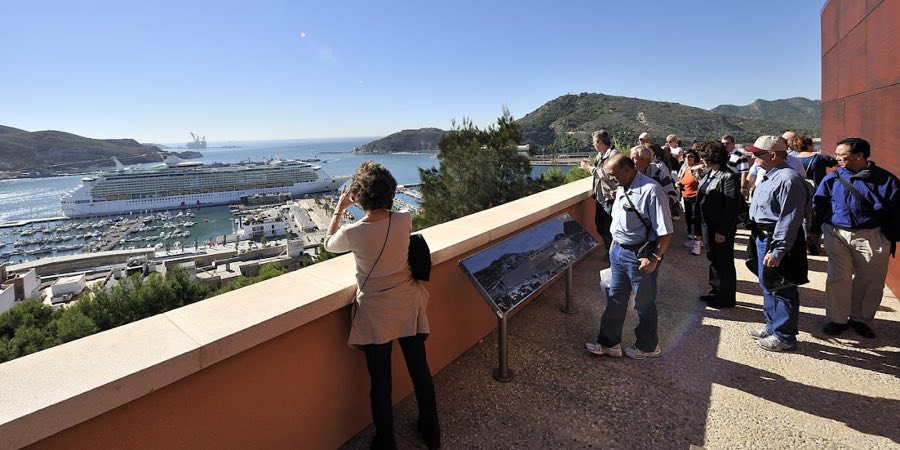
See all castles in SpainThe Castle of La Concepción stands on a hill overlooking the city of Cartagena in Spain. This fortress dates back to the medieval period and was built by Christian forces during the Reconquista in the 13th century.
Before the castle’s construction, the hill held significance dating to antiquity. The Greek historian Polybius recorded the existence of a Roman temple dedicated to Asclepius, the god of healing, on this site. Archaeological work has shown that the earliest level of the castle reused Roman cisterns, possibly connected to this temple or to a later Byzantine-era structure. During the 12th century, the hill was fortified by Muslim rulers with an alcazaba, a type of fortress. Portions of the castle’s walls and a lantern tower, used as a lighthouse during the Islamic period, remain from this time.
In the mid-13th century, following the Christian reconquest of Cartagena by Infante Alfonso X of Castile, known as Alfonso X the Wise, the castle was built over the earlier Muslim defenses. Alfonso X strengthened the city’s fortifications, establishing Cartagena as the Crown of Castile’s only Mediterranean port. This location made the castle strategically important, situated between the Crown of Aragon and the Nasrid Kingdom of Granada. Alfonso X also revived the bishopric of Cartagena and founded the Order of Santa María de España within the city to combat Muslim naval forces. However, after several military setbacks and losses at sea, the order was suppressed, reducing the port’s military role and leading to the castle’s incomplete construction.
The main entrance, known as the Puerta de la Villa, consisted of a large arched gateway flanked by two towers guarding access to the walled enclosure. Over time, as Cartagena’s military significance waned, the castle fell into decay. In the early 20th century, plans to demolish the fortress were considered but never carried out. During the dictatorship of Primo de Rivera, the site was transformed into a public park featuring gardens and ponds, acquiring the local nickname “castle of the ducks.” More recently, the castle’s keep has been partially restored and repurposed as a center for historical interpretation by local heritage organizations.
The Castle of La Concepción sits 26 meters above sea level on a prominent hill, overlooking the port of Cartagena. The fortress incorporates a blend of Roman, Islamic, and medieval Christian construction techniques, reflecting its layered history.
The castle’s central feature is the keep called El Macho, built primarily from large limestone blocks quarried at nearby Cabezo Gordo and pink travertine stone from Mula. Many of the building stones were repurposed from Roman structures and include engraved inscriptions, notably a funerary stele belonging to Lucius Aemilius Rectus, which serves as a lintel above the entrance to the tower. Some scholars have noted that the keep may have originally lacked a complete second floor, resembling contemporaneous towers such as Alfonso X’s tower at the Castle of Lorca.
Significant portions of the castle’s defensive walls contain towers dating back to the 12th-century Muslim alcazaba that previously occupied the site. Among these, the surviving Arabic-era lantern tower once functioned as a lighthouse guiding ships in the harbor. Underlying the castle’s first floor are Roman cisterns confirmed through recent archaeological restoration, indicating reuse of ancient water-storage facilities.
Access to the fortress was controlled by the Puerta de la Villa, a monumental gateway formed by a large arch framed by two defensive towers, which led into the castle’s walled enclosure. Decorative stonework from the 13th century, including carved corbels (supporting brackets) and vault keystones—central stones at the apex of stone arches—have also been identified within the structure.
Today, the castle stands partially restored, with the keep serving as a center to explore and interpret Cartagena’s rich historical heritage. The surviving architectural elements provide a tangible link to the site’s multifaceted past, combining Roman, Islamic, and medieval Christian influences in one historic landmark.
No. 40114
No. 47670
No. 76584
No. 69784
Comments
Comments for Castle of La Concepción, Cartagena will require a verified account before posting.
We'll send a verification link before your first comment is published.