No. 24664
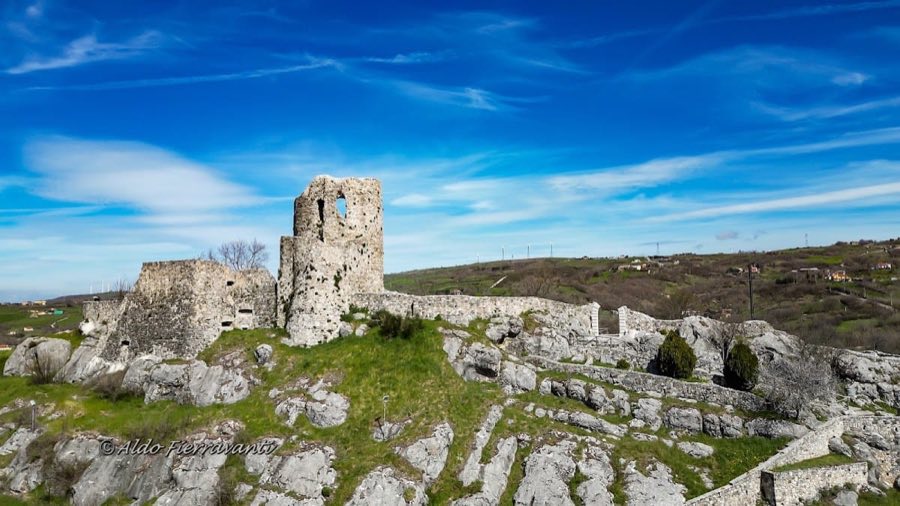
Castello di Rocca San Felice
Italy
CastleRuin12th century
No. 79097
No. 79097 · 40.753 N, 15.486 E
Quick summary
Castle of Muro Lucano is a castle in Italy with origins associated with the 9th century.
See all castles in ItalyThe Castle of Muro Lucano is located in the town of Muro Lucano in present-day Italy. It was originally established by the Lombards in the latter half of the 9th century as part of their efforts to secure the northern frontier of the Duchy of Salerno, within the historical region known as Langobardia Minor.
During the Middle Ages, the castle served as a feudal stronghold and administrative center. In 1269, Pietro di Hugot was named lord of Muro by King Charles I of Naples, indicating the site’s importance within the kingdom. Later, the castle became notable as the place where Queen Joanna I of Naples was assassinated in 1382 on the orders of Charles of Durazzo, reflecting its role in the turbulent politics of the time.
In the early 15th century, under King Ferdinand I of Aragon, the castle and town were granted to Troiano di San Magno before being sold to Count Mazzeo Ferrilli for 5,000 ducats. By 1483, Alfonso I elevated Muro Lucano to county status with Ferrilli as its first count. Ferrilli undertook significant renovations, adding two towers and a drawbridge that enhanced the castle’s defenses and profile.
The castle later passed into the hands of the Orsini family through the marriage of Beatrice Ferrilli, Mazzeo’s granddaughter, to Ferdinando Orsini, Duke of Gravina. The Orsini family maintained feudal control until 1806, when feudalism was abolished in the kingdom. During their tenure, the castle experienced major repairs following severe damage caused by an earthquake in 1694, including alterations that led to the removal of the drawbridge.
In the 19th century, specifically in 1830, the castle changed ownership when Bernualdo III sold it to Francesco Domenico Lordi. The building endured further harm during another earthquake in 1980 but was subsequently restored throughout the 1980s and 1990s, with attention given to the walls, interiors, stables, and original medieval sections. Adjacent to the castle stands the Concattedrale di San Nicola, which dates back to 1169 and is nearly physically connected to the fortress, although much of its medieval fabric is hidden beneath a later seventeenth-century structure.
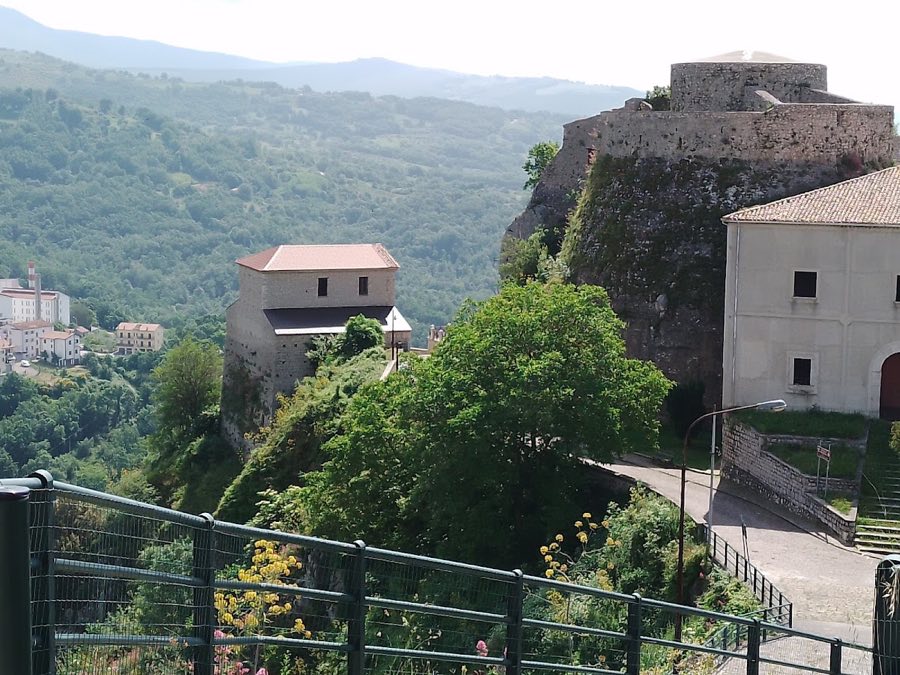
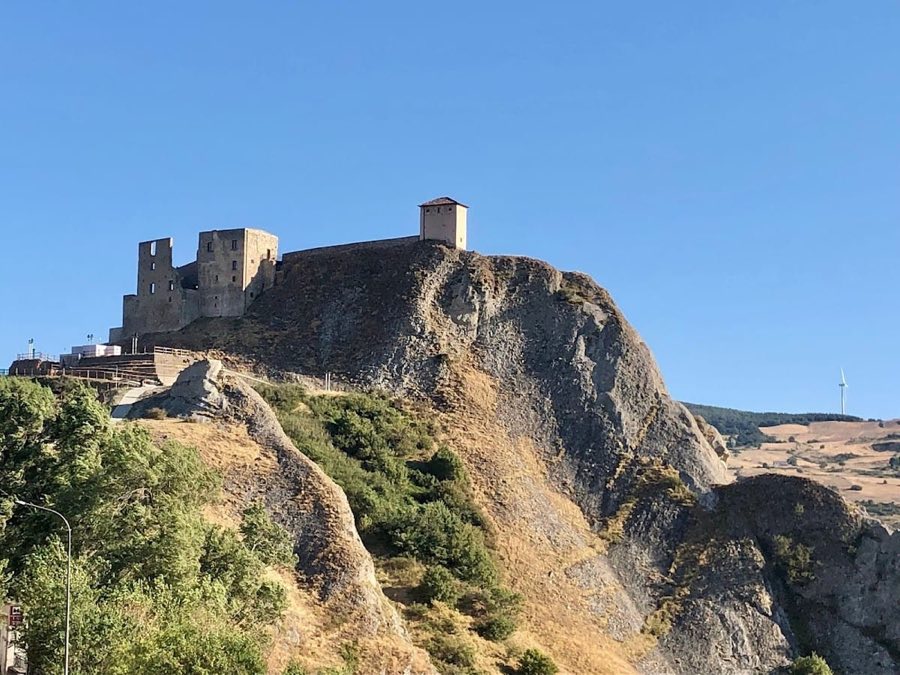
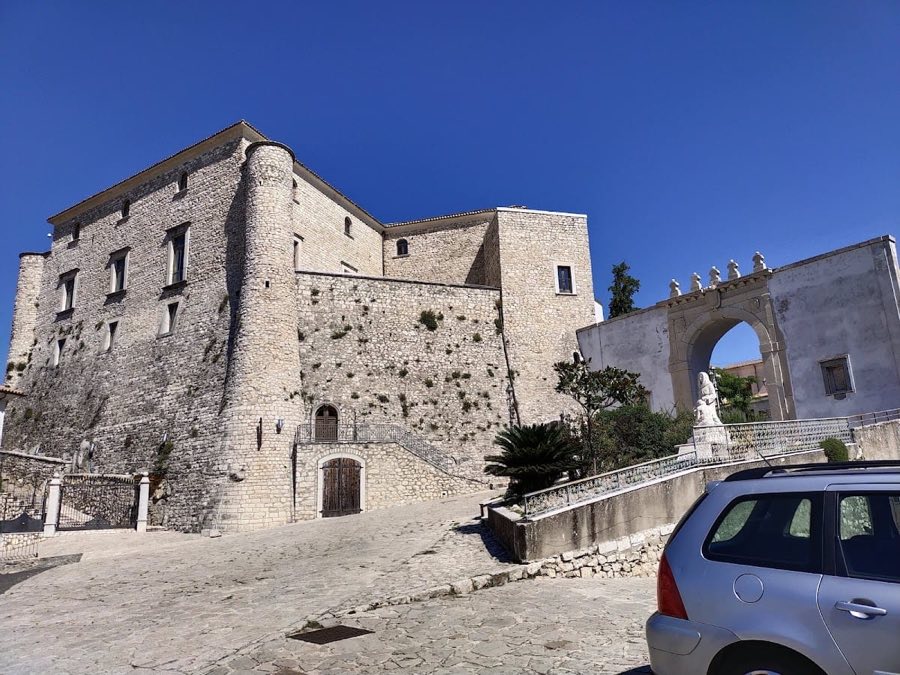
The Castle of Muro Lucano occupies the highest point of the village, adapting its form to the uneven, rocky terrain beneath it. Its overall footprint is rectangular, but the shape of the structure is irregular, conforming closely to the natural outcrop it crowns. The castle is enclosed by several gates, which offer access to the interior rooms that once served as living quarters for lords and their households.
Two prominent towers define the castle’s silhouette, each from different periods. The older tower, known as the Torrione, is positioned on the southern side and constructed from large blocks of limestone. This tower rises to the height of the first floor and includes a rooftop terrace, which likely served as a lookout point. In contrast, the northern tower is a more modern addition, notable for its circular form and distinctive arches that encircle its perimeter. Standing about eight meters tall and supported by a substantial rock base, this tower overlooks the residential section of the castle.
Historically, a narrow drawbridge connected parts of the fortress, enhancing its defensive capabilities. This feature was removed following the post-earthquake repairs carried out by the Orsini family after the damage sustained in 1694. Today, the castle presents a blend of medieval and later elements reflecting its extensive history and the multiple phases of renovation it has undergone. The nearby settlement called Il Pianello, positioned on a steep ridge below the castle, remains linked to the fortress by a narrow, winding path and continues to be inhabited, preserving the historical connection between the castle and the community it once served.
No. 24664
No. 80718
No. 53825
No. 33219
Comments
Comments for Castle of Muro Lucano will require a verified account before posting.
We'll send a verification link before your first comment is published.