No. 43908
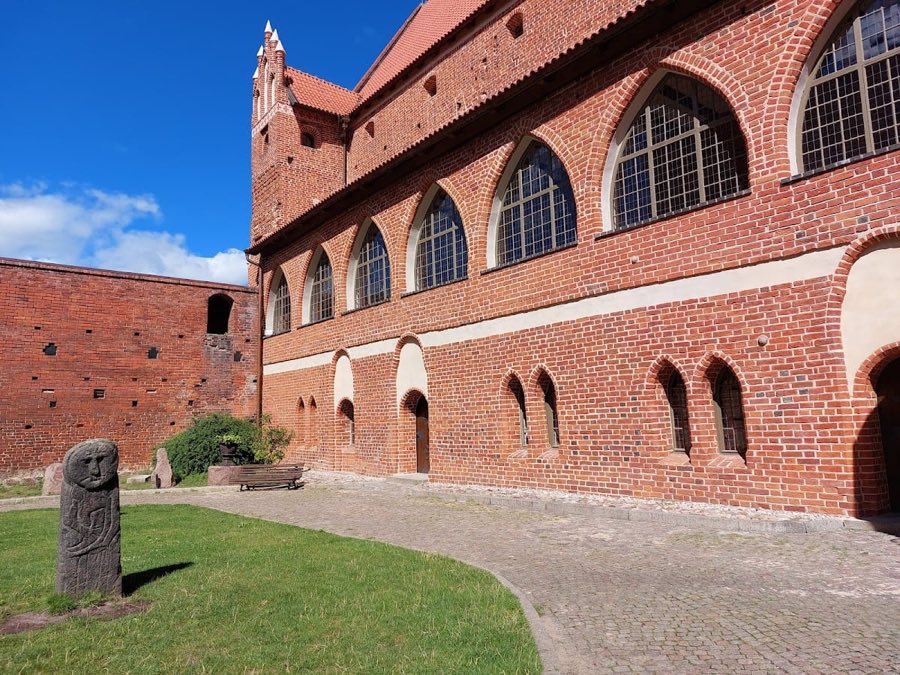
Castle of Warmian Bishops in Olsztyn
Poland
CastleRestoredFor events14th century
No. 28903
Castle · Poland
No. 28903 · 54.115 N, 20.128 E
Quick summary
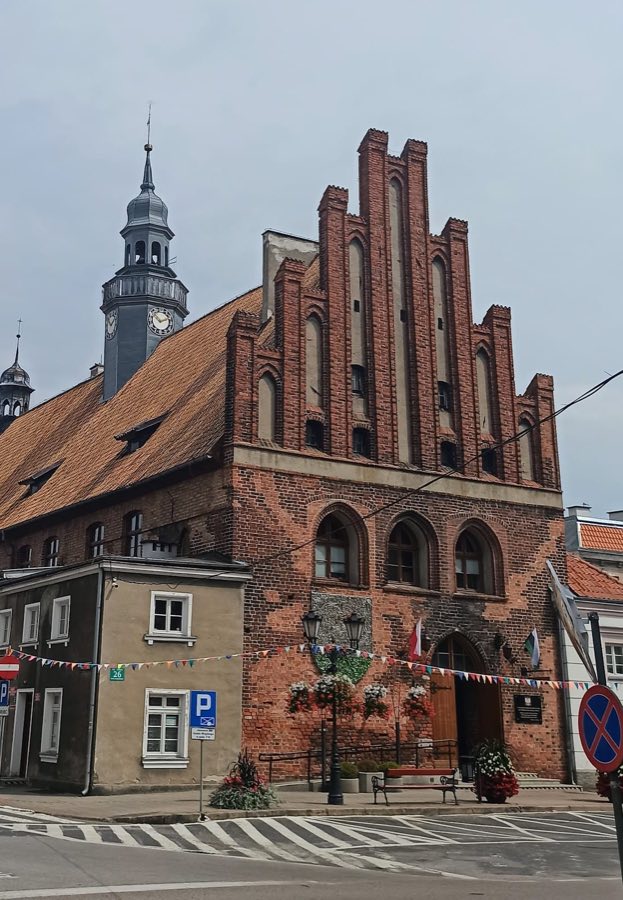
Castle of the Warmian Bishops in Orneta is a castle in Poland with origins associated with the 14th century.
See all castles in PolandThe Castle of the Warmian Bishops in Orneta is situated in the town of Orneta, Poland. It was constructed by the Teutonic Order, a medieval military and religious order active in the region during the Middle Ages. The fortress is first recorded in historical sources in 1338, indicating its early importance within the territorial and ecclesiastical landscape of Warmia.
Before 1350, the castle’s initial construction began, and between 1342 and 1350, it served as the main residence of Bishop Herman of Prague. As a seat of ecclesiastical power, it functioned as the bishop’s home and administrative center during his tenure. Herman’s successor, Bishop Jan of Meissen, later transferred the bishop’s principal residence to Lidzbark Warmiński, which shifted the castle’s role within the bishopric’s network of strongholds.
Throughout the 17th and early 18th centuries, the castle experienced significant reconstructions which altered its structure and appearance to meet contemporary needs. These restorations reflect ongoing use and adaptation within changing political and social circumstances of the time.
The castle remained under the ownership of the Warmian bishops until 1772, when the First Partition of Poland resulted in Prussia annexing the territory. Subsequently, the Prussian government confiscated the castle, marking a change from ecclesiastical to secular control. In 1806, the walls facing the town were deliberately demolished, signaling a shift away from its defensive function.
By 1890, the residential buildings of the castle were torn down by Prussian authorities. On its foundations, a school was constructed, known today as Primary School No. 1. Despite these transformations, the building retains the original Gothic vaulted cellars beneath it, preserving a tangible link to the castle’s medieval origins.
The castle’s original layout consisted of two main sections, suggesting a complex and purposeful design. The northern area formed the primary castle with an almost rectangular shape measuring roughly 29 by 38 meters. This portion served as the bishop’s residence and contained the chapel, emphasizing its religious and residential significance. Attached to the northwestern defensive wall was a small castle house divided into two parts, the cellar vaults of which were constructed in a manner similar to those found in neighboring castles such as Lidzbark Warmiński and Ostróda. These vaulting techniques support a dating to the mid-14th century.
Foundations also suggest that a tower once stood at the northern corner of the compound, although the vaults existing in that area today are recognized as later, modern additions rather than original medieval structures. Along the northeastern defensive walls, the unusual layout of the castle house’s cellars indicates the presence of an early built structure incorporated into the fortifications from the castle’s initial phase.
One of the most striking surviving elements are the Gothic vaulted cellars beneath the current school building, which include barrel vaults and ribbed cross vaults. These vaults demonstrate the skilled masonry and architectural style typical of the Gothic period in the region. Their presence beneath a modern structure illustrates how the medieval castle’s architectural legacy persists within the present-day building fabric.
Over time, several modifications have altered the castle’s above-ground appearance. Walls facing the town were partially demolished in the early 19th century, and later Prussian actions resulted in the destruction of the residential quarters. Despite these changes, the preservation of vaulted cellars allows for direct archaeological insight into the castle’s medieval origins and construction techniques, maintaining an essential link to Orneta’s historical and ecclesiastical past.
No. 43908
No. 61818
No. 15100
No. 35832
Comments
Comments for Castle of the Warmian Bishops in Orneta will require a verified account before posting.
We'll send a verification link before your first comment is published.