No. 18871
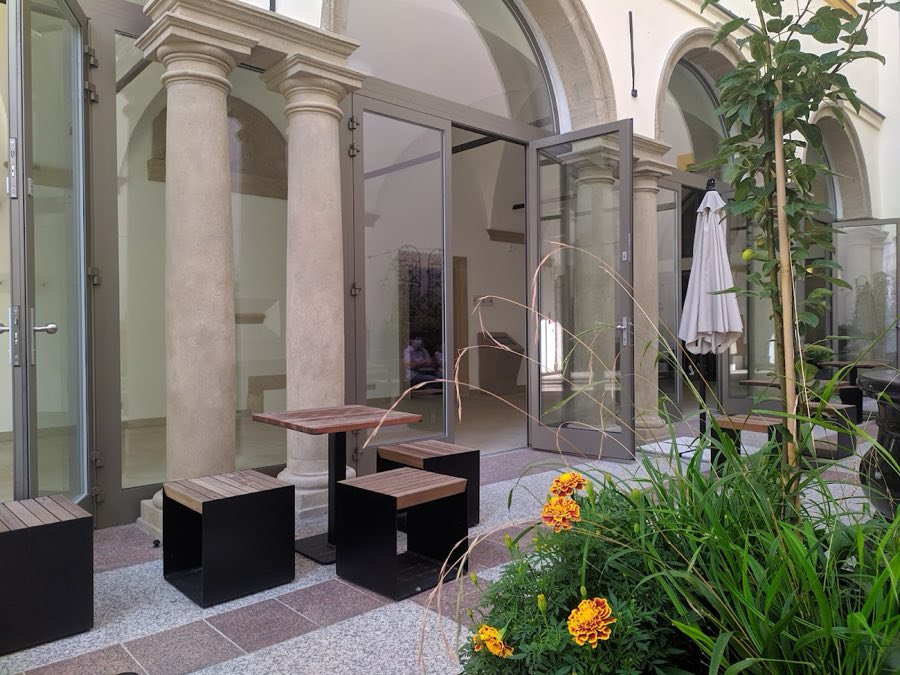
Krzysztofory Palace
Poland
PalaceRestoredFor events17th century
No. 96487
Manor house · Poland
No. 96487 · 50.065 N, 19.949 E
Quick summary
Celestat, Kraków is a manor house in Kraków, Poland with origins associated with the 18th century.
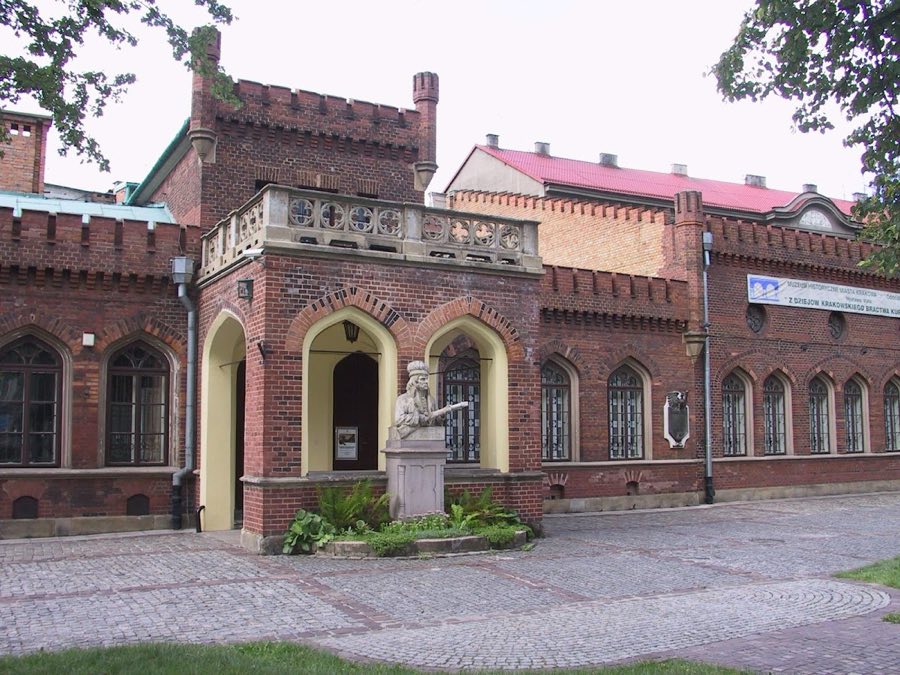
See all castles in PolandCelestat in Kraków, Poland is a neogothic shooting lodge erected in 1837 by the Kraków Shooting Society, a civic brotherhood; it was built in the English neogothic manner and quickly became an important venue for the society’s ceremonial and sporting life. The name Celestat comes from the German word Zielstätte, meaning “target place,” and the site served as the society’s practice ground and seat from the 1830s onward.
The brotherhood had paused its activities after 1794 and in the 1830s purchased a manor with garden on the site now occupied by Strzelecki Park. Within months of acquiring the Wesoła property in 1837 a neogothic pałacyk was raised and formally opened on 15 October 1837. From that time the Celestat hosted the election of the “king of the shooters,” regular shooting drills, summer concerts in the garden, and public access to a restaurant and grounds.
In 1851 Emperor Franz Joseph I visited Celestat, fired three shots at a special target and signed a commemorative book; he returned in 1880 and presented a silver-and-ivory tea service made in Vienna, and Archduke Rudolf stayed there in 1887. Around 1874–75 the building was enlarged to include a large shooting hall with an orchestra balcony; the expanded complex reopened in early January 1876. Sculptures and commemorative works were added in the 1880s and later, including garden statues representing Sigismund Augustus and John III Sobieski placed in 1883 and a bust of Marcin Oracewicz from 1890.
The Celestat saw military use during the twentieth century. In 1914 the Austro-Hungarian army occupied the garden and the building; after that army left the property was rented to the YMCA until the brotherhood regained control in 1921. German forces occupied the Celestat in 1939 and quartered soldiers there, and the building suffered severe damage during that occupation. After the Second World War the brotherhood sought to recover the property; one account records that the building was taken from them in 1951 and that their relics were transferred to the Historical Museum of the City of Kraków in 1952, with the society pursuing transfer of the Celestat to the museum from 1958 and a permanent exhibition opening on 21 June 1997. Another account states that the shooting society regained the building only after the political changes of 1989, and that the premises have served as a museum since 1997. Today the Celestat is a branch of the Historical Museum of the City of Kraków and presents a permanent exhibition titled “From the History of the Kraków Shooting Brotherhood.”
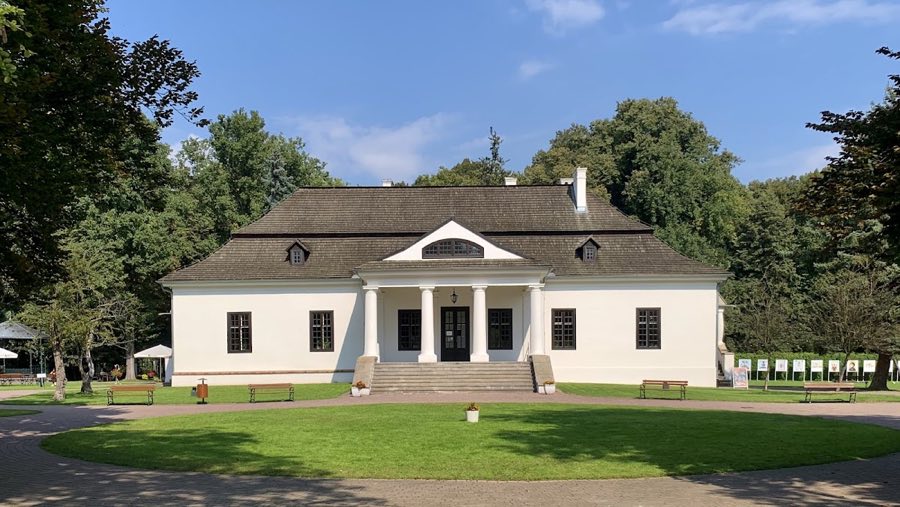
The complex occupies a garden site immediately east of Kraków’s Old Town and centers on a small neogothic pałacyk raised in 1837 in the English neogothic manner. That original building and its later additions form a compact ensemble set within Strzelecki Park, with the pałacyk functioning as the principal enclosed structure and the garden providing space for sculptures and monuments.
An enlargement carried out in 1874–75 added the Sala Strzelecka, a large hall attached to the earlier lodge that measures about 320 square metres and reaches roughly six metres in height. The hall is divided internally by a colonnade, contains an orchestra balcony, and historically displayed portraits of the society’s shooting kings hung beneath the ceiling. This large hall serves as the main exhibition space today and houses the silver rooster, described as the collection’s most important object, alongside coins, medals, photographs and other memorabilia.
The interior layout includes four exhibition rooms totaling roughly 400 square metres. The Sala Bracka, at about 60 square metres, presents the modern history of the brotherhood. A small armory room of about 16 square metres displays weaponry such as bows, firearms and rapiers. A compact treasure room of approximately seven square metres holds especially valuable items, among them an eighteenth-century pewter service, two eighteenth-century chests, and goldsmith works including the Franz Joseph I silver-and-ivory tea set made in Vienna.
The garden retains sculptural and commemorative features installed in the late nineteenth and later centuries. Two garden figures added in 1883 represent Sigismund Augustus and John III Sobieski. A bust of Marcin Oracewicz from 1890 stands before the building, and a monument to John Paul II dated 2000 stands nearby. The complex and its related structures are entered in the monuments register, with the garden, the Bractwo Palace and a pavilion at the corner of Bosacka and Topolowa recorded as protected elements of the ensemble. The building and its grounds reflect phases of use, repair and reuse following military occupation in 1914 and again in 1939, and they now accommodate a permanent museum presentation focused on the shooting brotherhood’s history.
No. 18871
No. 56464
No. 12432
No. 33328
Comments
Comments for Celestat, Kraków will require a verified account before posting.
We'll send a verification link before your first comment is published.