No. 74073
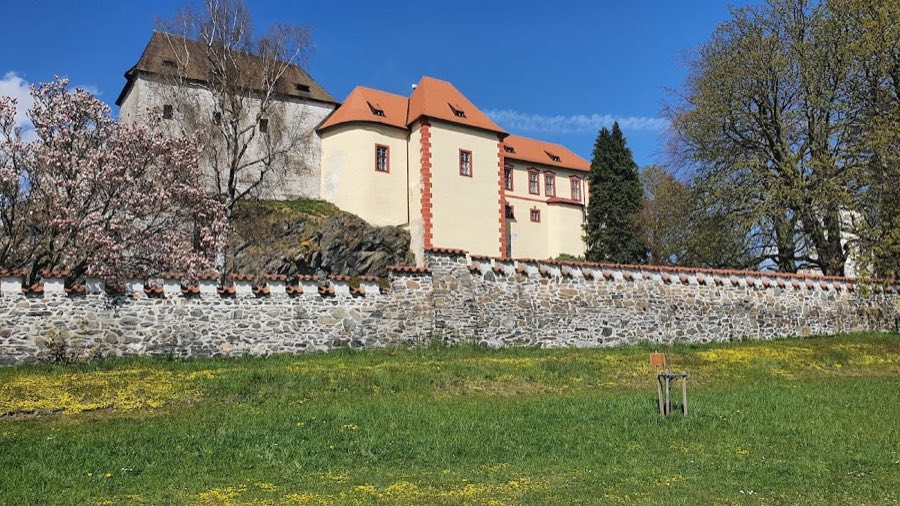
Kámen Castle
Czechia
ChâteauIntact17th century
No. 59599
Château · Czechia
No. 59599 · 49.302 N, 15.079 E
Quick summary
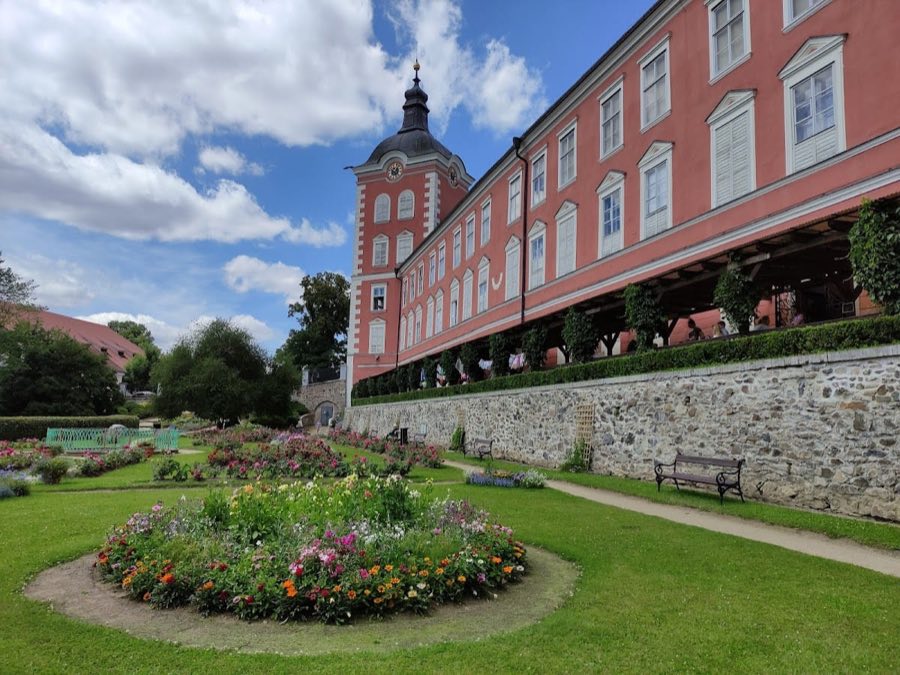
Chateau at Kamenice nad Lipou is a château in Czechia with origins associated with the 13th century.
See all castles in CzechiaThe Chateau at Kamenice nad Lipou is located in the town of Kamenice nad Lipou in the Czech Republic. The original structure was established in the mid-13th century, around the year 1248, constructed as a castle by the medieval Bohemian civilization. Over the centuries, the site evolved alongside changing architectural styles and ownership.
Between 1580 and 1583, the medieval fortress was transformed into a Renaissance mansion. This renovation introduced a layout centered around a courtyard adorned with arcades, complemented by gardens that became a notable feature of the estate. The presence of a prominent linden tree within the garden, estimated to be seven to eight centuries old, played a role in inspiring the town’s name, which translates as “at the linden tree.”
In 1744, a Baroque-style entrance tower was added, marking an important architectural enhancement during the early modern period. Later, in the early 19th century, specifically from 1839 to 1842, the castle underwent significant remodeling by its then-owning family, the Geymüllers. They reshaped the building into the Neoclassical style that defines its present-day appearance. The Geymüller family remained the private owners until 1945, when their property was seized as part of post-World War II confiscations.
Following the confiscation, the castle was repurposed from 1945 until 1998 as a sanatorium for children, reflecting a shift from aristocratic residence to a public health function during the socialist era. Afterward, management transferred to the Museum of Decorative Arts in Prague. The museum undertook extensive restorations between 1999 and 2004, notably reviving the Renaissance hall located in the east wing and the Gothic hall within the cellar. Since 1958, the chateau has been legally protected as a cultural monument and today it serves as a museum presenting collections related to decorative arts, locksmithing, toys, and regional history. Additionally, the site hosts an annual summer event named Hračkobraní, initiated in 2006, which celebrates the art and craft of toy making.
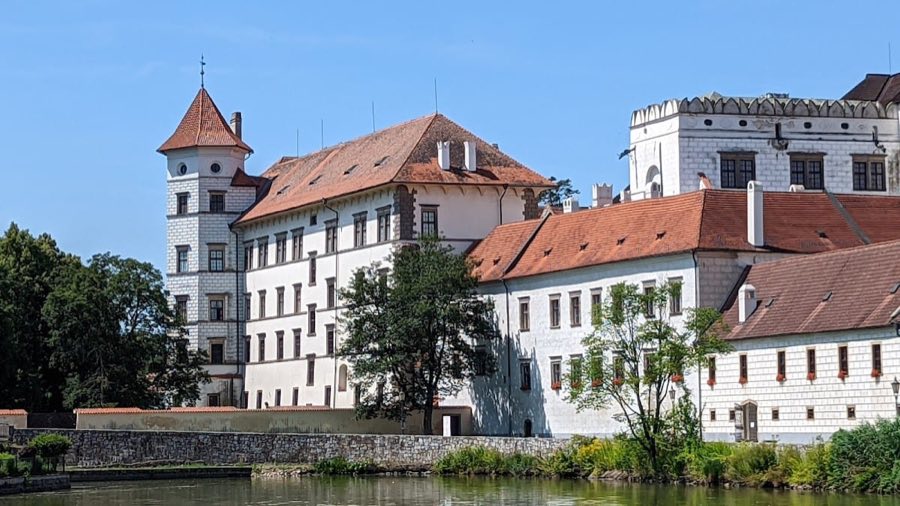
The Chateau at Kamenice nad Lipou is composed of a complex that reflects various construction phases, primarily featuring a Renaissance-style mansion arranged around an arcade-lined courtyard. This central courtyard is complemented by gardens that include a venerable linden tree, estimated to be 700 to 800 years old, linking natural heritage to the man-made surroundings.
One of the key architectural elements is the entrance tower constructed in 1744, designed in the Baroque style. This tower serves as the main entry point to the castle and stands in contrast to the primarily Neoclassical form the castle assumed in the early 19th century after renovation by the Geymüller family. This Neoclassical appearance remains the dominant visual character of the chateau today.
The estate includes several distinct wings, each with specific functions and historical character. The east wing is home to a large Renaissance hall, which was a focal point of restoration efforts. Below ground, the cellar contains a Gothic hall accessible to visitors, providing a glimpse into an earlier medieval architectural phase preserved beneath the surface. The southern wing currently supports exhibition spaces and serves as a ceremonial hall for the town’s museum.
The museum’s collections displayed within these spaces include permanent exhibits of forged ironworks such as grilles, chests, keys, locks, and door knockers. These pieces span a wide timeframe, from the Gothic era through to the early 20th century. A notable collection of 19th and 20th-century furniture highlights Czech and European design traditions. Additionally, a toy collection displayed at the chateau features historical dolls dating from the 19th to the early 20th centuries, underscoring the cultural heritage of traditional toy craftsmanship.
Restoration projects conducted between 1999 and 2004 paid particular attention to preserving the Renaissance and Gothic halls, allowing these significant architectural components to remain intact and accessible. Surrounding the chateau is an English-style park that contributes to the site’s historical and aesthetic context. Many of the cellar and other interior spaces serve dual purposes for exhibitions and the storage of museum collections. The castle complex today retains much of its layered architectural history while functioning as a center for the preservation and presentation of decorative arts and local history.
No. 74073
No. 67613
No. 86375
No. 93739
Comments
Comments for Chateau at Kamenice nad Lipou will require a verified account before posting.
We'll send a verification link before your first comment is published.