No. 36588
Château Lafite Rothschild
France
ChâteauRestored18th century
No. 56884
No. 56884 · 45.267 N, 0.778 W
Quick summary
Château Calon-Ségur is a château in France with origins associated with the 18th century.
See all castles in FranceThe site of Château Calon-Ségur in Saint-Estèphe, France, occupies land that was used by the Gallo-Roman community as the location of a substantial manor; the building that survives today dates from the era when the Ségur family held the estate in the 18th century. The property became notable within Bordeaux for its long association with vineyards and for its later recognition in the 1855 Bordeaux classification as a Third Growth, a ranking that tied the site to the region’s commercial and social networks.
Medieval records show that in 1157 the estate belonged to Monsignor de Calon, who served as bishop of Poitiers. After the conquest of Guyenne the vineyard passed through several noble hands, including the d’Albret line, Jean de Lur, Pierre de Marsan and members of the Gasq or Gasquet family. The place-name Calon reflects a medieval boat used to ferry timber across the Gironde, and the local commune was long known as Saint-Estèphe de Calon.
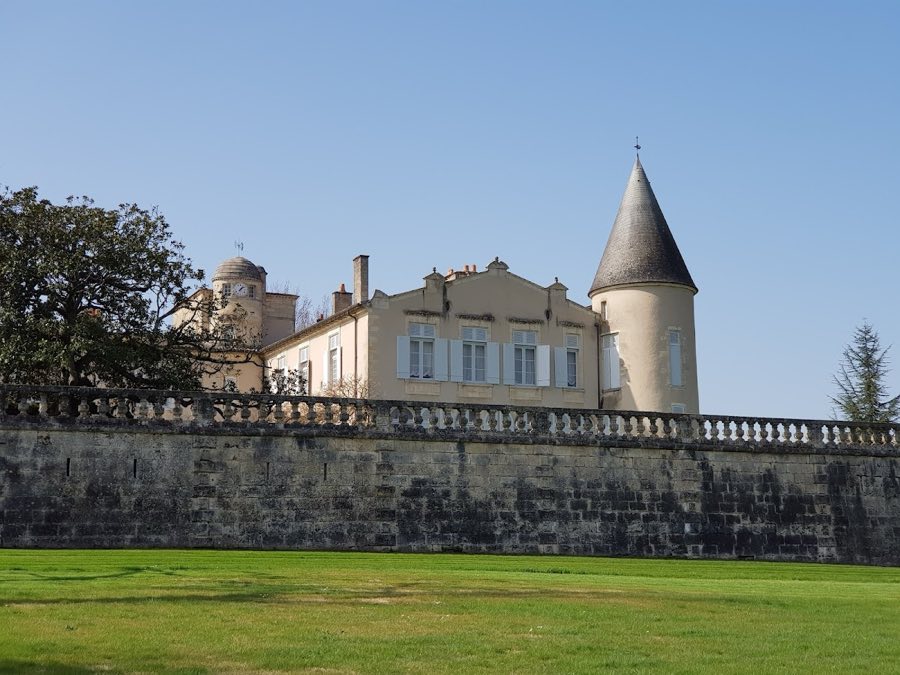
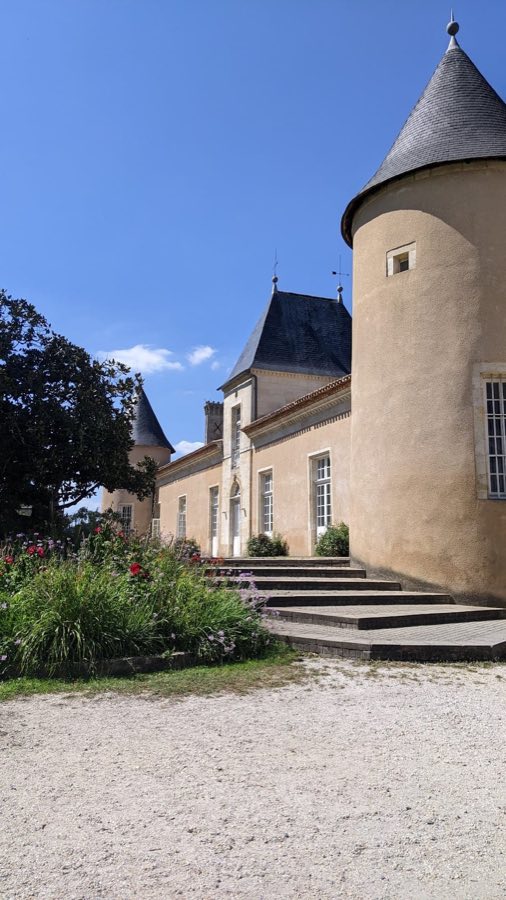
In the 18th century the château entered the Ségur family through marriage to Marquis Nicolas-Alexandre de Ségur, already owner of other celebrated properties. He attached his family name to the estate and is remembered for expressing a special attachment to the property even while owning other famous vineyards. The château building visible today was raised during this period and has survived into the modern era.
Vine health crises and economic change marked the 19th century. The phylloxera infestation that struck Bordeaux vineyards undermined earlier owners’ interest, and in 1894 the property was sold to Georges Capbern Gasqueton together with his uncle Charles Hanappier. The Capbern-Gasqueton family then played a leading role in restoring and maintaining the estate through the following decades.
Throughout the 20th century the estate remained in the Capbern-Gasqueton family, managed notably by Philippe Capbern-Gasqueton and later by his wife Denise. After Denise’s death in September 2011 her daughter Hélène de Baritault du Carpia assumed direction. In June 2012 ownership transferred to Suravenir Assurances, a company of the Crédit Mutuel Arkéa group; the reported sale price has been given in different figures, approximately in the low hundreds of millions of euros. Jean-François Moueix acted as intermediary and took a minority share, while professional managers were appointed and significant investment followed, including a new tasting facility, restoration work on the château and enlargement of the wine cellars.
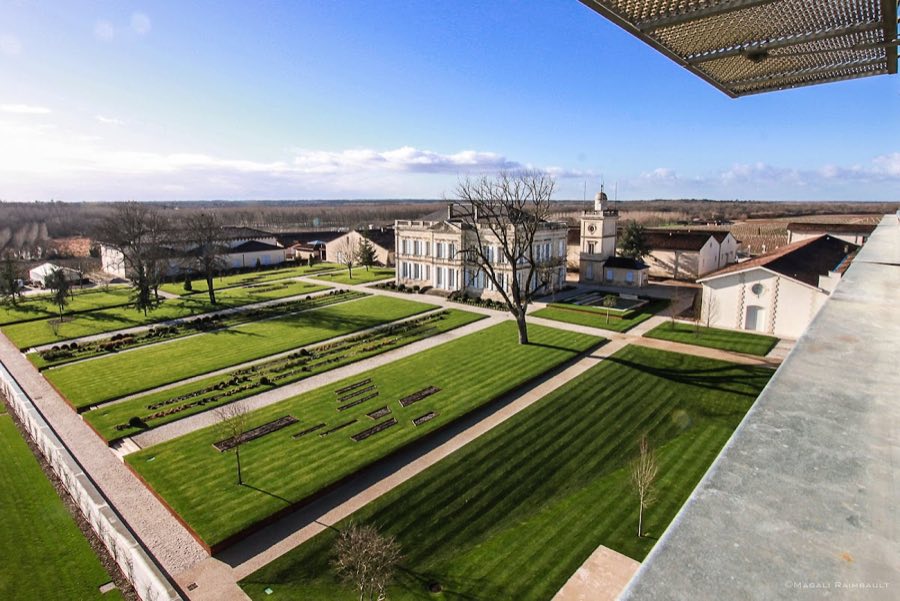
The property presents as a river‑plain vineyard estate set around a single château building, enclosed in part by a substantial stone wall. The masonry wall bounds a large portion of the cultivated land, a feature noted as unusual for the Bordeaux region, and it frames the parcels of vines that sit close to the castle.
The château itself originates from the Ségur era and survives on the site today, having undergone restoration in recent years. The cellars have been enlarged and a tasting room added as part of modern improvements. These interventions have focused on conserving the historic building while adapting the service spaces used for wine production and presentation.
The cultivated lands lie at a low elevation for Saint-Estèphe, with an average height above sea level around ten metres. The vineyard is split into two main parcels, one to the northeast and one to the northwest of the castle, and these are further divided into about forty individual plots that rest on a variety of soil types. Reported estimates of the estate’s total extent vary, from roughly fifty-three hectares to as much as ninety-four hectares, with one figure placing fifty-five hectares under vine. The planted surface is composed predominantly of Cabernet Sauvignon, with roughly two-thirds of vines of that variety, accompanied by Merlot at about one fifth and Cabernet Franc at around fifteen percent.
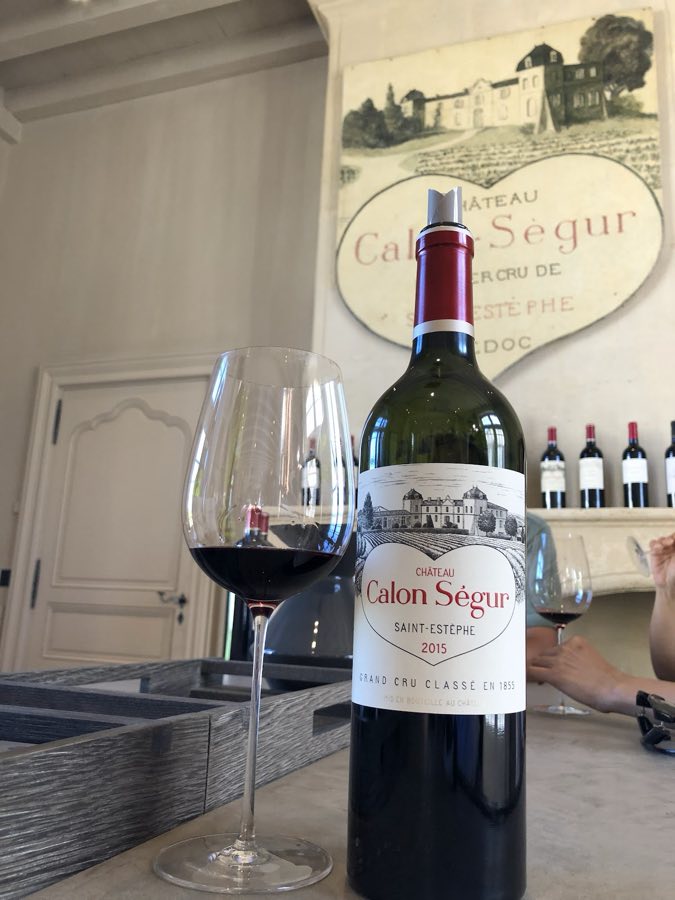
Vineyard practices on the property have changed over time. Planting density grew from an initial level near six thousand vines per hectare to as high as ten thousand in recent years. The average age of the vines is around forty years, and typical yields have been reported near thirty-five hectolitres per hectare. Decorative motifs on the estate and its bottles emphasize a heart shape, a recurring emblem that appears on the label and in other estate ornamentation.
No. 36588
No. 59038
No. 15458
No. 36402
Comments
Comments for Château Calon-Ségur will require a verified account before posting.
We'll send a verification link before your first comment is published.