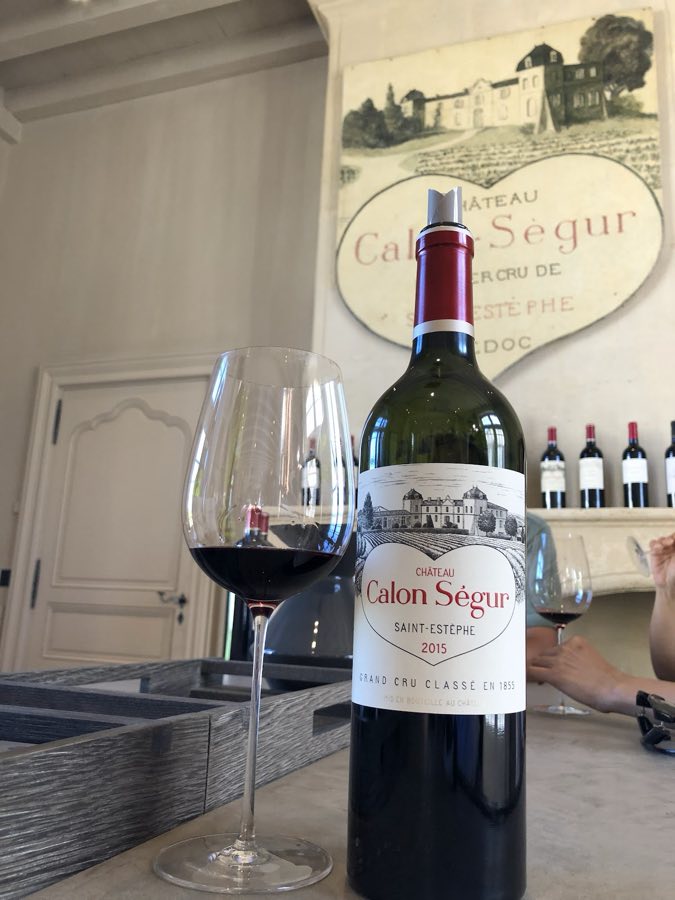
No. 56884
Château Calon-Ségur
France
ChâteauIntact18th century
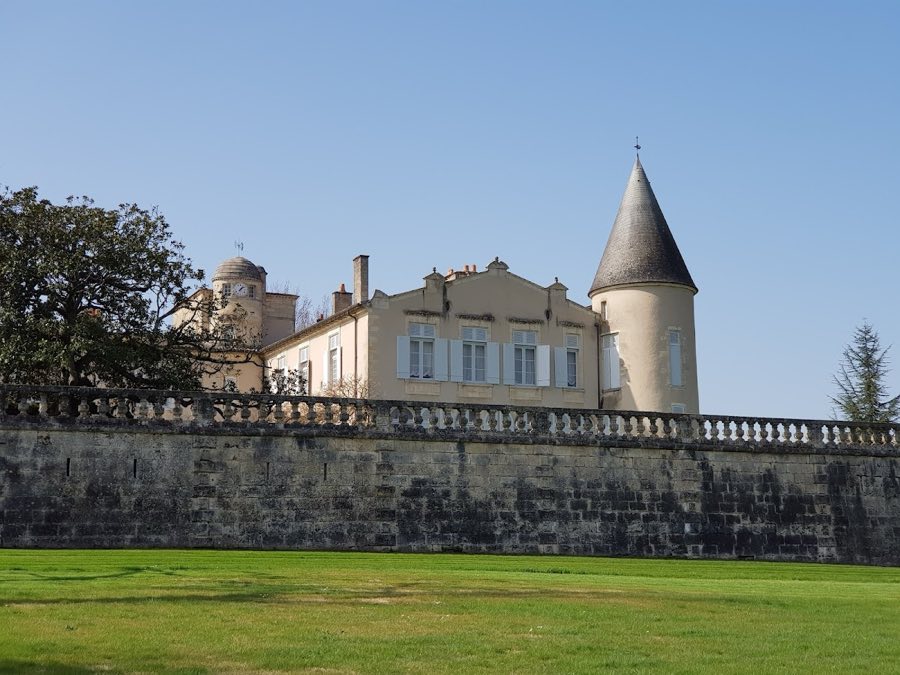
No. 36588
Château · France
No. 36588 · 45.225 N, 0.773 W
Quick summary
Château Lafite Rothschild is a château in France with origins associated with the 18th century.
See all castles in FranceChâteau Lafite Rothschild in Pauillac, France, is a long‑established wine estate that began as a medieval seigneurial holding, first entering written records in 1234 and linked to the local feudal class. The estate’s name comes from the Gascon phrase la hite, meaning slope of a hill, reflecting its topographical setting. Across centuries the property grew from a local manorial vineyard into one of Bordeaux’s most prestigious wineries, acquiring courtly fame in the 18th century and later formal recognition among France’s top classified growths.
From the 17th century the Médoc region became cultivable after extensive drainage works carried out by Dutch engineers in the mid‑1600s, and vine planting expanded across the estate. In the late 1670s and early 1680s Jacques de Ségur introduced new plantings, and a marriage in 1695 linked the property to Château Latour. By the early 18th century Nicolas‑Alexandre de Ségur improved winemaking and actively promoted the wines at the royal court, gaining a reputation that raised the estate’s profile at Versailles with high‑level patronage that increased its popularity.
After Nicolas‑Alexandre’s death his holdings were divided among his daughters, and the property changed hands over the later 18th century. Financial strain led to a sale in 1784 to Nicolas Pierre de Pichard. During the French Revolution de Pichard was executed on 30 June 1794, the estate passed into state possession, and on 12 September 1794 it was sold to Jean de Witt. Ownership shifted several times in the early 19th century until the Vanlerberghe family acquired the estate in 1816, managed covertly through Samuel Scott. The main wine bearing the château’s name was created in the period around 1815 by Abraham Loton.
The classification of Bordeaux growths in 1855 placed the estate in the highest category for quality and reputation. On 8 August 1868 James Mayer de Rothschild bought the property at public auction; he died three months later and his sons Alphonse, Gustave and Edmond assumed ownership. At the time of that sale the vineyards covered 74 hectares and the 1868 vintage commanded a high market price per 900‑litre barrel.
The late 19th and early 20th centuries were difficult for the vineyards because of phylloxera and downy mildew infestations. In response to variable quality the estate withheld bottling in some years and chose not to release wines from the 1882–1886 run, nor from 1910 and 1915. To protect authenticity and control supply, the château began bottling its wines on the premises and imposed strict distribution measures, including during the First World War. The global economic slump after the First World War and the Great Depression reduced prices and led to contractions of vineyard area, although a few vintages during that troubled era were widely noted for their quality.
During the Second World War the château was occupied beginning in June 1940 and Rothschild properties were confiscated. In 1942 the estate was converted into an agricultural school. After the conflict Baron Élie de Rothschild regained the partly damaged property and carried out restoration and repairs, supported by strong postwar vintages in the mid and late 1940s. In the late 20th century the estate became part of the Domaines Barons de Rothschild. A new circular barrel cellar, designed by the internationally known architect Ricardo Bofill, was completed in 1987. The property has remained under the French branch of the Rothschild family, with Saskia de Rothschild taking leadership of the estate in March 2018. A notable commercial episode in the estate’s longer story is a historical bottle from 1787 that sold for $156,000 and was reputed to have belonged to Thomas Jefferson.
The estate occupies 178 hectares in total, with 103 hectares planted in vines. Plantings are arranged in three principal blocks: the slopes immediately around the château, the Carruades plateau to the west (a parcel acquired in 1845), and a contiguous 4.5‑hectare holding at the boundary with the commune of Saint‑Estèphe. The principal vineyard plots sit atop a mound rising to about 30 metres, capped by a thick layer of gravel that rests on a limestone base. The combination of fine sandstone blended with gravel above a limestone substratum produces well drained soils and favorable sun exposure for the vines, and surface water is carried away toward the Jalle du Breuil, a medieval drainage channel associated with the 17th‑century Dutch engineering works that made the area cultivable.
The planted varieties are dominated by Cabernet Sauvignon, which makes up about 71 percent of the vines, followed by Merlot at roughly 25 percent, Cabernet Franc near 3 percent, and Petit Verdot about 1 percent. Vine age averages around 30 years across the estate, while the vines designated for the first wine average about 40 years; approximately 20 hectares of younger vines under ten years old are excluded from the first wine blend. A named parcel, La Gravière, contains vines that were planted in 1886 and remained productive in later records.
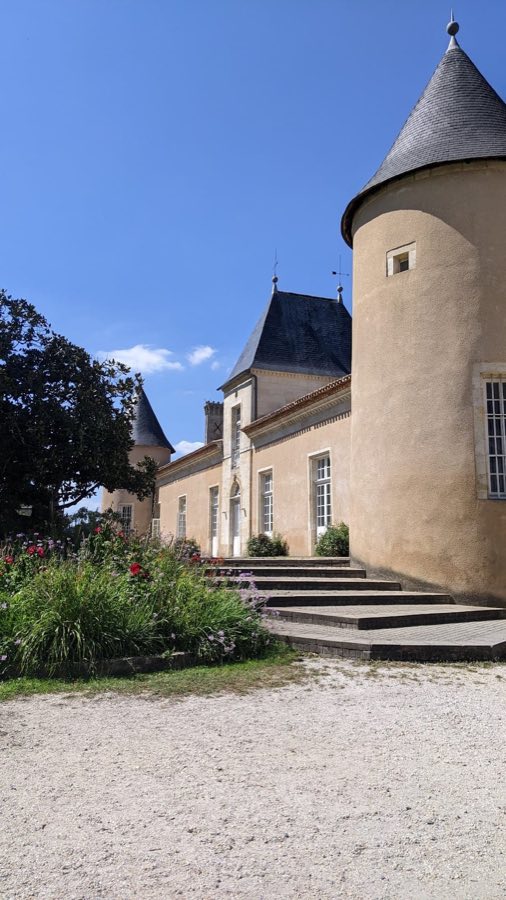
Winemaking and storage facilities include a circular barrel cellar completed in 1987, with capacity for about 2,200 oak barrels, reflecting a modern phase of infrastructure development. Estate buildings suffered partial damage during the Second World War and were subsequently restored under postwar stewardship, producing the repaired and maintained complex seen in later decades.
No. 56884
No. 59038
No. 15458
No. 36402
Comments
Comments for Château Lafite Rothschild will require a verified account before posting.
We'll send a verification link before your first comment is published.