No. 15254
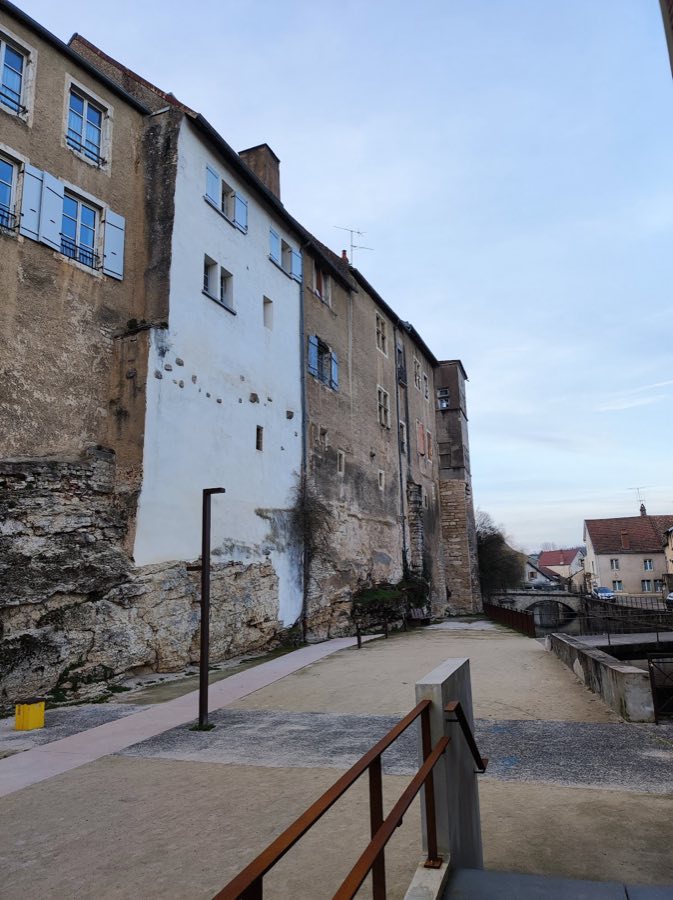
Château de Marnay
France
ChâteauRestored11th century
No. 37813
Château · France
No. 37813 · 47.266 N, 5.799 E
Quick summary
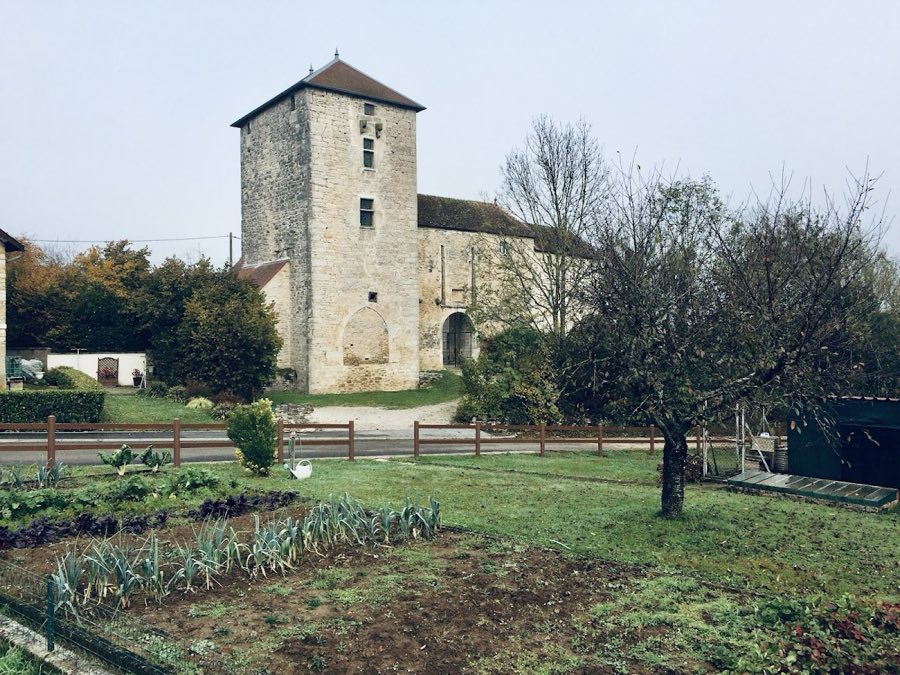
Château de Cordiron, Burgille is a château in Burgille, France with origins associated with the 13th century.
See all castles in FranceThe Château de Cordiron stands at Burgille, France, and was established in the medieval period by local feudal lords. The site first appears in a written bequest of 1237, when Étienne II d’Auxonne left the estate to his illegitimate son Étienne d’Oiselay; the central square keep is dated to the 1200s and the holding thereafter functioned as a local seigneurie. The locality retained the name Cordiron until its merger into the commune of Burgille in 1972.
By 1366 the castle belonged to a branch of the Oiselay family, which took the title Lords of Cordiron; that line died out in 1378 and the seigneurie subsequently passed through the families d’Andelot, Ferrière and Balay in the following decades. During the late 1500s the Gorrevod family gradually assumed control, and at the opening of the 1600s the domain was attached to the marquisate of Marnay. In 1584 François de Gorrevod, who bore the title baron of Salins, is recorded as lord of Cordiron; contemporary descriptions note a principal dwelling with a barn and a defensive wall beside the tower, a layout that incorporated a drawbridge and associated bridge works.
In the 1700s the keep served as a local prison while the estate belonged to the de Bauffremont family, descendants of the Gorrevod line. During the 1800s the château was repurposed for agricultural use and suffered extensive deterioration from lack of upkeep. On 16 May 1979 the square tower, the former fortified gate and an internal spiral staircase were placed under heritage protection; that protection was extended by an order of 7 December 2015 to include the platform, the surrounding ditch and remaining sections of the enclosing wall.
From 2001 a programme of restoration work was undertaken: the keep’s roof was rebuilt in 2009 and conservation interventions continued into the 2010s, with further work recorded in 2009 and in spring 2018. The castle today is recognized as one of the last in the region to retain a standing medieval keep, with much of its historic silhouette conserved after these repairs.
The site presents a compact plan: a medieval square keep and a later residential block are linked by fragments of an enclosing wall, and the defensive circuit is marked by a surrounding ditch and a raised platform. The ensemble shows both medieval construction and Renaissance rebuilding, and the formally protected area covers the platform, the ditch and the surviving portions of the outer wall.
The principal surviving element is the 13th-century square keep, built of masonry and strengthened during 21st-century conservation. In 2009 the keep’s roof was reconstructed and interior works installed new windows, stained glass and oak doors; a French oak ceiling on the second floor was rebuilt and a small lean-to against the south face was restored. In spring 2018 two late-Gothic chimneys of the tower were repaired. The keep’s reuse as a prison in the 1700s is part of its documented history and today it stands restored with much of its historic form maintained.
Adjacent to the keep is a residential block erected in the 1500s and rebuilt in a Renaissance phase on two floors; a 16th-century spiral staircase survives within. A barn beside this dwelling is recorded in the 1584 sources. Modern conservation of the residence has included window insertion and repairs to exterior masonry. The former fortified gate into the enclosure also survives and was among the elements protected in 1979.
Remnants of the defensive circuit remain visible around the buildings: sections of the enclosing wall survive with traces of the medieval drawbridge arrangement that once linked the keep and the later dwelling. The protected zone includes the ditch and raised platform that formed part of the castle’s defences. Recent restoration campaigns have consolidated much exterior wall fabric, leaving a mixture of conserved masonry and fragmentary wall remains that together convey the site’s long history.
No. 15254
No. 80665
No. 16980

No. 69133
Comments
Comments for Château de Cordiron, Burgille will require a verified account before posting.
We'll send a verification link before your first comment is published.