No. 84410
Château d'Abbans-Dessus
France
ChâteauRuin11th century
No. 16980
No. 16980 · 47.170 N, 5.893 E
Quick summary
Château de Torpes is a château in France with origins associated with the 13th century.
See all castles in FranceChâteau de Torpes stands in Torpes, France, and was established by the medieval seigneurs of the Montferrand family.
From the 13th century into the 15th, the castle belonged to the sires and lords of Montferrand and formed part of a group of fortified holdings that included Montferrand-le-Château, Thoraise, Corcondray, Fourg and Avanne. In 1333 Guillaume I of Thoraise, a member of the Montferrand line, acquired the estate. He took part in negotiations between the king of England and the dukes of Burgundy during the Hundred Years’ War.
In 1492 the complex was set on fire by Maximilian, an action recorded as punishment for the support given by the chatelaine to King Louis XI. The Montferrand/Thoraise family line is recorded as ending in 1494 with the death of Claude de Thoraise, called the Dame de Torpes.
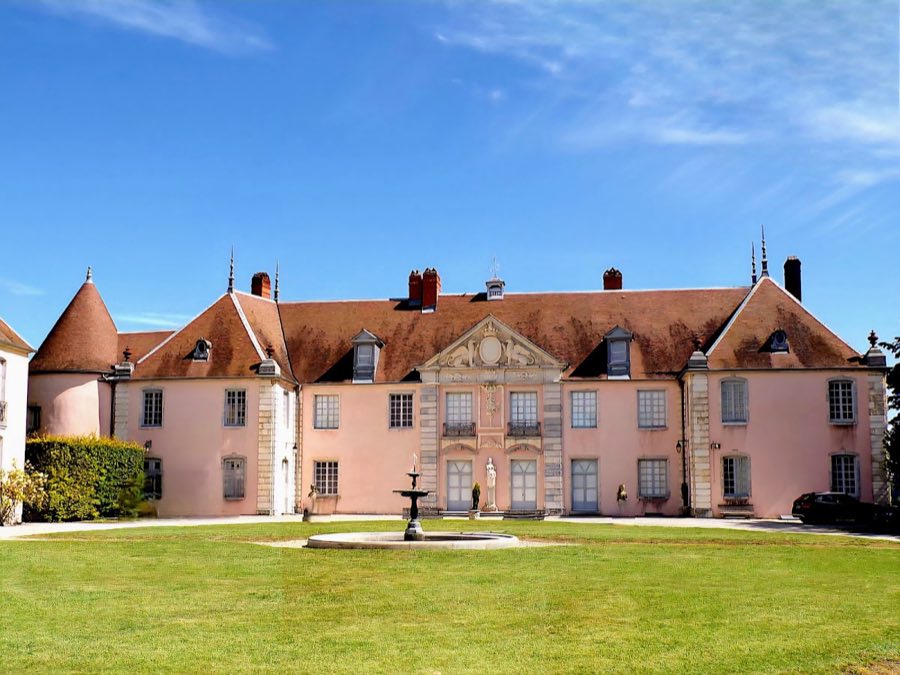
By 1735 the château still showed a feudal appearance. In the second half of the 18th century the architect Joseph Galezot made large-scale alterations that removed much of that medieval character, and further smaller changes were made during the first third of the 19th century. The writer Voltaire is said to have stayed at the house in connection with an affair involving the Marquise du Châtelet, who was related to the châtelains. After the French Revolution the property was sold to a forge master, Charles Saint, and it has remained in that family’s possession up to the present. From the mid-20th century onward parts of the building and its estate received legal protection through successive inscriptions and classifications.
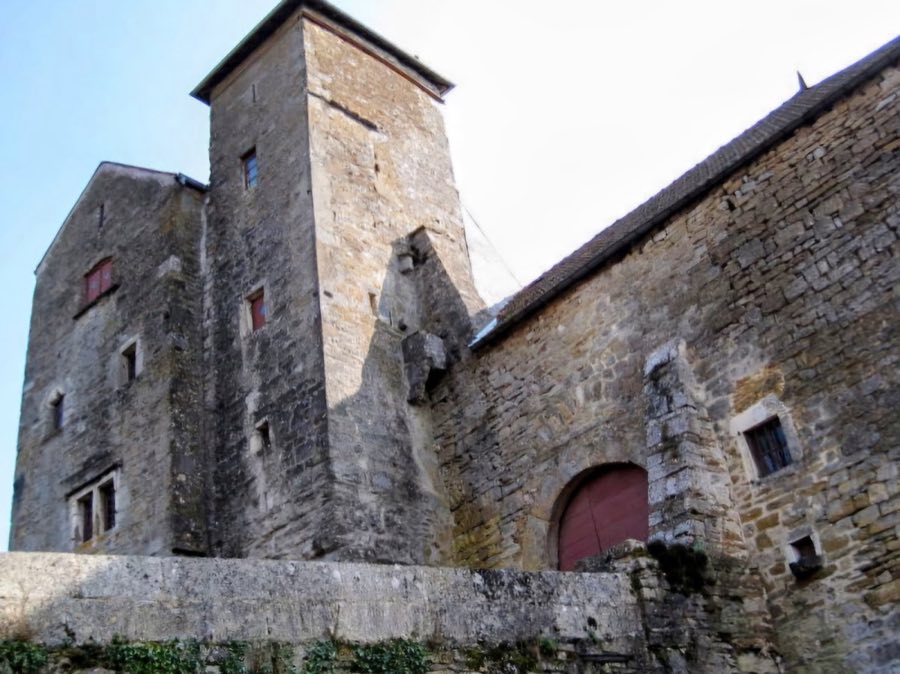
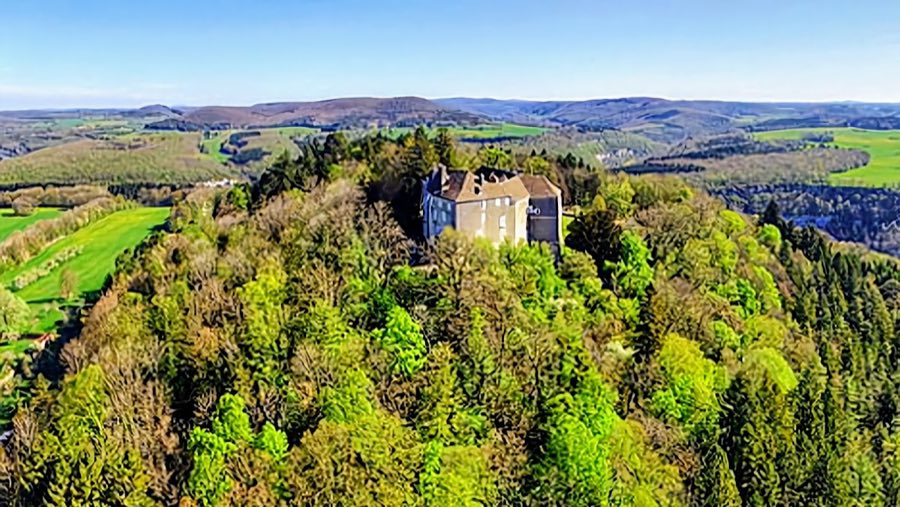
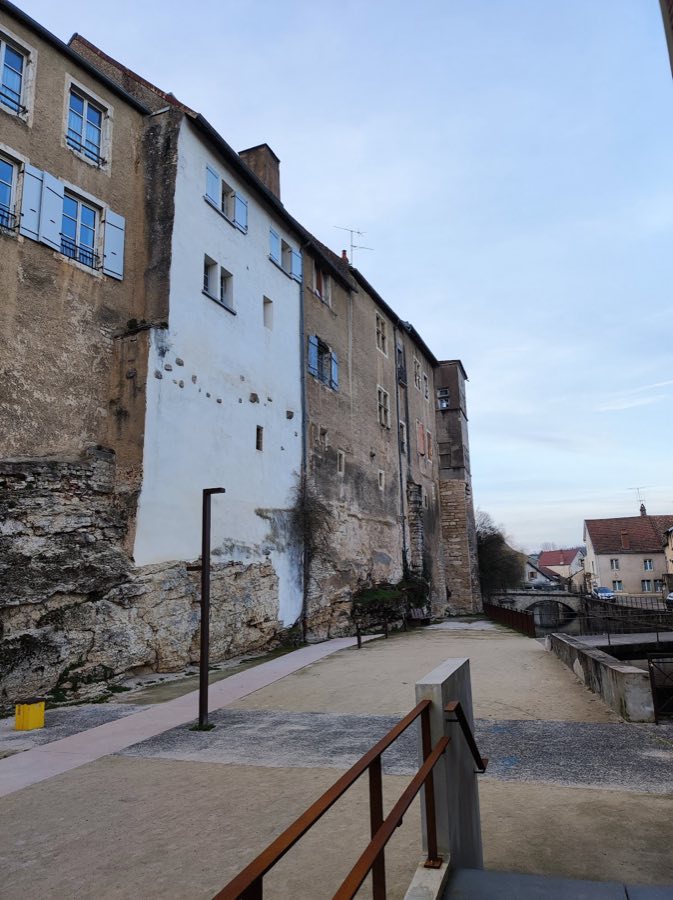
The château occupies a 20 meter high rock on the bank of the Doubs River, a position that defines its overall layout and siting. Surviving elements combine very early masonry and later domestic fittings, and several components are officially protected for their historical value.
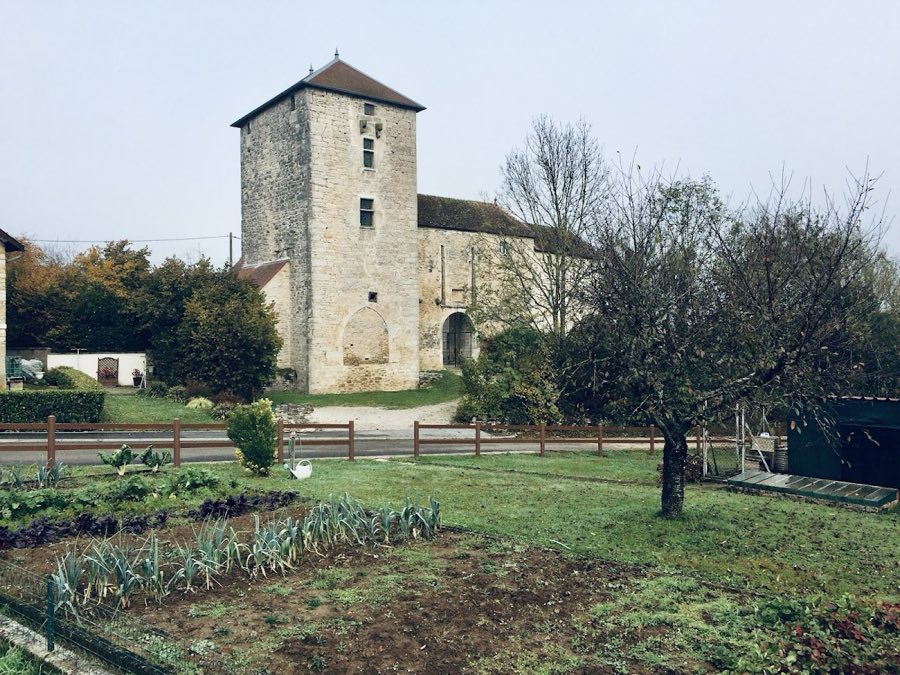
The kitchen and the lower works of the corner defensive towers are identified as dating to the 13th century. These basement and service areas are archaeologically attributed to that century and were among the first parts to receive historic-monument protection in 1949, a recognition that covers their continued presence within the building’s ground plan.
The main house shows layers of change visible in its exterior and principal reception spaces. The façades and roofs of the central dwelling, the entrance grille and the ground-floor hall were recorded in 1949 as significant. Interior woodwork in a Louis‑XVI style decorates a salon and is likewise protected; an eighteenth-century fireplace is noted among the interior decorative elements. These features reflect 18th-century remodelling of the residence that reshaped its appearance from an older fortified manor into a more modern dwelling.
The agricultural and garden components of the estate are documented and protected as a group. In 1992 the façades and roofs of the farm buildings and the garden boundary wall were inscribed for preservation. In 1993 the principal living block (corps de logis), a small attached lodging often called a petit hôtel, and a set of exterior elements were classified. That classification covers the formal garden with its straight alley, a fruit orchard, a water basin, the cour d’honneur and terrace, the estate portals and metal grilles, and hydraulic installations that served the grounds. The 1993 designation also covers interior decorative items linked to the 18th-century remodelling.
Physical alteration of the site is documented in the surviving fabric. Large-scale works by Joseph Galezot in the later 18th century are credited with removing the castle’s original feudal appearance, while modest changes in the early 19th century further modified the ensemble. Today the château remains in private ownership and many of the named architectural and landscape components are conserved under official historic protections granted in 1949, 1992 and 1993.
No. 84410
No. 37813
No. 61596
No. 15254
Comments
Comments for Château de Torpes will require a verified account before posting.
We'll send a verification link before your first comment is published.