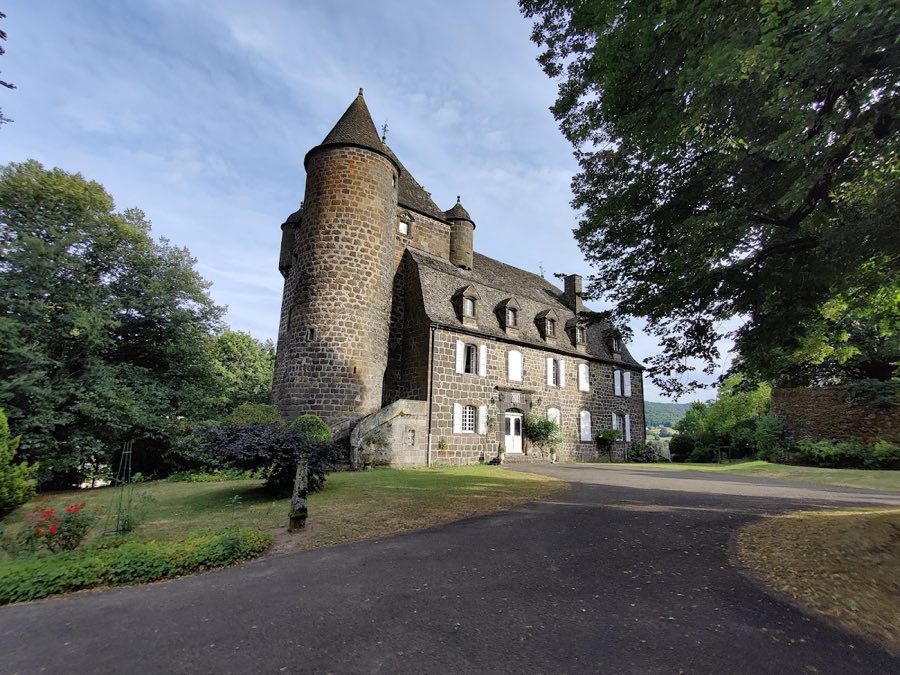
No. 57092
Comblat-le-Château
France
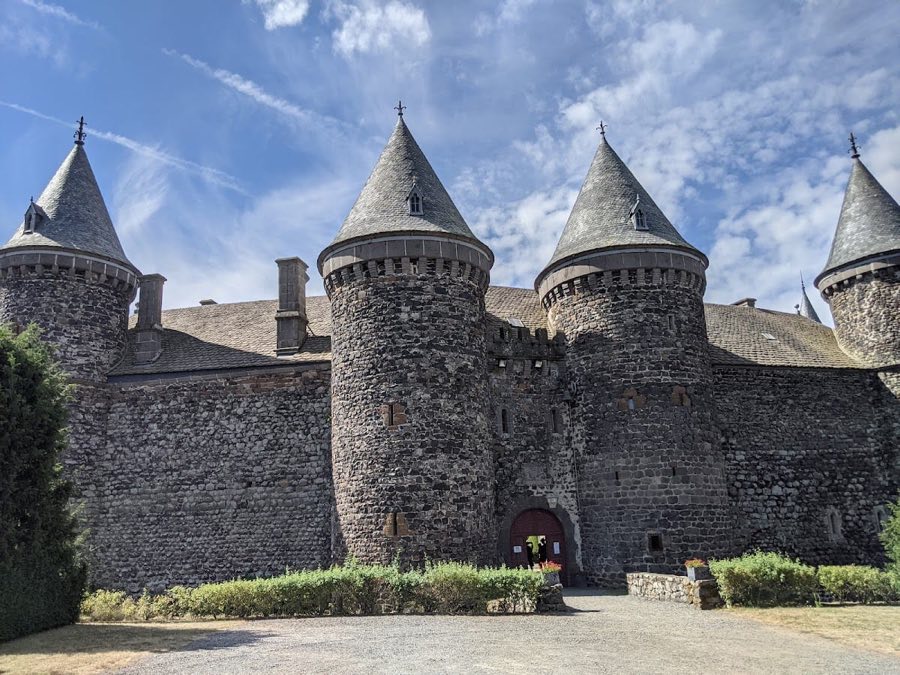
ChâteauIntact14th century
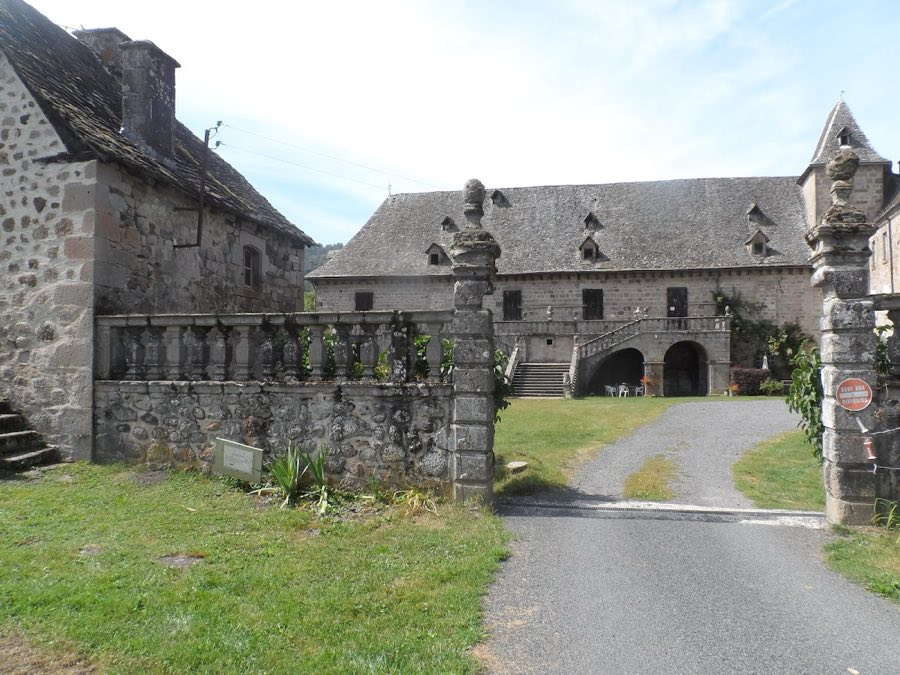
No. 20012
Château · France
No. 20012 · 44.923 N, 2.661 E
For events
Château de Cropières is marked as a château or castle venue lead. Capacity, indoor/outdoor spaces, catering rules, and accommodation options are published only after public verification.
Event types: Private events, Cultural gatherings, Filming and photography
Quick summary
Château de Cropières is a château in France with origins associated with the 13th century.
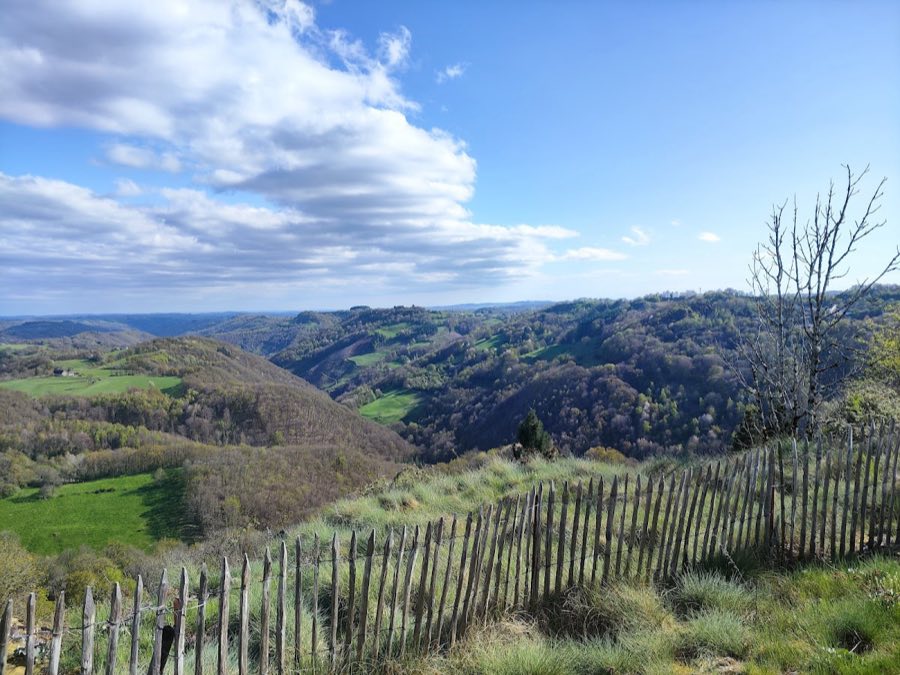
See all castles in FranceChâteau de Cropières stands in Coronini, France, and was erected in the medieval period by local feudal lords as a fortress to defend the valley of the Goul.
The site first appears in the records in the 13th century, with Aymar de Cropières recorded as owner in 1263. The de Cropières family remains documented into the 14th century, with Pierre de Cropières mentioned in 1362. English troops attacked and destroyed the fortress in 1381, after which rebuilding took place.
Ownership then passed to the Montjou family from the 14th century until 1508. In 1508 the estate moved to the Fontanges family, who held it until 1616. The Scorailles family acquired the property in 1616 and retained it until 1746. During the Scorailles tenure the château saw major reconstruction and enlargement. Annet Joseph de Scorailles, marquis de Roussilhe, carried out extensive work between 1677 and 1720, and his son Louis Théodose de Scorailles carried out the principal building campaign around 1720 that produced the unified appearance of the house.
Marie-Angélique de Scorailles, later duchess of Fontanges, is recorded as having been born at Cropières in 1661. One account also reports the birthplace of Jean Rolland, later bishop of Amiens, as Cropières. In 1746 the Valady family became owners and kept the château until 1906. Revolutionary events led to partial abandonment; in 1793 the comte de Valady left Cropières and did not return. The Chefdebien family has owned the property since 1906.
The château, its outbuildings and gardens were placed under legal protection as a historic monument on 5 May 1986. After a long period of neglect the property entered a program of consolidation and repair in the early 21st century, driven by an association created to raise funds and stabilize the fabric. The house is not open to visitors.
The present complex develops in an L shape around a rectangular courtyard that is closed on the east side by a gateway set between two pavilion buildings. The masonry construction and the formal arrangement reflect repeated rebuilding from the medieval fortress into a largely domestic ensemble. Vaulted rooms survive within the older north range, and balustraded terraces once bordered the principal elevations.
The south side, which once stood between the entrance courtyard and formal gardens now lost, retains a retaining wall that provided a raised promenade where a balustrade once ran. A terrace off the principal west living range was also originally edged by a balustrade, indicating planned external circulation and views between house and grounds.
Survivals of the medieval fortress concentrate in the west part of the north wing. At that location the north living range preserves a significant masonry feature between vaulted chambers that may be a fragment of the original defensive fabric. About a century ago a section of the north wing that contained the chapel was removed because it had fallen into poor condition.
The west wing dates to the 17th century and is formed of a ground level formerly used as stables with a single large reception room above. That upper room was lined with wall panelling which today survives only in a ruined state. A monumental stair rises from the ground to the terrace above, and the terrace edge is finished with a balustrade whose central pedestal supports a bust portraying Louis XIV in the guise of the god Mars. Sculpted recumbent lions flank the base and both sides of the stair. Overall the fabric shows areas altered or rebuilt during the 17th–18th century campaigns, parts weathered by long abandonment, and sections undergoing consolidation in recent years.
No. 57092
No. 46831
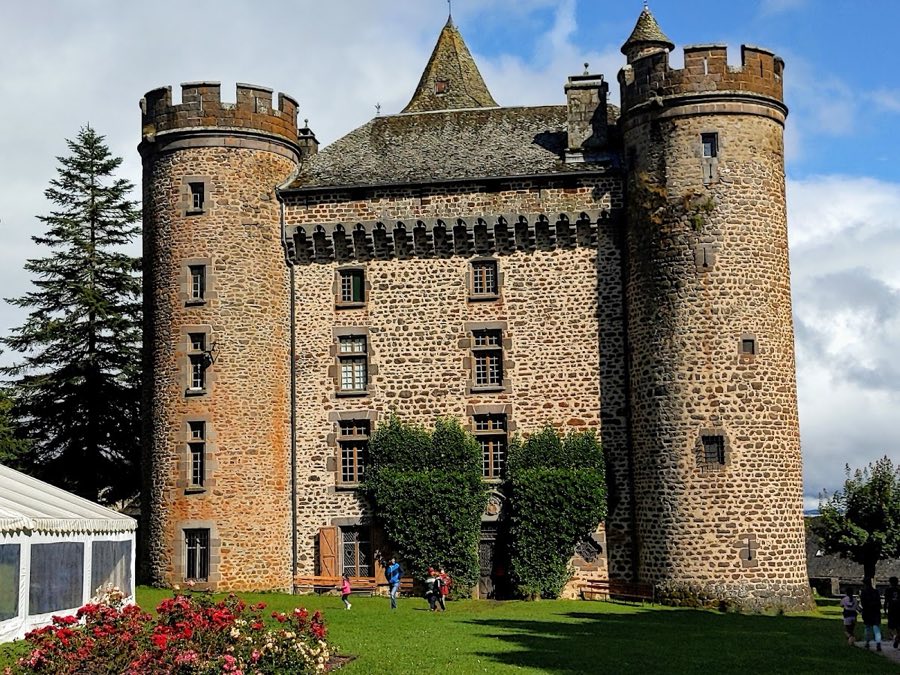
No. 38757
No. 52821
Comments
Comments for Château de Cropières will require a verified account before posting.
We'll send a verification link before your first comment is published.