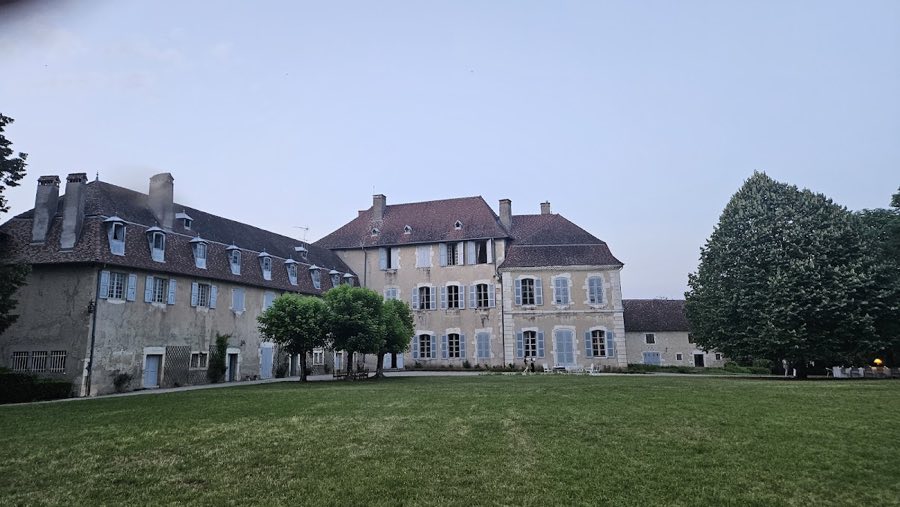
No. 94164
Château de Brangues
France
ChâteauIntact14th century
No. 49768
Château · France
No. 49768 · 45.591 N, 5.536 E
For rent
Château de Faverges-de-la-Tour is marked for bookable castle accommodation. Nightly pricing, sleeps count, stay rules, and amenities are displayed only when public operator data is available.
Rental type: Hotel / bookable stay, Short-stay rental
Short-term availability: Bookable accommodation signal
Quick summary
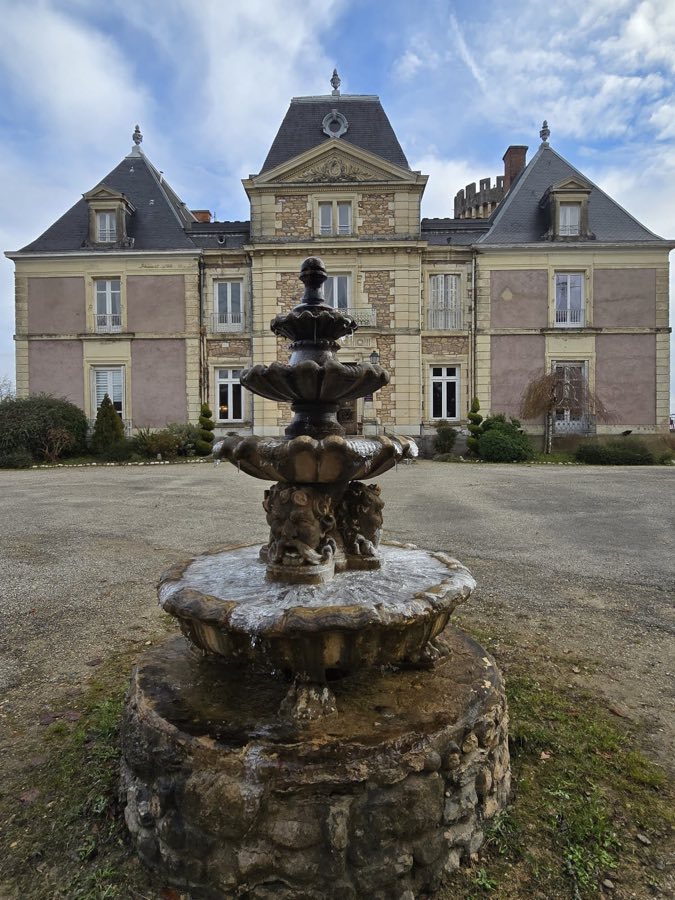
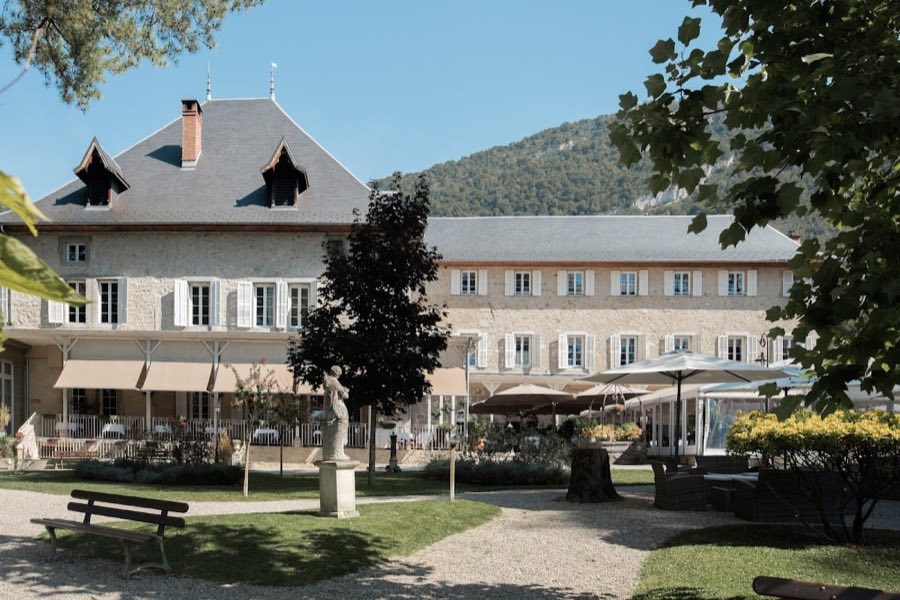
Château de Faverges-de-la-Tour is a château in France with origins associated with the 14th century.
See all castles in FranceThe Château de Faverges-de-la-Tour stands in the municipality of Faverges-de-la-Tour in France and was originally constructed by medieval European builders. Its origins date back at least to the 14th century, though evidence suggests that an earlier establishment may have existed on the site before then. From 1230 onward, the castle belonged to the Virieu family, an influential lineage that held significant local power.
Situated along key medieval routes, the castle occupied a strategic position controlling the “via Favergeysia,” a road connecting the towns of Vienne, Aoste, and Chambéry, as well as overseeing the route linking Morestel to Evrieu. This location made the château an important hub for monitoring travel and trade during the Middle Ages. The surrounding parish originally carried the name Saint Barthélemy, but around the end of the 13th century, it was renamed to reflect the castle’s growing prominence, a change which coincided with a communal division in the area.
In the 19th century, specifically between 1850 and 1885, the château underwent significant restoration led by the architect Bresson. These renovations embraced a style inspired by Italian architecture and included the addition of a ring of machicolations—openings in the battlements designed for defensive purposes—around the main tower. These 19th-century modifications altered the medieval fortress’s character while attempting to reinforce its historic defensive features.
During the French Revolution, the southeastern tower, which had served as a watchtower, was deliberately lowered to the level of the building’s roof. This act symbolized the revolutionary principle of equality by reducing the imposing height that once distinguished the tower. The château later transitioned into other uses; up until 2004 it operated as part of a prestigious hotel chain, and since 2005, it has functioned chiefly as a venue for corporate seminars.
The Château de Faverges-de-la-Tour is enclosed within defensive walls that follow the contours of a steep slope, supported by a long vaulted terrace. This terrace, constructed to reinforce the hillside, exemplifies medieval engineering designed to strengthen the fortress’s defenses. The entire enclosure reflects an integration of later architectural elements, indicating ongoing adaptations over several centuries.
Among the outbuildings attached to the château, vaulted stables survive, built in the 18th century. One window within these stables bears the date 1732, providing a clear marker for this phase of construction. The vaulting demonstrates practical use of space and structural stability suited to the needs of a working estate during that period.
A prominent feature is the southeastern corner tower, originally serving as a lookout post. Although lowered during the Revolution to diminish its height, it retains elements that connect to earlier and later periods. In the 19th century, machicolations—projecting parapets with openings to defend against attackers—were added around this tower. During the same period, at least one turret was built but soon collapsed, while another remains intact, reflecting both the ambitions and challenges of the 19th-century restorations.
The château exhibits a blend of architectural details spanning the 15th, 17th, and 18th centuries, which creates a layered historical record embedded in its walls and structures. These multiple construction phases illustrate the site’s continuous occupation and adaptation, marking it as a complex monument shaped by centuries of changing tastes, defensive needs, and functions.
No. 94164
No. 49132
No. 37753
No. 56764
Comments
Comments for Château de Faverges-de-la-Tour will require a verified account before posting.
We'll send a verification link before your first comment is published.