No. 76237
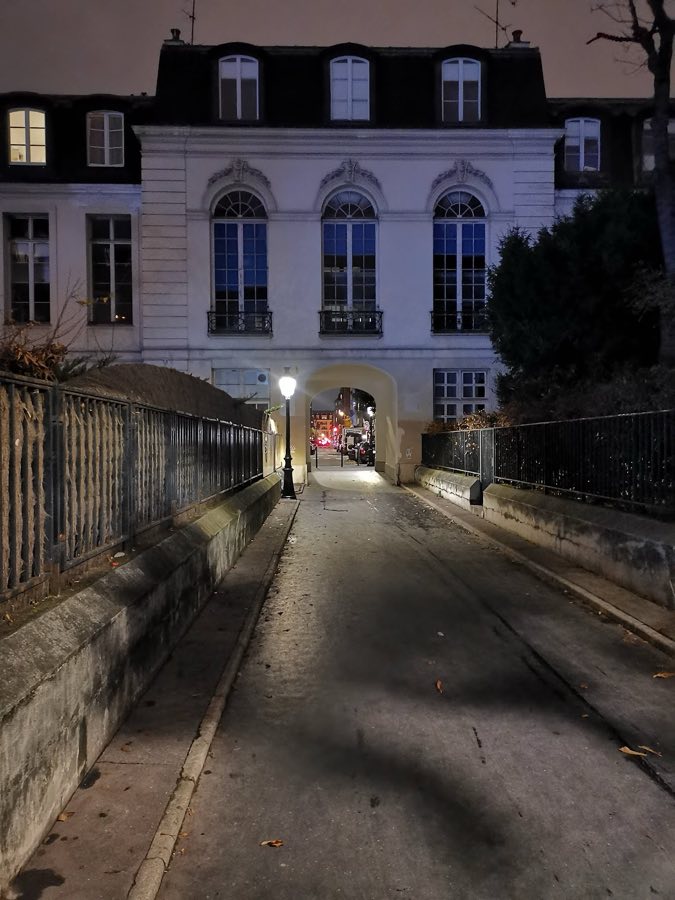
Château des Ternes
France
ChâteauRestoredFor sale14th century
No. 35136
Château · France
No. 35136 · 48.874 N, 2.255 E
For sale
Château de Madrid in France is marked with a public sale signal. Asking price, tenure, land area, floor area, and room counts are shown only after public verification.
Status: Public sale signal
Price: Price on application or not publicly verified
Property type: Château / Chateau
Notable features: Restored historic fabric, Residential use, Museum or cultural use, Public-access operations
Availability note: Submit an official public listing or register buying interest to complete the sale record.
For events
Château de Madrid is marked as a château or castle venue lead. Capacity, indoor/outdoor spaces, catering rules, and accommodation options are published only after public verification.
Event types: Private events, Cultural gatherings, Filming and photography
Quick summary
Château de Madrid is a château in France with origins associated with the 16th century.
See all castles in FranceThe Château de Madrid in Neuilly-sur-Seine, France, was built for the French royal court in the first half of the sixteenth century, during the Renaissance. Erected at the edge of the Bois de Boulogne, it served as a royal suburban residence and became one of the principal Parisian palaces of its era, hosting members of the Valois and Bourbon dynasties and taking part in events that shaped late sixteenth-century French politics.
Work on the house began after an order from King Francis I, with construction started between 1527 and 1529. Building continued over several decades and the complex was finished under King Henry II, with completion dates reported around 1552 in some accounts and between 1568 and 1570 in a French account. The project began under Italian craftsmen and later passed to French masters, with management of the works changing in the middle of the century and again at the end of the 1550s.
In the later sixteenth century the palace was a favored Paris residence of King Charles IX and his mother, Catherine de’ Medici. The château figured in the political atmosphere that immediately preceded the St. Bartholomew’s Day Massacre of summer 1572, an episode of mass violence that deeply affected French religious and political life. In the early seventeenth century Marguerite de Valois lived there after her return to favor, before August 1605, and King Louis XIII used the house during the 1610s. King Louis XIV did not visit the residence, and after Versailles became the royal seat the palace ceased to play a role in national politics.
During the mid-seventeenth century the site acquired a factory producing silk stockings, with foundation dates given as either 1656 or 1666, and the enterprise employed 79 journeymen by 1672. In the years of the Regency, a daughter of the Regent, Marie Louise Élisabeth d’Orléans, is recorded as having lived at the property. By the late eighteenth century the château had fallen into decay. An arrêt du Conseil signed by King Louis XVI in 1787 ordered sale for demolition. The property was assigned to demolition contractors on 27 March 1792, though some accounts give that adjudication as 27 March 1793. The purchaser, named Leroy, removed woodwork, lead and enamelled terracotta panels but did not complete clearance, and he relisted the estate for sale on 27 July 1792 without finding a buyer.
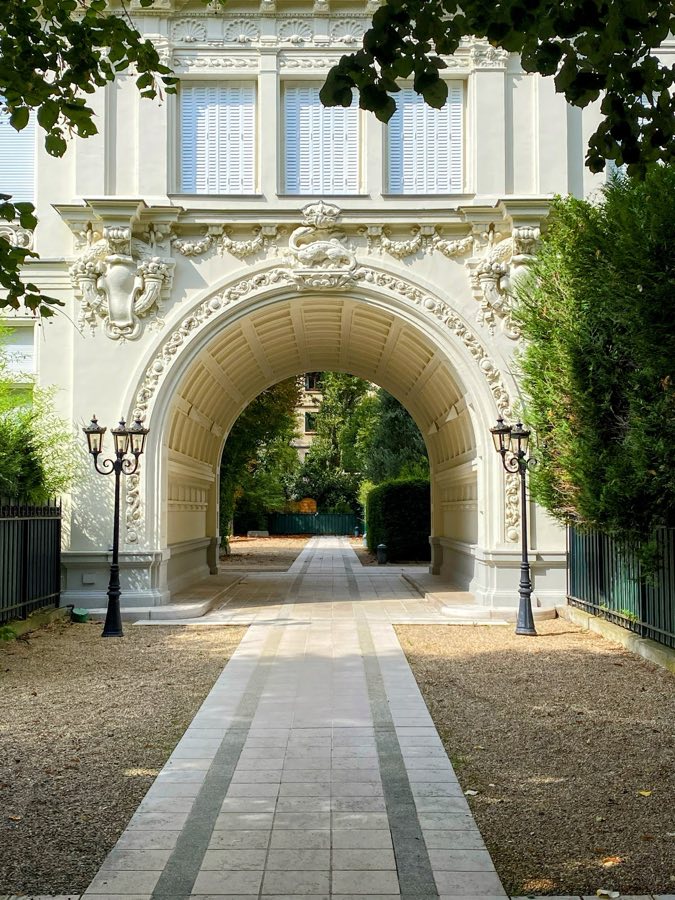
Under the Restoration the estate was divided into parcels and the building disappeared progressively from the landscape. Subsequent uses on the former grounds included a clinic and a stud farm. A restaurant erected in the area of the former service buildings was rebuilt in 1909 in a neo-Renaissance style and that structure was later converted into housing in the 1950s.
The palace once presented a long central range with two-storey open galleries, an H-shaped middle section and large cubic pavilions at each end. The terminal pavilions were finished with corner towers, and the house was protected originally by surrounding ditches that were later replaced by walls. The external surfaces were largely faced with enamelled terracotta, a glazed faience executed in high relief that gave the building a distinctive, richly coloured appearance. The façades also incorporated large enamelled plates mounted on copper made in Limoges, nine of which are held today in the Musée de Cluny.
Archaeological and museum evidence links surviving decorative elements to the fifteenth- and sixteenth-century manufacture used on the palace. Three fragments of enamelled terracotta from the Della Robbia workshop are preserved in museum reserves, one set held by the Musée Carnavalet and others in the collections of the Sèvres national ceramic museum. These fragments are composed of glazed earthenware with high-relief modelling and show the typical vibrant glazing technique used for the château’s exterior ornament.
A single stone capital from the building survives in a museum collection and is displayed at the Château d’Écouen. The capital, carved from stone, functioned as an architectural head for a column during the sixteenth-century construction. Its material and carving link it to the original decorative program of the palace, and today it exists as a movable museum object rather than in its original setting.
The site itself was largely cleared in the 1790s and later groundworks removed the principal foundations, after which the land was built over for new uses. The documented decorative fragments and the stone capital, preserved in museums, provide the only physical testimony of the building’s original materials and ornamental techniques.
No. 76237
No. 42869

No. 85803
No. 90375
Comments
Comments for Château de Madrid will require a verified account before posting.
We'll send a verification link before your first comment is published.