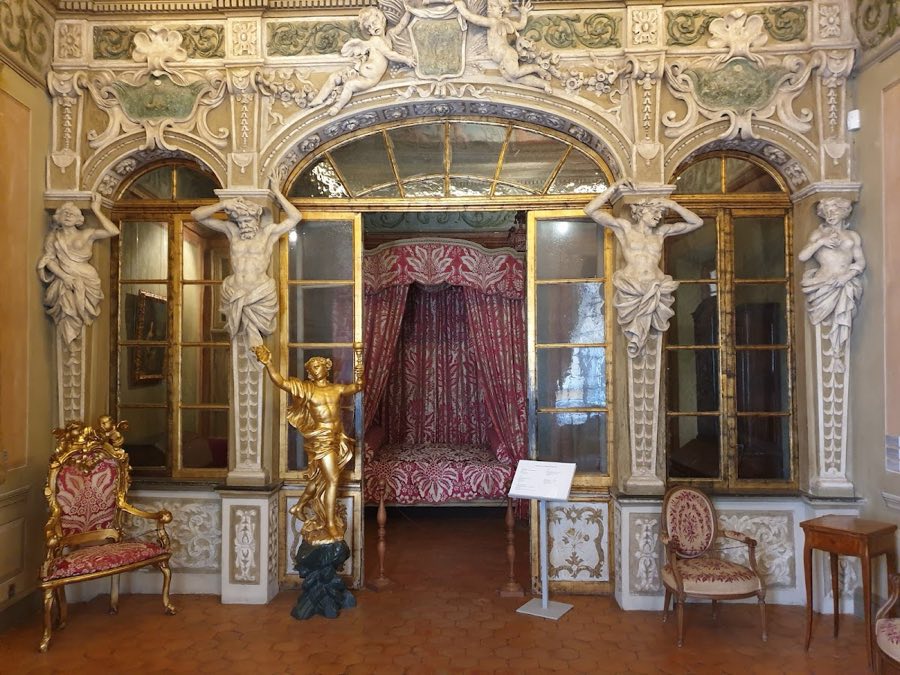
No. 61757
Palais Lascaris
France
PalaceRestored17th century
No. 71313
Château · France
No. 71313 · 43.679 N, 7.110 E
For events
Château de Montfort is marked as a château or castle venue lead. Capacity, indoor/outdoor spaces, catering rules, and accommodation options are published only after public verification.
Event types: Private events, Cultural gatherings, Filming and photography
Quick summary
Château de Montfort is a château in France with origins associated with the 20th century.
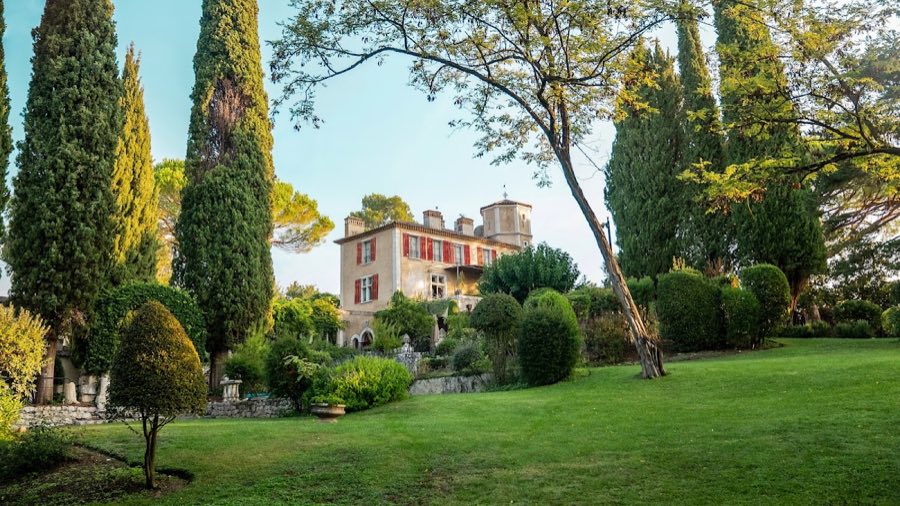
See all castles in FranceChâteau de Montfort stands in La Colle-sur-Loup, France, and was built by the medieval feudal society that controlled the area.
The estate dates back to the 1200s when it functioned as a feudal stronghold. In 1230 the property belonged to Romée de Villeneuve, who served as grand seneschal of Provence. This early phase establishes the site within the network of noble holdings that governed local territory in the later Middle Ages.
In 1501 Jean-Antoine II de Lascaris, count of Tende and Vintimille, acquired the property and granted it as a dowry to his daughter Anne Lascaris upon her marriage to René de Savoie, known as the Grand Bastard of Savoy, count of Villars. René de Savoie had been legitimized in 1499 by his half-brother Philibert II, an act that was later contested after Philibert remarried Marguerite of Austria. René subsequently lost some Piedmontese fiefs following a trial, while he kept the counties of Tende and Villars and performed homage to King Louis XII in 1509; these events framed his standing as a noble proprietor in the region.
René rebuilt the residence in the early 1500s to serve as a hunting relay, and his arms were placed at the main entrance. A plaque at the doorway marks a hunting meeting dated 1523. The castle passed to his son Claude de Savoie (1507–1566), who in 1538 hosted King François I there during discussions connected to the peace of Nice.
Over the centuries the building was preserved and enlarged. The French state listed the site as a protected historic monument by decree on 26 December 1969. In the late 20th century the property belonged to industrialist Gustave Ecrepont; in 1995 watchmaker Séverin Wunderman acquired the house, carried out a program of renovation and transformation, exhibited a collection of works by Jean Cocteau across the castle’s rooms, had an artist-designed swimming pool installed, and later donated part of that collection to the Musée Jean-Cocteau — Collection Séverin Wunderman in Menton.
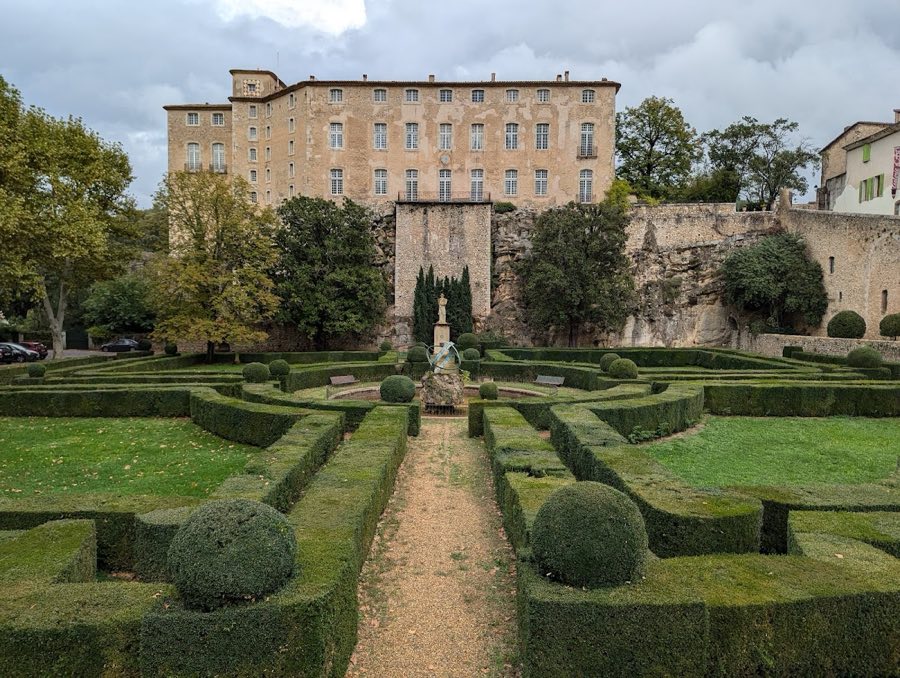
The ensemble presents a building whose outward appearance reflects Renaissance rebuilding while retaining its origin as a medieval castle. The principal façade carries Renaissance features attributable to the early 1500s campaign of alteration, and the structure shows evidence of successive enlargements made over later centuries.
At the main entrance visitors encounter heraldic display tied to the early 16th century. The doorway bears the coat of arms associated with René de Savoie and is accompanied by a plaque indicating a hunting meeting dated 1523. These entrance elements link the exterior face of the house to its role as a hunting relay in that period.
Inside, a principal reception room serves as the hall of honor and contains a beam-supported ceiling and a large fireplace that carries René de Savoie’s arms. This room reflects the interior fittings introduced or emphasized during the Renaissance phase of work and survives in situ as a notable interior feature.
A spiral staircase set within a projecting turret provides vertical circulation between floors. The stair and its enclosing turret remain part of the preserved circulation layout and illustrate the survival of fortified-house elements adapted for a gentrified residence.
On one landing a chapel area preserves an altar topped by wall paintings. The altar and its frescoed decoration survive in place and represent the site’s retained religious appointment within the domestic arrangement.
The house comprises a sequence of twelve chambers that were used in recent decades to display a private collection. During the ownership of Séverin Wunderman an artist-designed swimming pool was added to the property. Overall the structure shows continuous care: major rooms, decorative features, and later additions remain extant, reflecting preservation and enlargement across time.
No. 61757
No. 34802
No. 56101
No. 34082
Comments
Comments for Château de Montfort will require a verified account before posting.
We'll send a verification link before your first comment is published.