No. 83464
Château de Vins sur Caramy
France
ChâteauRestoredFor events16th century
No. 34082
Château · France
No. 34082 · 43.516 N, 6.243 E
For events
Château d'Entrecasteaux is marked as a château or castle venue lead. Capacity, indoor/outdoor spaces, catering rules, and accommodation options are published only after public verification.
Event types: Private events, Cultural gatherings, Filming and photography
Quick summary
Château d'Entrecasteaux is a château in France with origins associated with the 11th century.
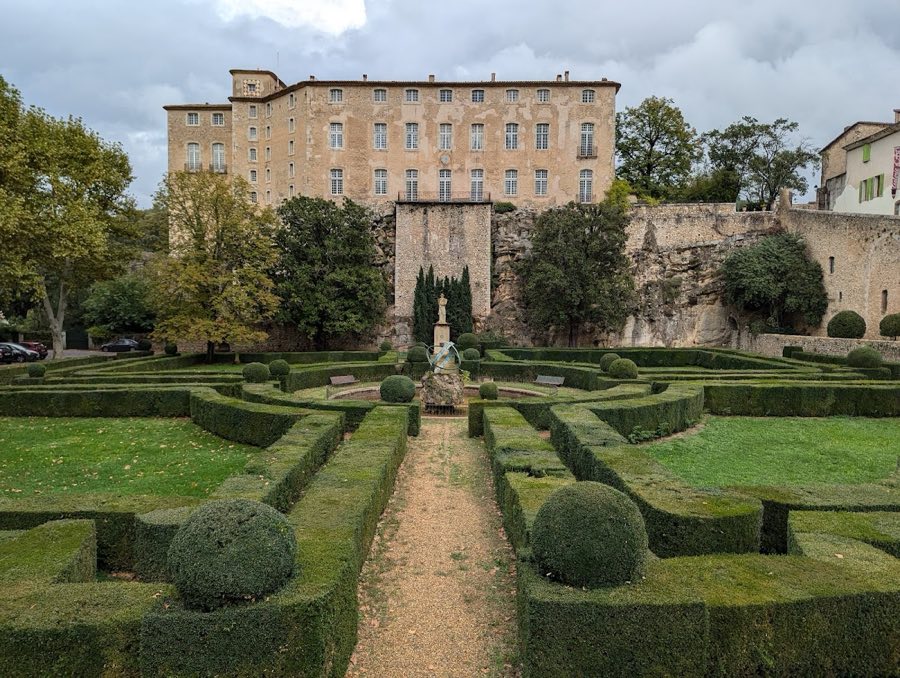
See all castles in FranceChâteau d’Entrecasteaux in Entrecasteaux, France is a former fortress dating to the 11th century and built during the medieval period. The core stronghold originated in that century and then underwent major remodelling in the 15th, 16th and 18th centuries, giving the site a complex sequence of medieval and later historic phases. The château has figured in regional high society and naval history because of its residents and the events connected with them.
The medieval fortress formed the nucleus around which later alterations were made. Stonework and defensive layouts from the original 11th‑century foundation were adapted and expanded during successive rebuilding campaigns in the late Middle Ages and the early modern era. These campaigns changed the building’s internal arrangement and external appearance while retaining its dominant position above the village.
The 18th century brought both architectural and landscape development. A garden laid out in the style of André Le Nôtre, with a completion date recorded on the entrance gate as 1781, was added beside the château. Members of several notable families occupied the house during this period. François de Grignan, who was the son‑in‑law of Madame de Sévigné, lived there. Two members of the d’Entrecasteaux family were born at the property: Antoine Bruny d’Entrecasteaux in 1737 and Jean Baptiste, Marquis d’Entrecasteaux, in 1761. Antoine d’Entrecasteaux sailed from France in 1791 under orders from King Louis XVI to search for the missing explorer La Pérouse; he died of scurvy and dysentery on 20 July 1793. Jean Baptiste is recorded as having murdered his wife in 1784.
After a period of several decades during which the château stood largely empty, restoration work began in 1974 under the British painter Hugh Ian Macgarvie‑Munn. He carried out careful repairs and converted part of the building into a museum before his death in 1981. The family’s efforts contributed to formal recognition of the site’s heritage value. By decree dated 6 July 1988 specific parts of the property were entered on the supplementary inventory for historic monuments. The current owner, Alain Gayral, has since enhanced the château’s collections and carried out further precise restorations to preserve and present the house and its interiors.
The château sits above the village within an enclosed park and a formal garden, and a terraced landscape connects the building to its grounds. The garden follows the layout inspired by André Le Nôtre and bears a gate inscription that records its completion in 1781. This landscaped setting and the terraces form an integral part of the site’s eighteenth‑century arrangement.
The exterior envelope of the building, including its façades and roofs, is explicitly protected and has been preserved through recent repairs. Approaches to the house include access ramps that negotiate the change in level from the village up to the château, and a former gatehouse marks the historic entrance. Portals and the exterior ironwork, both functional and decorative, survive and were included among the elements given formal protection in 1988.
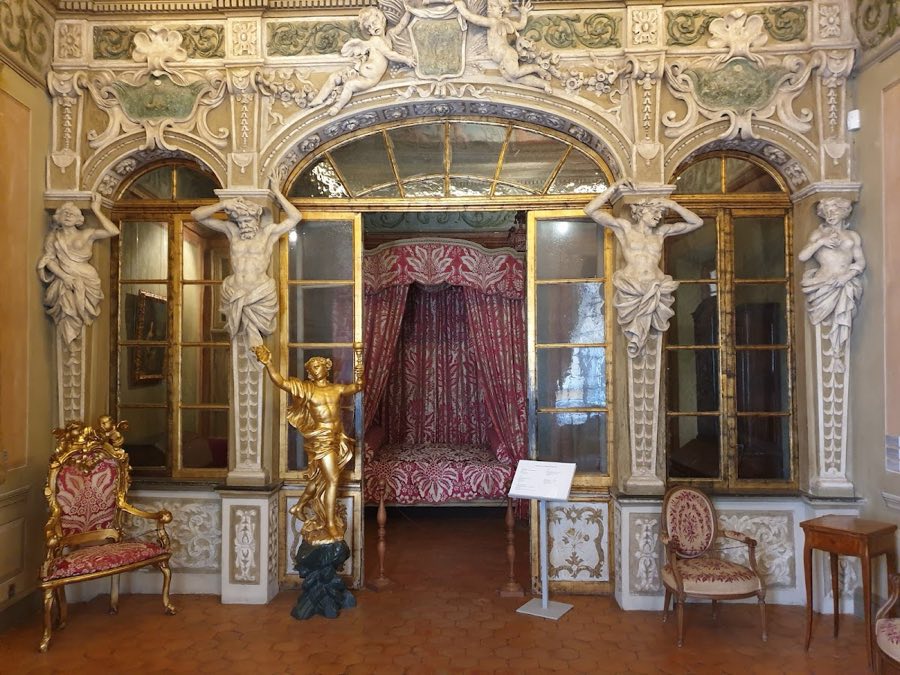
Within the house several principal interior features are conserved. Three reception rooms, each fitted with original fireplaces, are maintained as important historic spaces. A large, central interior stairway remains a defining circulation feature and has been preserved during the restorations. Ancillary service structures on the grounds include an icehouse, used historically for cold storage, which is recorded as part of the ensemble and retained in situ. Restoration and museum conversion work carried out from the 1970s onward have stabilised and refurbished these elements, and later conservation by the present owner has continued that process.
No. 83464
No. 80098
No. 71313
No. 61757
Comments
Comments for Château d'Entrecasteaux will require a verified account before posting.
We'll send a verification link before your first comment is published.