No. 19215
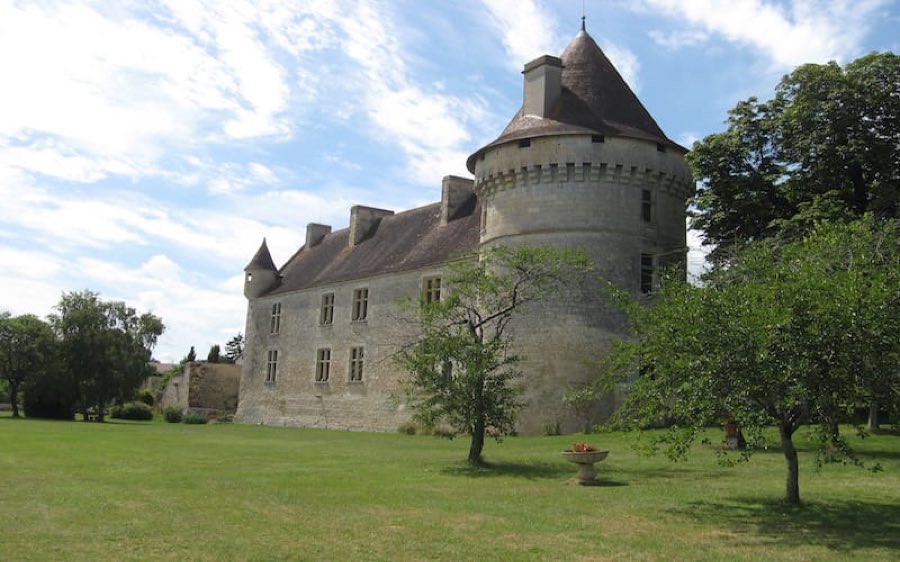
Château de Bayers
France
ChâteauRuin11th century
No. 56382
Château · France
No. 56382 · 45.983 N, 0.231 E
Quick summary
Château de Verteuil is a château in France with origins associated with the 19th century.
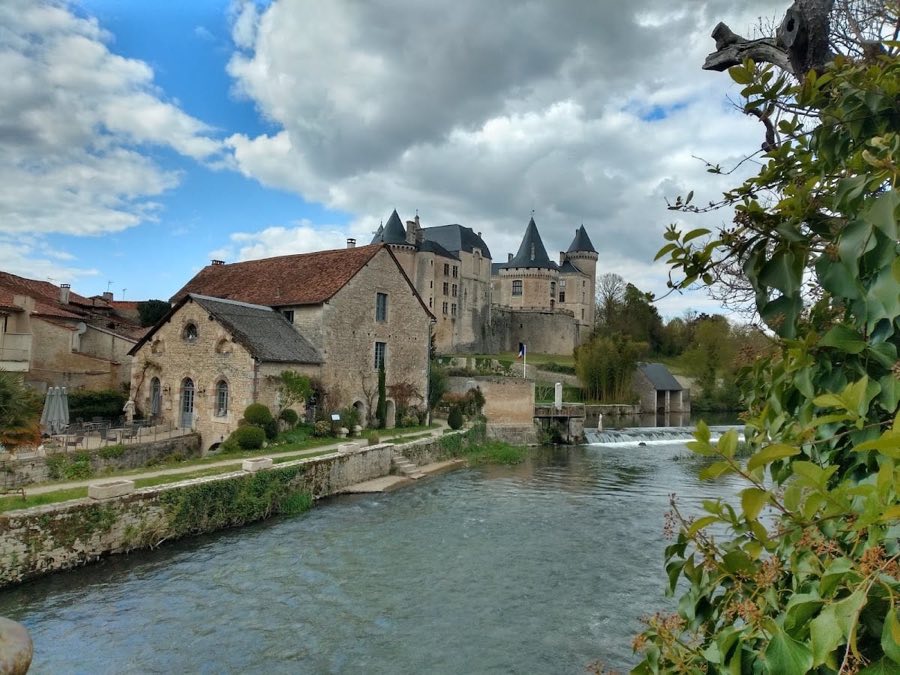
See all castles in FranceThe Château de Verteuil is located in Verteuil-sur-Charente, within the Charente department of southwestern France. Founded in 1080, it was established by the La Rochefoucauld family, who maintained ownership for nearly a thousand years. The castle occupied a strategic position controlling the route between Limoges and La Rochelle, marking the border between the Limousin and Saintonge provinces during the medieval period.
Throughout the Hundred Years’ War (1337–1453), the château was a contested stronghold. It changed hands multiple times, falling under English occupation on several occasions. In 1442, the castle was demolished but was swiftly rebuilt using its original stones, underscoring its military importance. The medieval chronicler Jean Froissart described it as a formidable fortress guarding a key frontier.
In the 16th and 17th centuries, during the French Wars of Religion, the castle became a center for the Huguenots, French Protestants. It notably hosted the sixth national synod of the Reformed Church of France in 1567, reflecting its role as a religious refuge and meeting place amid the conflict between Catholics and Protestants.
The château suffered damage again in 1650 during the Fronde, a series of civil wars in France. Royal forces besieged the castle, partially destroying its walls, towers, and drawbridge. The defensive ditch was also partly filled in, reducing its military defenses.
In 1793, during the French Revolution, a fire severely damaged the château. The blaze destroyed galleries, parts of the chapel, and much of the interior, though the crypt beneath the chapel survived intact. This event marked a significant loss to the castle’s historical fabric.
The 19th century saw a romantic-style restoration led by Hippolyte de La Rochefoucauld. Renovations included decorative window elements, the addition of false arrow slits, two new southern towers, and modifications to the chapel. In 1893, architect Frantz Jourdain transformed the large eastern tower into a two-floor library, drawing inspiration from the work of Eugène Viollet-le-Duc, a prominent restorer of medieval architecture.
During World War II, the château served multiple roles. It housed French troops and refugees before being occupied by German forces for several months. Later, it became a refuge for members of the French Resistance, linking the site to the struggle against occupation.
After the war, archaeological excavations uncovered foundations dating from the 11th to the 13th centuries. These included a room for the drawbridge mechanism and a previously unknown 11th-century lower chapel in excellent condition. These discoveries shed new light on the castle’s early medieval origins.
The château was officially recognized as a monument historique in 1966, with full protection granted in 2010. The La Rochefoucauld family retained ownership until 2021, when the property was sold. Subsequently, part of its historic furniture collection was auctioned.
Historically, the castle hosted several notable visitors, including French kings Louis VII, Philip VI, Henry II, and Henry IV, as well as Emperor Charles V and Catherine de’ Medici. These visits highlight the château’s importance in French political and royal history.
The Château de Verteuil is built on an elongated triangular plan oriented southward. Its defensive layout includes five round towers with conical slate roofs positioned at the corners and along the eastern and northern walls. A central square gatehouse tower with a pyramidal roof serves as the main entrance. The large tower at the triangle’s tip functions as the medieval gatehouse, with wings extending on either side.
The castle’s walls date back to the 12th century, with some sections rebuilt in the 15th century. These walls are constructed primarily of local stone and include remnants of a Romanesque chapel. The chapel, founded in 1470 by Jean de La Rochefoucauld, features stained glass windows added during the 19th-century restoration. Its crypt survived the 1793 fire and remains intact.
In the late 19th century, restoration work introduced decorative window ornaments, false arrow slits, two southern towers, a flamboyant-style balustrade, and dormer windows. The chapel’s facade and north wall were partially rebuilt during this period. The large eastern tower was converted into a two-floor library in 1893, reflecting a blend of medieval and romantic architectural styles.
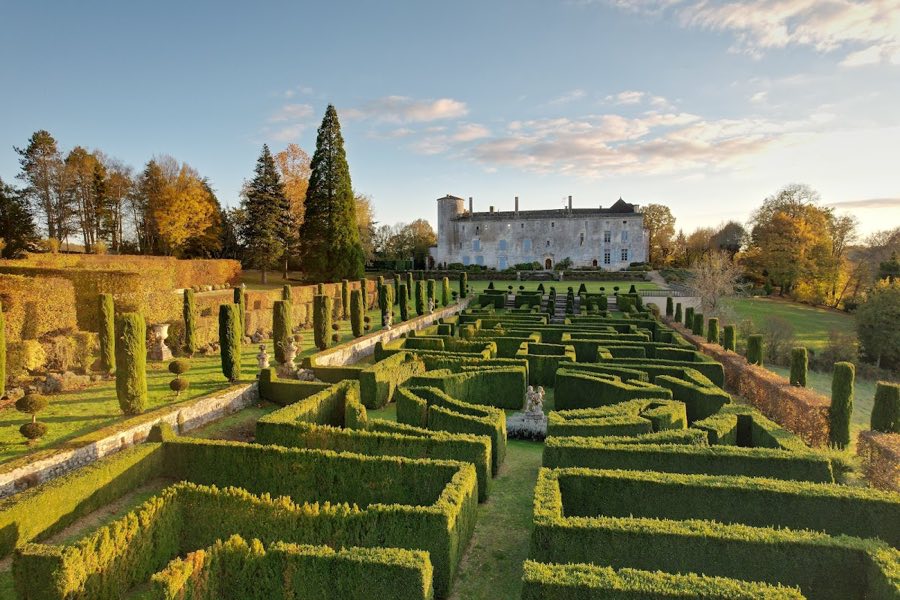
Surrounding the château is a 19th-century park, originally enclosed by dry stone walls with multiple entrances, most of which have been removed. Remnants of 18th-century gardens survive, including boxwood hedges, alleys, pools on terraces, and a rockery, preserving elements of the site’s landscaped heritage.
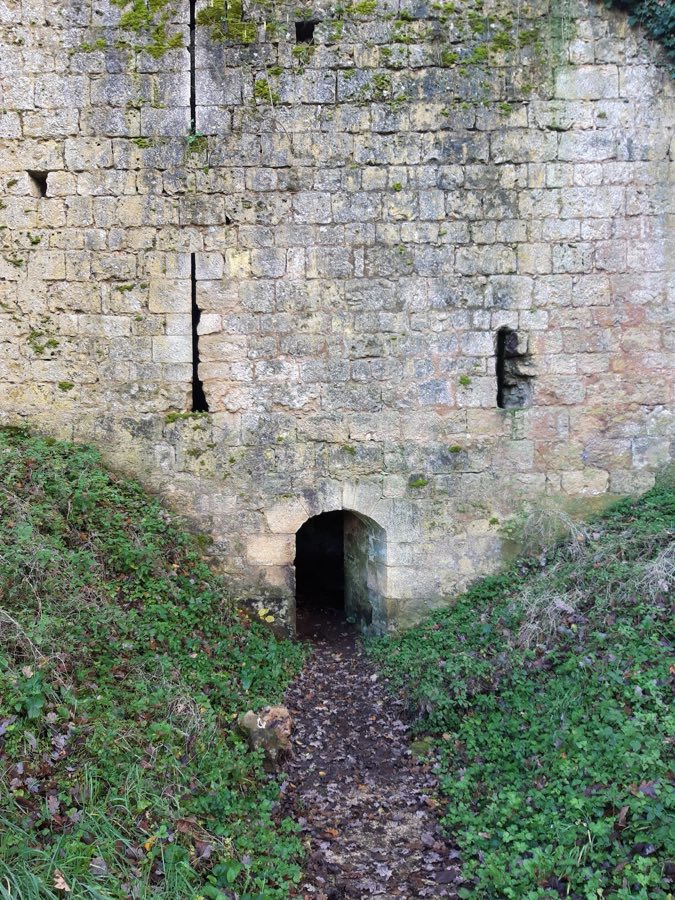
Archaeological excavations after 1958 revealed important medieval features. These include the mechanism room for the castle’s drawbridge and a 12th-century stairway leading down to the lower 11th-century chapel, which was found in excellent condition. These discoveries provide insight into the castle’s original defensive and religious structures.
The château once housed a renowned collection of seven “Hunt of the Unicorn” tapestries, dating from the late 15th or early 16th century. Rediscovered in the 1850s after being used by local peasants for agricultural purposes, the tapestries were restored and displayed at Verteuil until their sale in 1923. They are now exhibited at The Cloisters museum in New York.
No. 19215
No. 55295

No. 29355
No. 17572
Comments
Comments for Château de Verteuil will require a verified account before posting.
We'll send a verification link before your first comment is published.