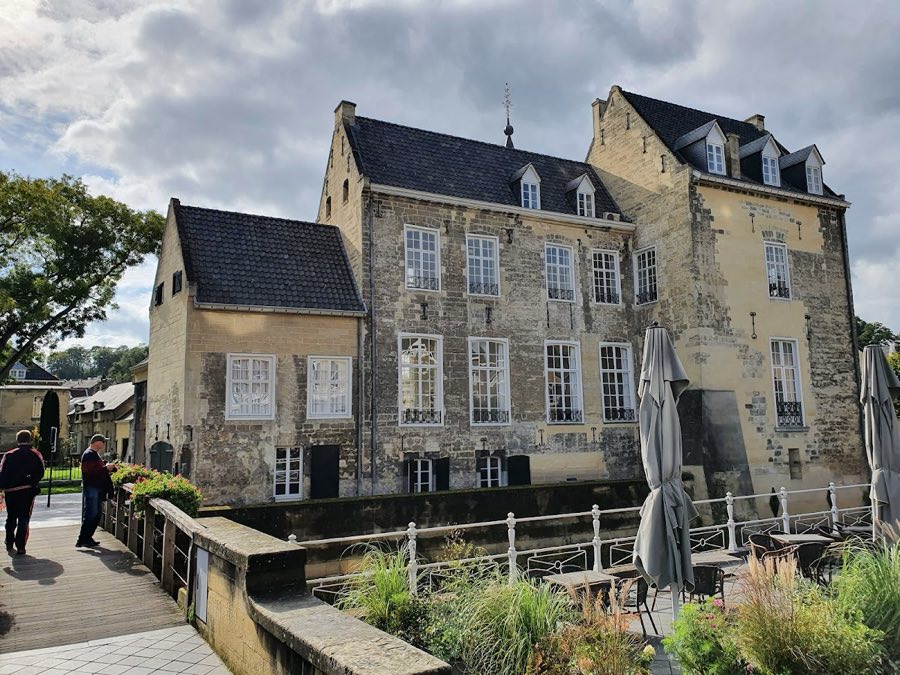
No. 55038
Den Halder Castle
Netherlands
CastleRestored17th century
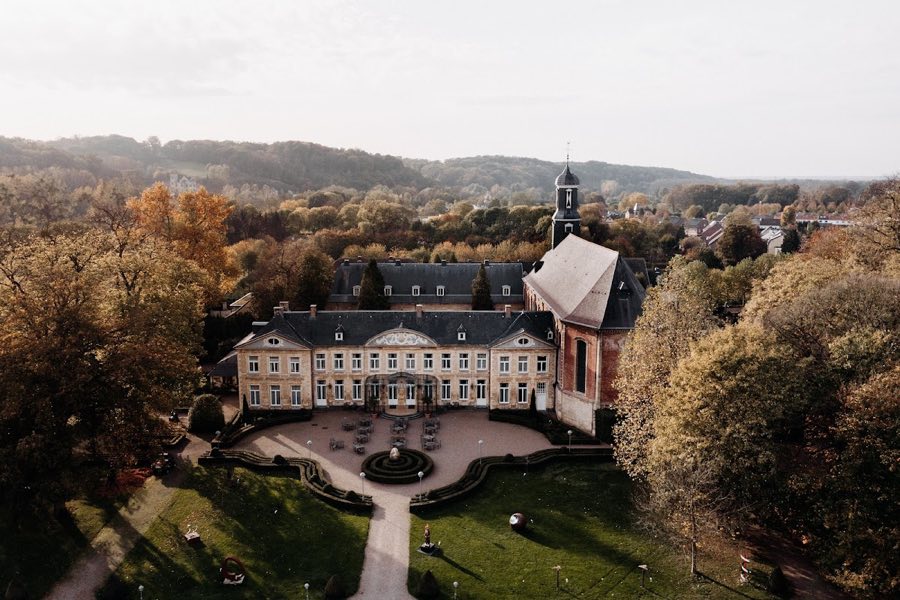
No. 50906
Château · Netherlands
No. 50906 · 50.870 N, 5.799 E
For rent
Château St. Gerlach is marked for bookable castle accommodation. Nightly pricing, sleeps count, stay rules, and amenities are displayed only when public operator data is available.
Rental type: Hotel / bookable stay, Short-stay rental
Short-term availability: Bookable accommodation signal
For events
Château St. Gerlach is marked as a château or castle venue lead. Capacity, indoor/outdoor spaces, catering rules, and accommodation options are published only after public verification.
Event types: Private events, Cultural gatherings, Filming and photography
Accommodation: Accommodation signal present
Quick summary
Château St. Gerlach is a château in Netherlands with origins associated with the 12th century.
See all castles in NetherlandsChâteau St. Gerlach in Valkenburg, Netherlands began in the mid-twelfth century as a Norbertine monastic complex built by the medieval Christian community around the grave of the hermit Gerlachus, and it developed as an important pilgrimage and religious site. The grave of Gerlachus attracted visitors after his death in 1165, and following his canonization a monastery and church were established at that grave, with a decorated tomb installed to honor him. The site later acquired status as a place of devotion and display, drawing attention from regional elites and pilgrims alike.
In 1345 the male monastery was reorganized as a convent for noblewomen, and many aristocratic families placed daughters there when marriage was not pursued. The tomb continued to attract high-profile visitors, and a recorded pilgrimage included a visit by Charles the Bold. In the late sixteenth century the complex was caught up in the violence of the Eighty Years’ War, when mercenary forces under Louis of Nassau attacked and destroyed the monastery during a raid in the Landen van Overmaas in 1574.
Political control of the estate shifted with wider diplomatic settlements. The Partition Treaty of 1661, which allocated territories in the region, placed the site under Spanish Habsburg sovereignty. An enlargement campaign in the eighteenth century produced new buildings around the complex, including the lease farm that still survives. In 1786 the estate returned to Dutch state ownership through an exchange, and the remaining convent residents moved to the empty Carthusian house known as Bethlehem in Roermond.
The French invasion of 1795 brought a decisive change in ownership, since French authorities confiscated monastic properties across the occupied Netherlands. A local notary purchased the complex and converted the former monastery into a country house that came to be called a château. The former monastery church was transferred to the nearby parish of Houthem and continued in use as the parish church. During the nineteenth and twentieth centuries the house passed through several private hands, most recently members of the Corneli and De Selys de Fanson families; Robert De Selys de Fanson lived on the property until 1979 and then left it to the local church council, after which some buildings fell into serious disrepair.
In 1994 a Limburg hotelier acquired the complex and after extensive rebuilding the site reopened on 15 September 1997 as a hotel, restaurant, and conference venue. In February 2002 twelve European bank presidents planted plane trees that now form the Europalaan, and a sculptural Euromonument by a Benedictine brother was unveiled on the grounds in 2003. Noted visitors to the site in the twenty-first century have included U.S. President George W. Bush in 2005 and the rock group The Rolling Stones in 2014. A substantial hotel extension was completed in 2016 within the seventeenth-century Broers farm, and a contemporary conference pavilion was added on the farm’s grounds. In July 2021 floodwaters from the nearby Geul river damaged technical installations and forced the hotel to close for several months. The building group, including the church and gardens, is composed of multiple nationally protected monuments and forms part of the larger Buitengoed Geul & Maas estate.
The site is arranged around a rectangular main house with ancillary buildings clustered nearby, giving a sequence of domestic and ecclesiastical structures set in a gardened landscape. The group includes a former coach house and a castle farm, and it sits in the valley of the Geul river beside Ingendael, reached by Joseph Corneli Allee. Surviving buildings display a range of phases from the medieval foundation through seventeenth- and eighteenth-century additions and late-twentieth-century restorations.
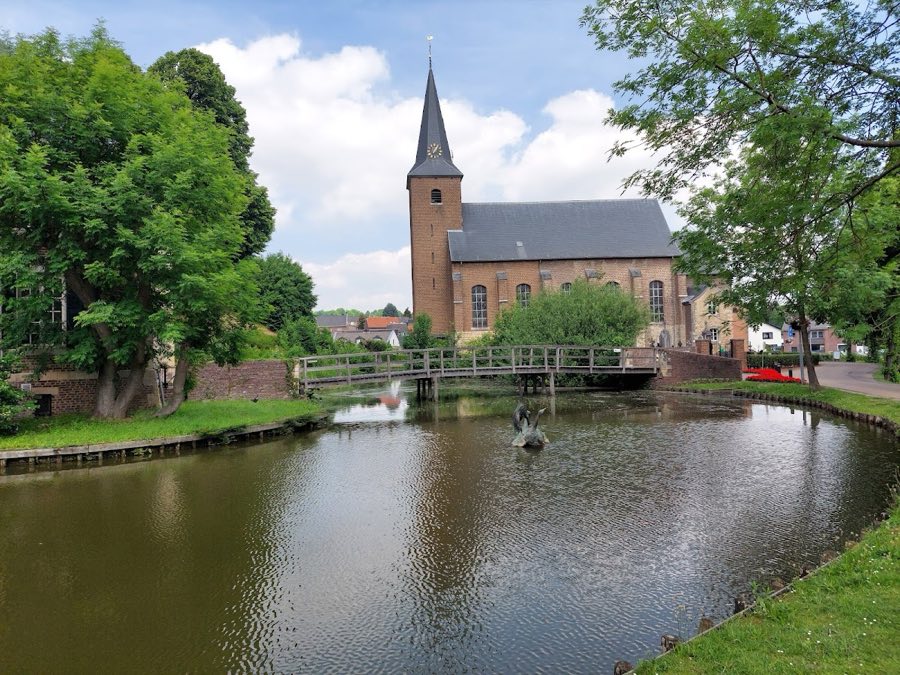
The monastery church, now known as Saint Gerlachus Church, dates to the origin of the site in the twelfth century and contains the decorated mausoleum prepared for Gerlachus. The church continued in religious use after the monastic community ended, serving the local parish following the late-eighteenth-century secular changes. The mausoleum remains a focal feature within the church interior and has been preserved in situ.
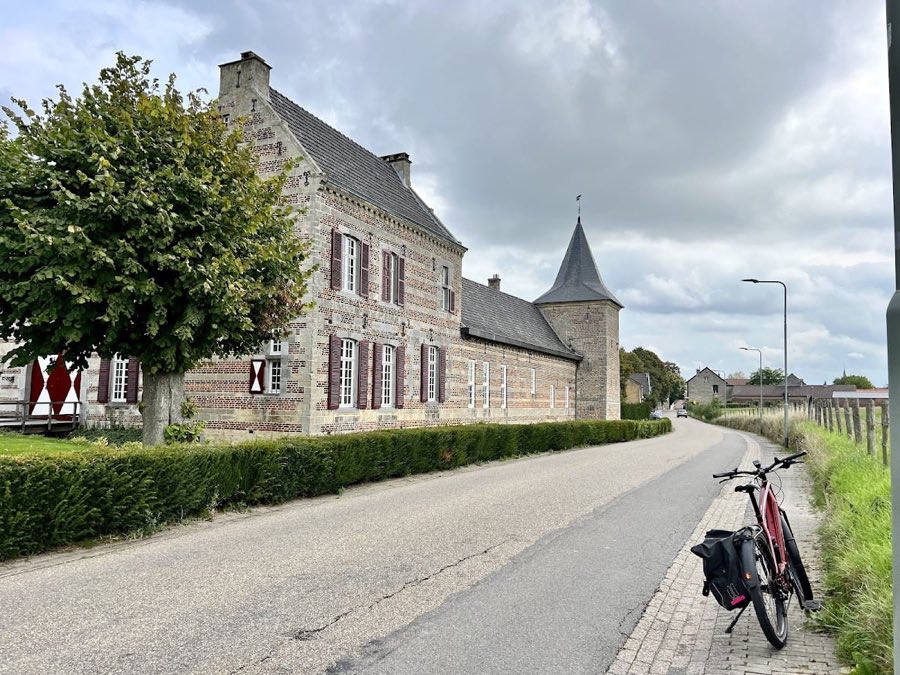
An eighteenth-century building campaign produced the lease farm, known as the pachthof, which still stands and reflects that phase of enlargement. A separate seventeenth-century farm, historically known as Broers castle farm, was incorporated into the property and later became the site for a major hotel extension. On the farm grounds a new conference pavilion was added in 2016 to serve modern functions while standing alongside the older agricultural buildings.
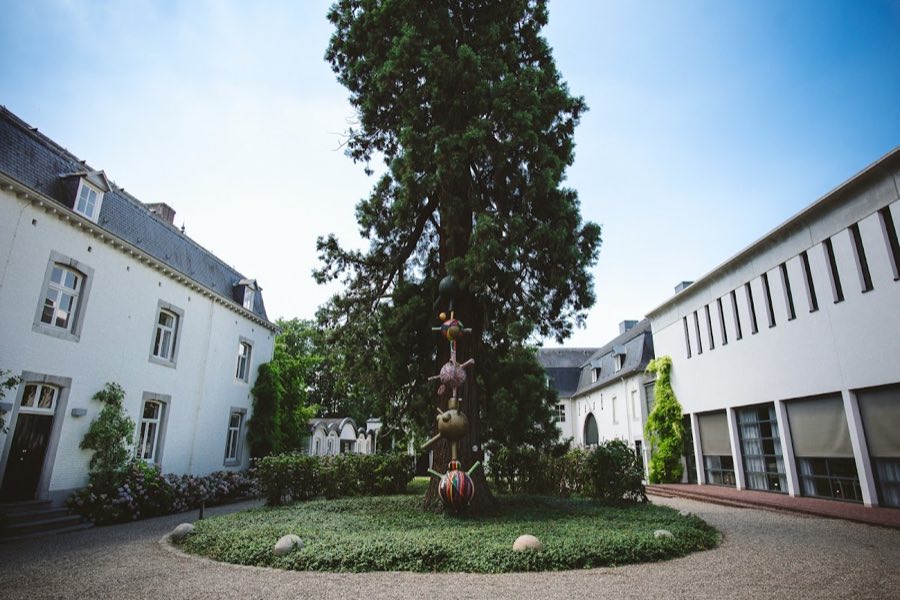
The grounds include formal gardens and commemorative elements added in the early twenty-first century, notably the row of plane trees forming the Europalaan and the Euromonument by a Benedictine sculptor. Several structures and the surrounding landscape are protected as national monuments and belong to the wider Buitengoed Geul & Maas estate. Conservation work carried out in the 1990s returned many buildings to use after a period of decay, and a historic interior trace remains in a large mirror above a mantelpiece that still bears a hole made by an American soldier’s pistol shot during the Second World War. The July 2021 flood affected mechanical and technical systems across the complex, prompting temporary closure while repairs were carried out.
No. 55038
No. 73733
No. 23523
No. 58729
Comments
Comments for Château St. Gerlach will require a verified account before posting.
We'll send a verification link before your first comment is published.