No. 51884
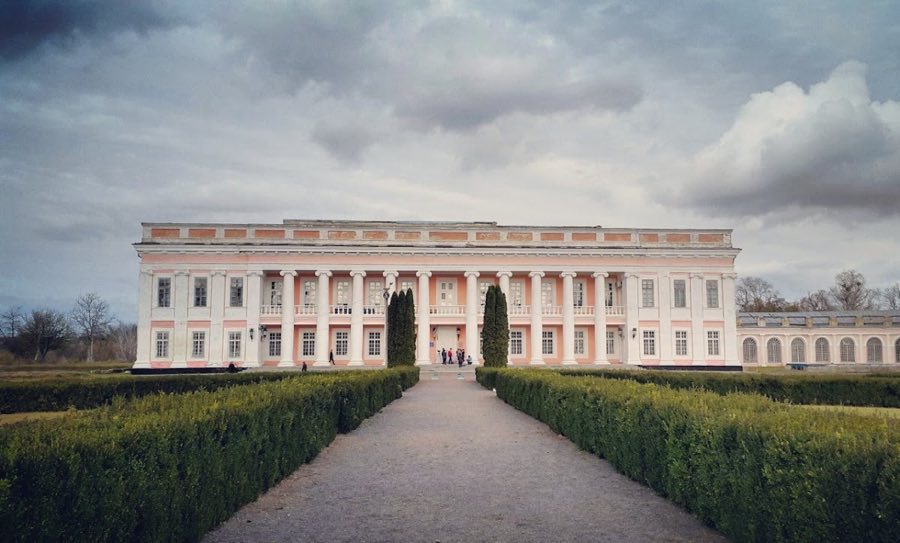
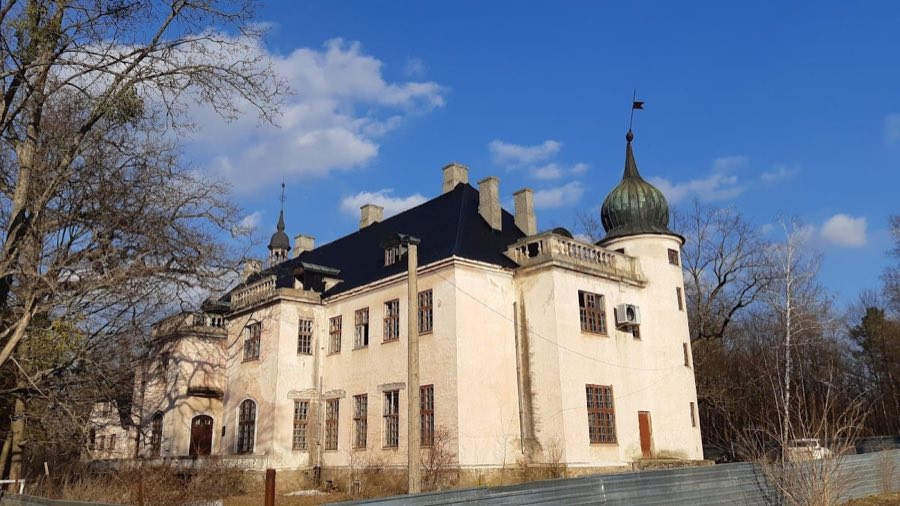
Potocki Palace, Tulchyn
Tulchyn, Ukraine
PalaceRuinFor events18th century
No. 22311
Manor house · Ukraine
No. 22311 · 48.219 N, 29.012 E
Quick summary
Chornomyn Palace is a manor house in Ukraine with origins associated with the 19th century.
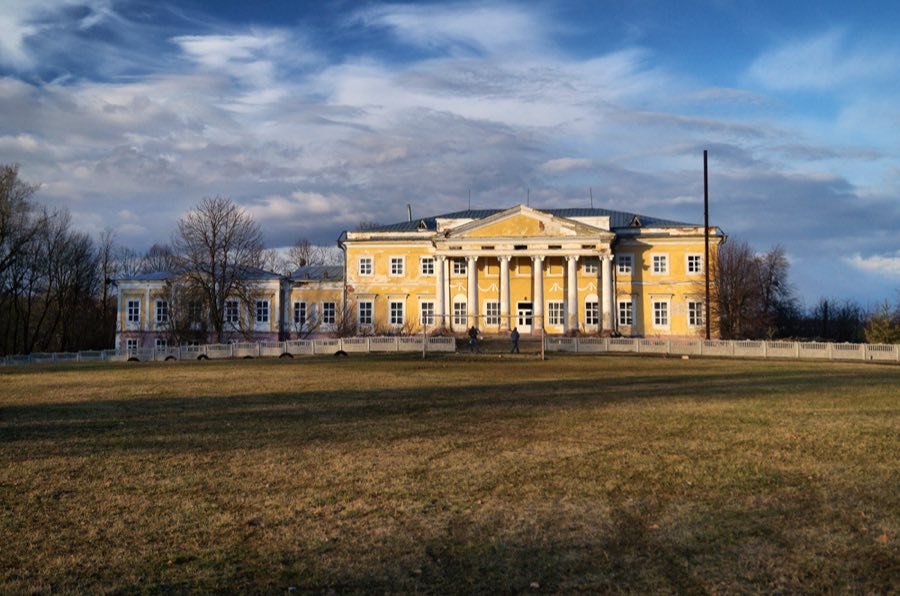
See all castles in UkraineChornomyn palace in Chornomyn, Ukraine, is an early nineteenth-century country residence built for the Czarnomsky counts. Erected between 1810 and 1820 in a late-classical manner, the house was a prominent landed manor of its time and reflects the tastes and social position of its owners. Construction was carried out under the direction of Francesco Boffo, the Odesa architect who also worked on the Vorontsov Palace in Odesa.
The main phase of construction, completed around 1820, produced the two-storey brick main block that formed the core of the estate. Late in the nineteenth century, in the 1890s, an elongated wing was added that changed the visual balance of the complex and supplied much of the interior plasterwork that survives today. Interior fittings and decorative schemes were substantially renewed at that time.
During the early twentieth century the estate remained a site of interest; in 1916 the Polish writer Jarosław Iwaszkiewicz visited and recorded a large carriage house filled with numerous carriages. The collection of carriages did not survive to the present. At various times the palace displayed memorabilia associated with Piotr Szembek.
Throughout the twentieth century the principal building was adapted to institutional functions. The main house was converted for use as a school, a program of change that reorganized the original room layout to meet educational needs. The service wing, or flügel, came to house a local hospital. The palace is included in the national register of protected cultural monuments, and it has acquired several popular local names, among them “the Palace from the twenty-dollar banknote,” “Crown of Broken Love,” and the “White House.” The building is heavily devastated.
The complex sits as a rectangular, two-storey brick house executed in late classical style. The layout centers on a sequence of rooms aligned along a main axis, with a large central hall serving as the building’s focal point. The north-facing front includes a projecting semicircular section capped by a high plinth and an Ionic colonnade of eight columns, while the garden-facing frontage is dominated by a six-column Ionic portico.
The central hall originally opened into a succession of salons and reception rooms. Above the main reception space a dome once rose, painted with a scene that included four horses harnessed together and three dancing nymphs in classical dress. The hall contained niches for sculpture and an oak staircase leading to the second floor. A library was fitted with built-in cupboards and was furnished with paintings, bronze clocks and lamps, antique carpets, two large Chinese vases and several large Japanese vases.
Much of the surviving ornamental plasterwork dates to the late nineteenth-century rebuilding; the older decorative layers are only partially visible. Interior movement was organized through a large entrance hall that led directly into the aligned rooms, with richly modelled ceiling plaster and decorative overdoor panels framing many of the principal spaces. Conversion to school use altered the original arrangement of rooms.
The 1890s addition takes the form of an elongated rectangular block in neo-Renaissance manner, linked to the older house by a short passage and planned around a corridor. Both the original block and the later wing rise two storeys. A substantial carriage house was recorded historically but no longer survives. The principal building remains heavily devastated, while the main block functions as the village school and the former service wing serves as the local hospital. The site is entered in the State Register of National Cultural Heritage.
No. 51884
No. 85822
No. 24344
No. 50586
Comments
Comments for Chornomyn Palace will require a verified account before posting.
We'll send a verification link before your first comment is published.