No. 51884
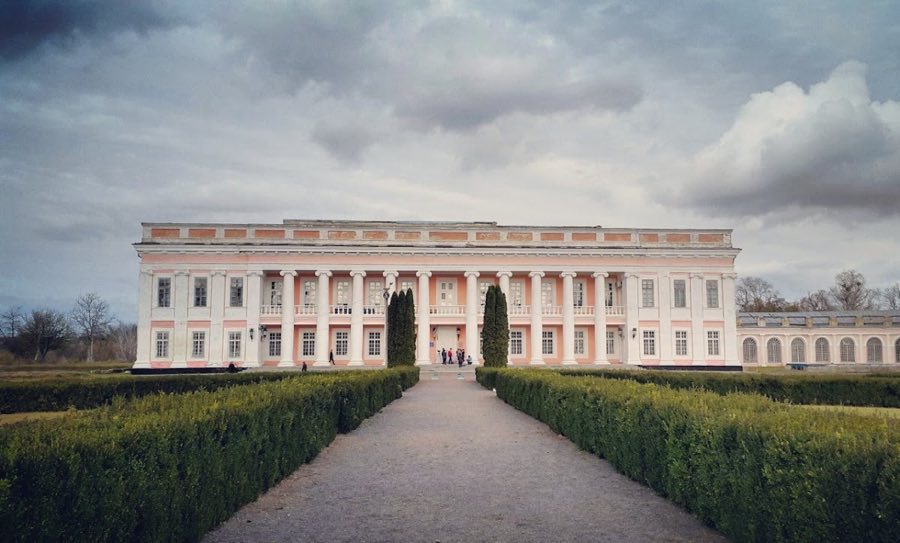
Potocki Palace, Tulchyn
Tulchyn, Ukraine
PalaceRuinFor events18th century
No. 85822
Manor house · Ukraine
No. 85822 · 49.112 N, 28.680 E
Quick summary
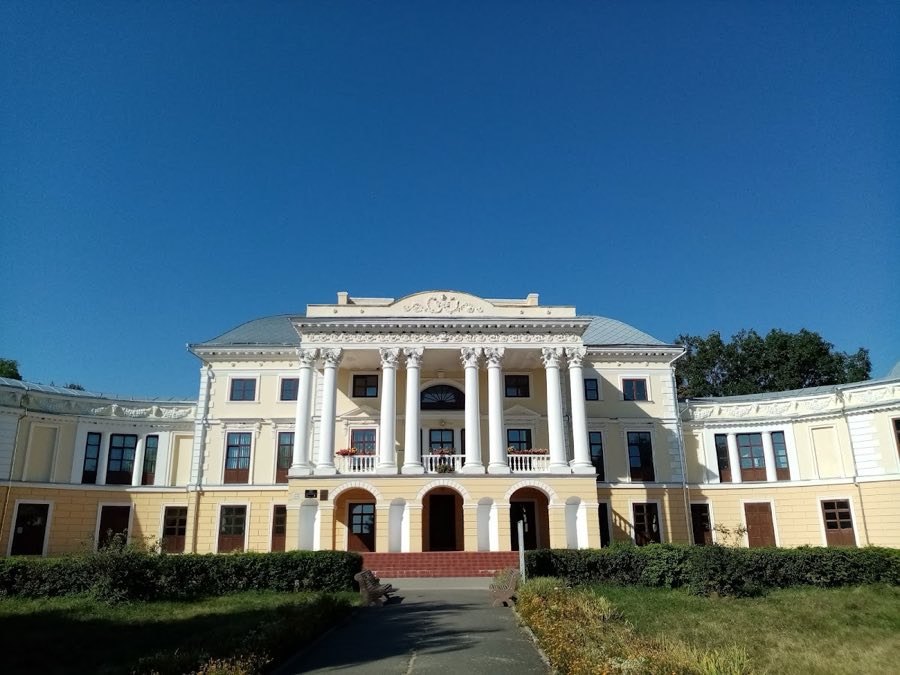
Palace of Grocholski, Voronovytsia is a manor house in Voronovytsia, Ukraine with origins associated with the 18th century.
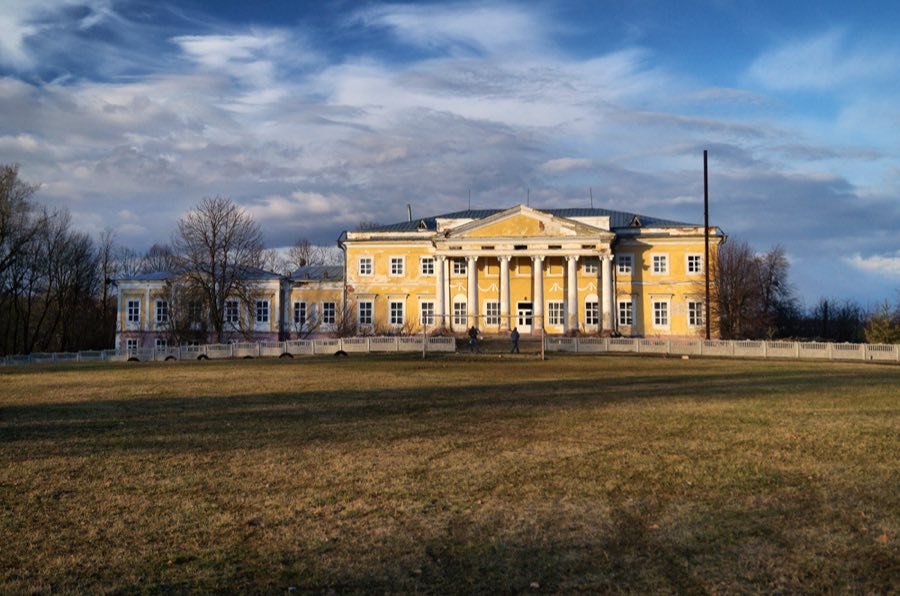
See all castles in UkraineThe Palace of Grokholsky in Voronovytsia, Voronovytsia, Ukraine is an 18th‑century manor built for the Grocholski family in the early Classicist style. Erected during the late 1700s, the house stands as a notable example of Ukraine’s manor architecture of the Classicism period and became important for its architecture and the private art collection it held.
Construction began in the later decades of the 18th century, with records placing work in the 1770s through the 1790s, and the estate was financed by Franciszek Ksawery Grocholski (1730–1792), who served as a royal chamberlain. A later owner, J. Grocholski, brought into the palace the painting collection of his brother Antoni, a group of 519 pictures by Flemish, Dutch, and French painters and one canvas attributed either to Titian or to a member of his workshop. The house sat at the center of a designed estate and functioned as a family seat and display space for that collection.
The 19th century brought political upheaval that affected ownership. Adolf Grocholski took part in the November Uprising of 1831, the Polish revolt against Imperial Russian rule; he was exiled to Siberia and later returned, managing to keep the property from seizure. After Adolf’s death the estate passed to his brother Ludgart, who joined the January Uprising of 1863, another Polish insurrection against Russian authority; following that uprising the Russian government confiscated the property. Under an 1865 Russian law that limited purchase of Ukrainian estates to subjects of the empire, the palace was sold to Mykola Mozhaisky, brother of Oleksandr Mozhaisky.
After the 1917 Revolution the central block and the building’s right wing were rebuilt, and many interior halls were later finished with mosaic or with silk and satin wall coverings at different times. During the Soviet era parts of the complex served as a school and other rooms housed the Museum of the History of Aviation and Cosmonautics of Ukraine. More recently a reconstruction effort has been financed through a European Union grant awarded to the Vinnytsia district council to support regional development and restoration of the site.
The palace follows a horseshoe, or U‑shaped, plan with a dominant central block and flanking galleries that end in pavilions, reflecting early Classicist taste with visible borrowings from Andrea Palladio. A columned porch (portico) topped by a triangular gable (pediment) announces the main elevation, and the central mass rises three storeys on the highest rise of the site, forming the visual focus of the ensemble.
Exterior and interior ornamentation are Classical in spirit. Beneath the roofline a relief strip carries garlands and ox‑skull motifs (bucrania), and the interiors once contained a total of forty‑three rooms, among them a round hall and an oval hall that have survived as historically notable spaces. After 1917 the central block and the right wing were rebuilt, and later decorative treatments in some halls included mosaics as well as silk and satin wall coverings.
The palace was set within a carefully arranged landscape. A lawn stretches before the entrance, with a semicircular main lime, or linden, avenue framing the approach, and a second avenue runs from the nearby lake. Grounds to the rear and flanks hold a park, which survives in part, while adjacent kitchen gardens and an orchard served practical needs of the estate.
Supporting structures completed the complex. A Catholic church was erected at the expense of Franciszek Ksawery Grocholski to serve the household and local community, agricultural outbuildings clustered near the service areas, and a group of Cossack stables was constructed with room for one hundred horses. Over the 20th century some parts of the fabric were adapted for institutional use, including a school and the aviation and cosmonautics museum, and the site is now subject to a planned reconstruction financed through an EU regional development grant.
No. 51884
No. 24344
No. 72336
No. 22311
Comments
Comments for Palace of Grocholski, Voronovytsia will require a verified account before posting.
We'll send a verification link before your first comment is published.