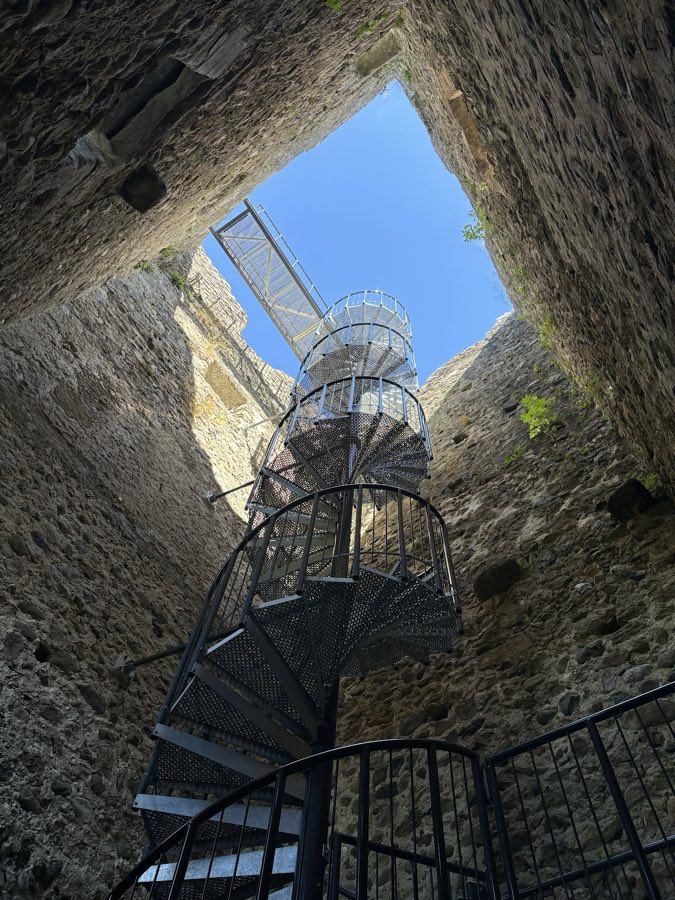
No. 79802
Old Ramschwag Castle, Häggenschwil
Häggenschwil, Switzerland
CastleRuin6th century
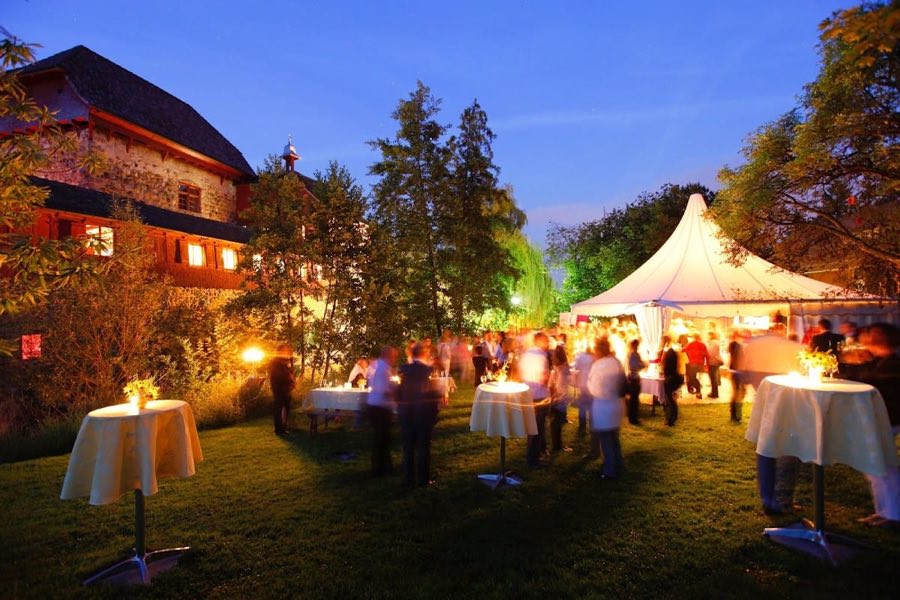
No. 96895
No. 96895 · 47.529 N, 9.305 E
Quick summary
Hagenwil Castle is a castle in Switzerland with origins associated with the 13th century.
See all castles in SwitzerlandHagenwil Castle is situated in the village of Hagenwil near Amriswil, Switzerland. It was built by the local medieval nobility in the early 13th century and initially belonged to the von Hagenwil family, an important regional dynasty of that time.
The earliest known record of the castle dates to 1264 when Rudolf von Hagenwil transferred ownership of the fortress to the Abbey of St. Gall in thanks for the abbot’s help during a family dispute. Although the abbey became the legal owner, Rudolf and his heirs maintained the right to live in the castle. This arrangement ended when Rudolf’s son, Ulrich, died childless, allowing the abbey to assume full control. Over the following centuries, the abbey administered the estate indirectly by granting the castle as a fief to various noble families who acted as its managers and protectors.
In 1341, Hermann von Breitenlandenberg received the castle as a fief. From 1407, the Paygrer family held the estate, followed by the Bernhausen family from 1504 to around 1683 or 1684. The castle underwent military conflict during the Appenzell Wars in the early 15th century; evidence of fire damage and dating of wooden beams suggests damage occurred between 1414 and 1425. Later, during the Thirty Years War in 1633, Swedish troops attacked and briefly occupied the castle, though it was only slightly harmed.
By 1683 or 1684, the Abbey of St. Gall reacquired Hagenwil Castle and repurposed it as a summer residence for successive abbots. The abbots appointed overseers to manage the property, which was enhanced by the addition of a large residential wing with a great hall in 1786 or 1787. During this period, the village of Hagenwil itself experienced notable religious shifts: it embraced Protestantism in 1529 but returned to the Catholic faith in 1536, reflecting broader Reformation tensions.
The castle’s ownership changed dramatically after the French invasion of Switzerland in 1798, which led to the dissolution of the abbey’s feudal estates. In 1805, the castle was sold to Benedikt Angehrn, whose descendants remain the property’s owners. The site has undergone periodic restorations, including a major conservation effort in 1937 and 1938 and archaeological excavations in 1985. In the early 21st century, a modern kitchen building was constructed to support adapted uses of the castle complex.
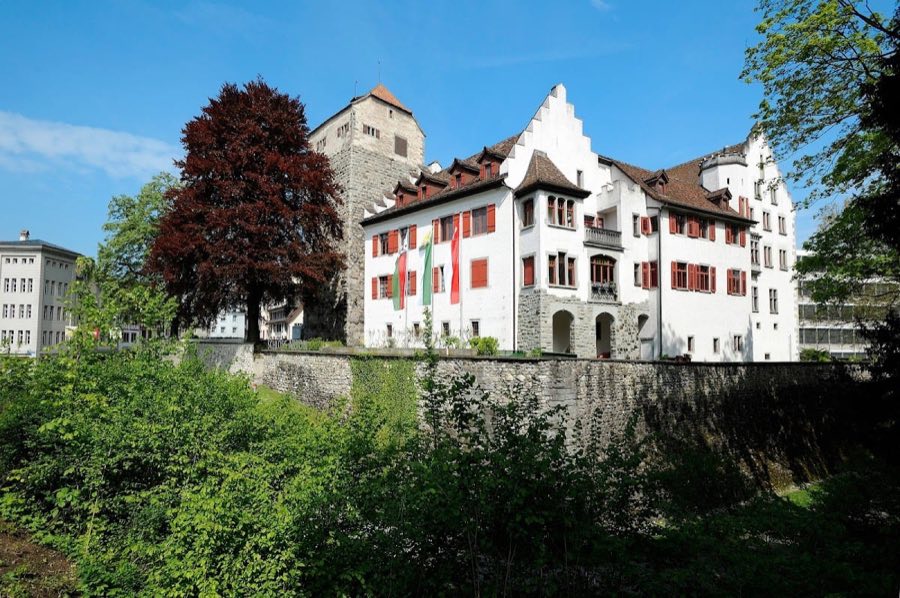
Hagenwil Castle is one of the best-preserved examples of a medieval water castle in eastern Switzerland, distinguished by its roughly square layout surrounded by a moat filled with water. This moat, about 3.2 meters deep, dates from the 18th century when the castle was adapted to serve more as a residence than a military fortification. The water feature provided both defense and aesthetic value, enhancing the castle’s presence.
At the heart of the complex stands the main tower, built in the early 1200s. This robust keep measures roughly 13.2 by 10 meters and has thick, rounded stone walls up to 1.7 meters wide, designed to withstand siege. Its original entrance was elevated and accessed from the northern side of the eastern wall, a common defensive feature to make entry more difficult. Around 1551, this high entrance was blocked off, replaced by doors at ground level, reflecting changes in use and security needs.
Surrounding the tower is a ring wall likely constructed in the late 13th or early 14th century. Much of this defensive wall remains, especially on the southern side where the main gate still survives. In the 15th century, a palas, or grand residential building, was added along the northern wall, incorporating the main tower into a more comfortable living area. The northwest section of the ring wall was deliberately removed to make space for a two-story residence built with half-timber framing, a traditional building method involving a wooden frame filled with plaster or brick.
The castle’s gatehouse first appeared near the southeast corner in 1485 or 1486 but was later replaced. The existing gatehouse dates from 1741, bearing that date above its entrance, and serves as the formal approach to the complex. On the east side, expansions in 1786 and 1787 included an entrance hall and a chapel, reflecting its role as an abbot’s summer retreat rather than a strict fortification.
Within the castle’s courtyard, a restaurant was established in 1830, showing a shift toward more peaceful and social uses of the site. The old kitchen was replaced in 2003 or 2004 by a modern three-story building to support contemporary needs while preserving the historic fabric.
Overall, Hagenwil Castle retains its medieval character while exhibiting layers of adaptation and restoration that span more than seven centuries, preserving both its defensive origins and later residential styles.
No. 79802
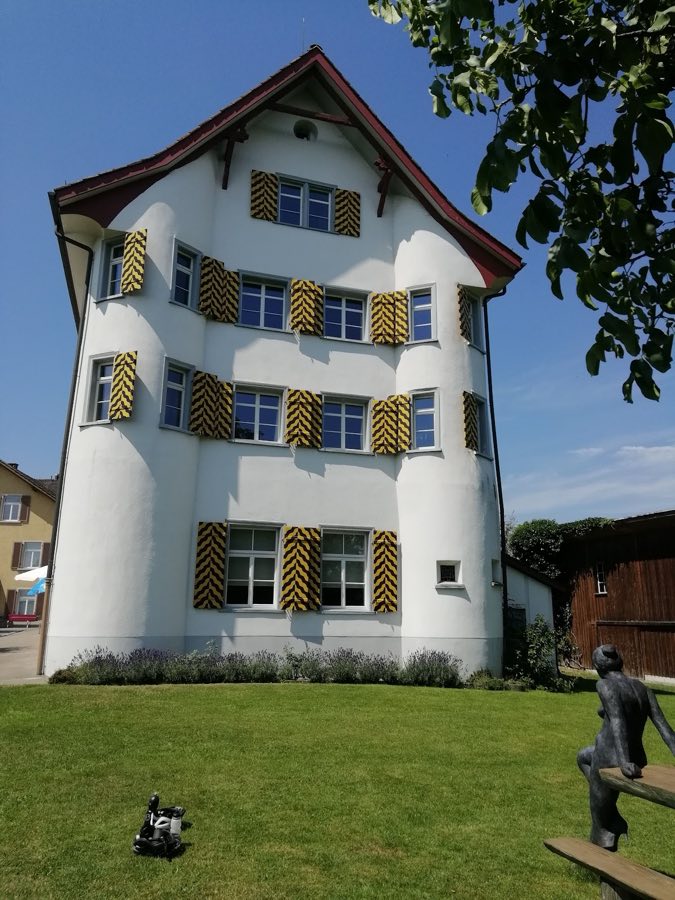
No. 40815
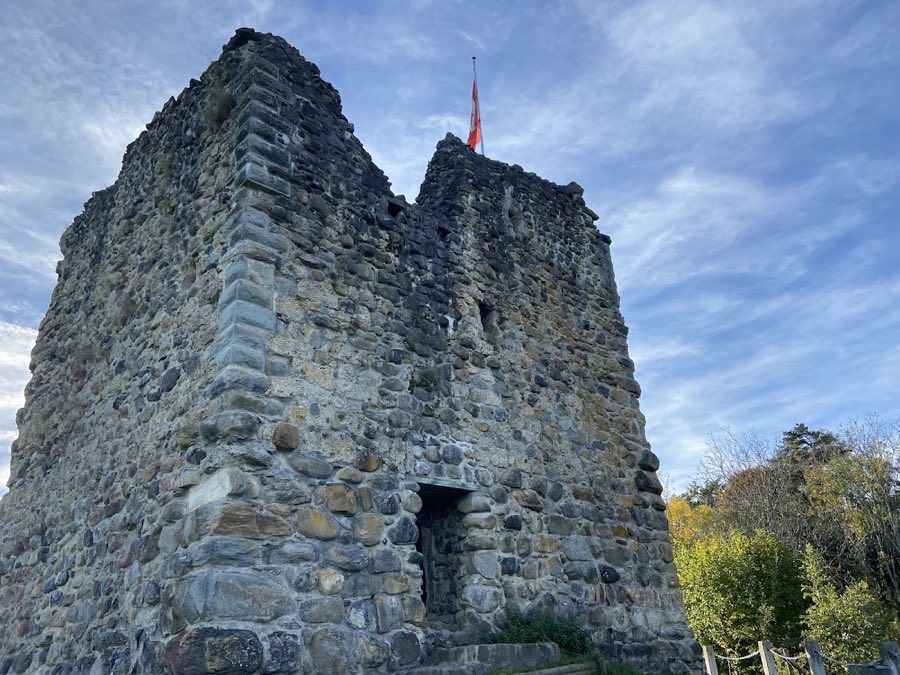
No. 99445
No. 90761
Comments
Comments for Hagenwil Castle will require a verified account before posting.
We'll send a verification link before your first comment is published.