No. 56088
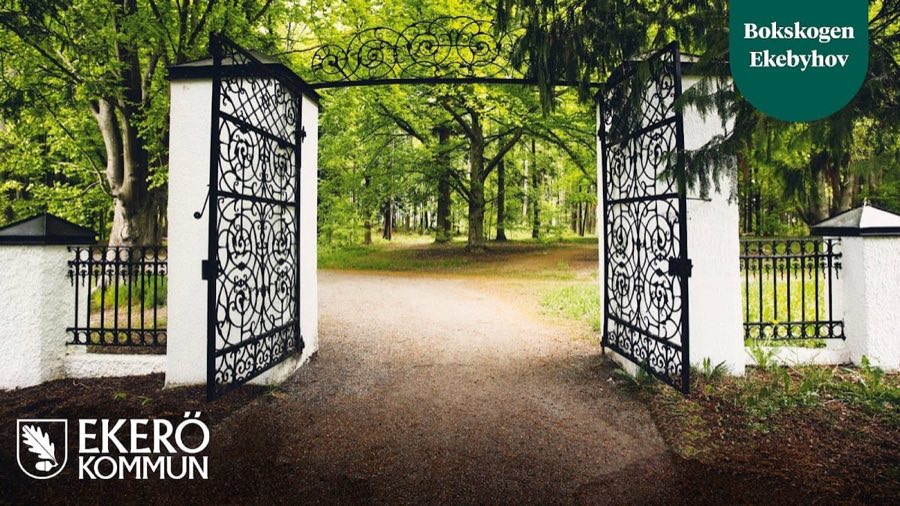
Ekebyhov Castle
Sweden
Manor houseIntact17th century
No. 53319
Palace · Sweden
No. 53319 · 59.322 N, 17.886 E
For events
Drottningholm Palace is marked as a château or castle venue lead. Capacity, indoor/outdoor spaces, catering rules, and accommodation options are published only after public verification.
Event types: Weddings, Private events, Cultural gatherings, Filming and photography
Ceremony spaces: Ceremony setting to verify
Quick summary
Drottningholm Palace is a palace in Sweden with origins associated with the 16th century.
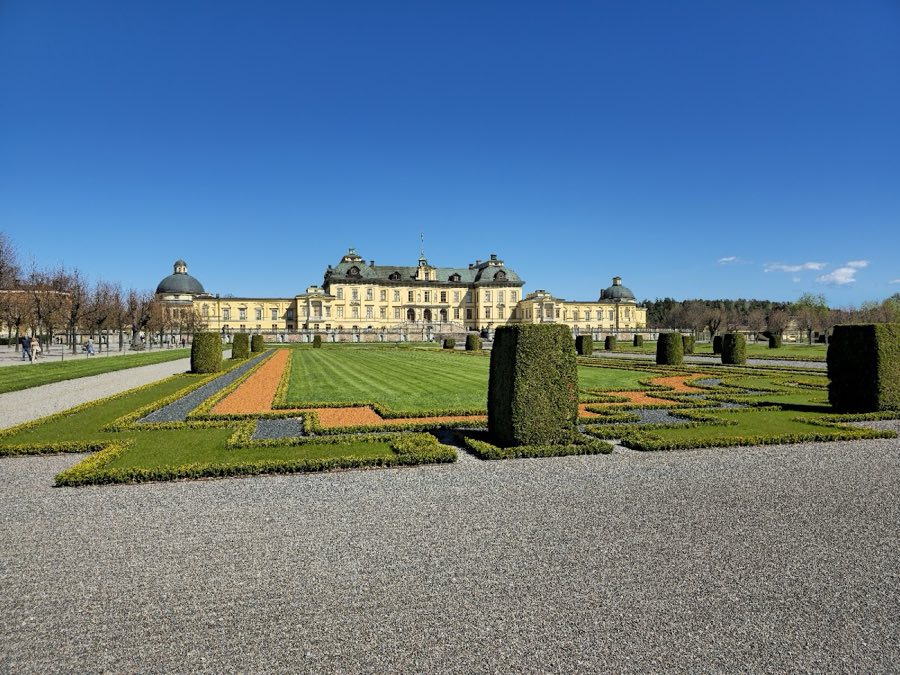
See all castles in SwedenDrottningholm Palace in Drottningholm, Sweden, is a royal residence created by the Swedish monarchy beginning in the late 16th century, originally in a Renaissance style and later rebuilt in a grand Baroque idiom. Its long development links it to successive Swedish rulers and to major shifts in court life and landscape fashion, and the ensemble later became recognised for its historical and cultural value by international heritage authorities.
The first significant house on the island was a Renaissance palace built in 1580 for King John III of Sweden, replacing an earlier mansion known as Torvesund. In 1661 Queen Dowager Hedwig Eleonora bought the property. That December the existing building burned, and a rebuilding programme began in 1662 that used surviving 16th-century vaults and walls as a base. Work on the main block continued through the later 17th century and the principal living quarters were completed after 1681. Hedwig Eleonora kept the palace as a summer residence and presided over the regency for the young king, so the site became a recurring centre for court life into the next century.
In the mid-18th century the palace changed hands when it was presented as a wedding gift in 1744 to Crown Princess Louisa Ulrika of Prussia. Under her direction the interiors were remodelled in a French Rococo manner and the palace theatre was rebuilt on a grand scale after an earlier fire, with theatre work associated especially with the 1760s. Louisa Ulrika sold the property to the state in 1777, but the royal family retained rights to use it, and the palace continued to host seasonal court life. King Gustav III later staged elaborate ceremonial events there and initiated the planting of an English-style landscape park to complement the older formal gardens.
The palace figures in a dramatic episode after the Coup of 1809. The deposed King Gustav IV Adolf was held under guard at the palace in the Chinese Drawing Room for eleven days. During the reign of Charles XIV John, from 1818 to 1844, the palace was largely left empty, inventories were removed or sold, and the grounds became a place for public recreation. Repairs began again in the mid-19th century under subsequent monarchs, with documented maintenance from 1846 and further work later in the century.
A major programme in the early 20th century, between about 1907 and 1913, restored many rooms to their 18th-century appearance and modernised services. From the late 1970s a roughly twenty-year restoration effort rebuilt important parts of the palace and renewed fire protection, and exterior cleaning and reconstruction carried on into the early 2000s. Since 1981 the royal family have occupied the southern wing as their principal residence, while other areas remain under state management. In 1991 the palace, together with its theatre, the Chinese Pavilion and the gardens, received inscription on the UNESCO World Heritage List, and many of the domain’s buildings are legally protected.
The palace stands as a long, formal main block positioned between an entrance courtyard and the garden, following a Baroque model of a residence placed between court and garden. The completed principal building, including its corner towers, measures roughly one hundred sixty metres in length and about fifty metres across, and much of the standing fabric was raised on top of vaults and walls that date back to the 16th-century stone palace.
The principal rooms and fittings show successive phases of use and reworking. A grand staircase leads upward and is ornamented with marble figures representing the nine Muses together with busts of Gothic kings. State apartments and a library display 18th-century decorative styles; the palace church, finished in May 1746, contains an organ made by Cahman in 1730 and a ceremonial tapestry produced later by King Gustav V.
The estate preserves a functioning 18th-century playhouse. The palace theatre rebuilt in the 1760s survives and remains in use, retaining its period character. Close by stands the Chinese Pavilion, a small decorative building inspired by Chinese models, erected between 1763 and 1770 and kept as part of the royal pleasure grounds.
Service buildings and park structures form a compact ancillary group. Stables were expanded in the 1770s, a Gothic tower remains within the grounds, and small service houses and guard tents line what was historically called the street of Canton. The grounds also include a number of garden fabriques, ornamental constructions positioned for viewing from the main house.
The gardens display two contrasting 18th-century designs. The formal Baroque layout was established in the late 1600s under Hedwig Eleonora, with broad tree-lined avenues, parterres and numerous sculptures, including works by Adrian de Vries; some of these statues arrived from continental collections such as the Wallenstein Palace in Prague, and two marble lions came from Ujazdów Castle in Warsaw. In the late 18th century an English-style landscape garden was added to the north, featuring two ponds linked by canals, bridges, sweeping lawns, grouped tree plantings and deliberately arranged sightlines; many statues for this landscape were bought in Italy.
Conservation work over the 20th century interfaced with older engineering. The largest early modern renovation, carried out between about 1907 and 1913, installed electricity and modern heating, sewage and water systems and renewed the roof. Mid-20th-century campaigns reconstructed Baroque cascades and fountains, the cascades being reopened in 1961 using modern pumps connected to original conduits. Exterior masonry cleaning and rebuilding took place from the late 1990s and were finished in 2002. Today the palace, theatre, pavilion and gardens remain notably well preserved, with parts kept as private royal apartments and other areas managed by the state.
No. 56088
No. 44606
No. 48510

No. 24249
Comments
Comments for Drottningholm Palace will require a verified account before posting.
We'll send a verification link before your first comment is published.