No. 35132
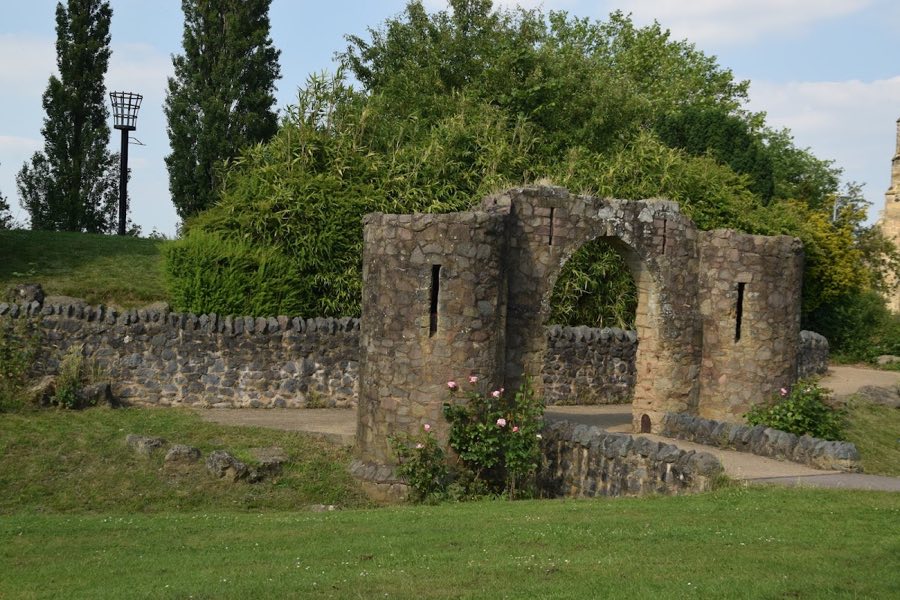
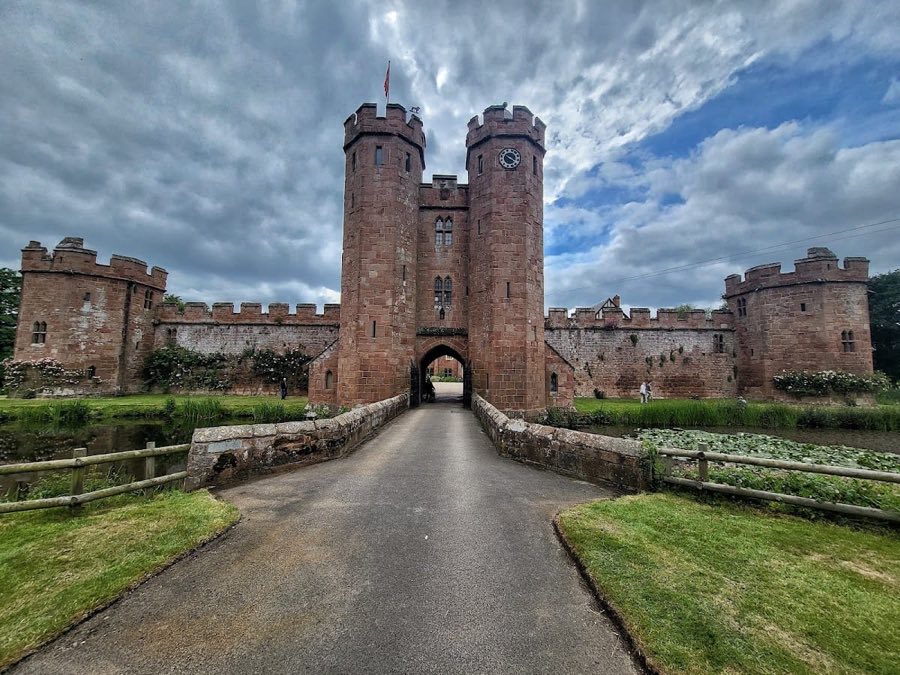
Earl Shilton Castle
United Kingdom
CastleRestored12th century
No. 36945
Castle · United Kingdom
No. 36945 · 52.632 N, 1.141 W
Quick summary
Leicester Castle is a castle in United Kingdom with origins associated with the 12th century.
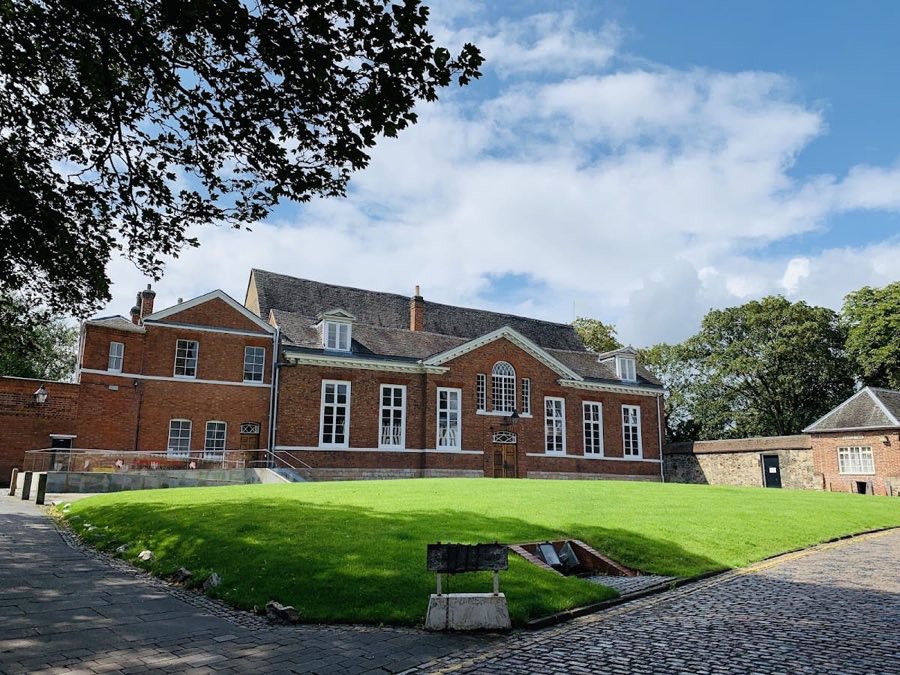
See all castles in United KingdomLeicester Castle, situated in the city of Leicester in England, was originally established by the Normans shortly after their conquest of England. The castle’s foundation dates to around 1067–1070, when Hugh de Grandmesnil, a close ally of William the Conqueror, constructed it to consolidate Norman control over the region. Positioned on elevated ground in Leicester’s southwest, the site overlooked the River Soar and provided a strategic vantage point within the settlement.
During the early 12th century, the castle transferred into the hands of the Beaumont family through marriage. Robert de Beaumont, the second Earl of Leicester, undertook significant rebuilding efforts, replacing the initial wooden defenses and buildings with stone structures. He added a stone Church of St Mary de Castro, smaller than its predecessor, and constructed a large stone Great Hall which became central to the castle’s remaining fabric.
By the 14th century, the castle’s role evolved beyond military defense. In 1331, Henry Plantagenet, the third Earl of Lancaster and Leicester, founded a hospital nearby, later known as Trinity Hospital, reflecting the site’s gradual shift towards residential and charitable uses. The castle no longer held vital strategic importance and served primarily as a noble residence. In the mid-1300s, Henry Grosmont, Duke of Lancaster, expanded the southern precinct, establishing a religious district with a collegiate church acting as a mausoleum for the ducal family. This ambitious project, which included housing a sacred relic believed to be part of the Crown of Thorns, reached completion under John of Gaunt, who died there in 1399.
When the Lancastrian ducal line merged with the English crown, Leicester Castle became a royal residence used for ceremonial purposes, notably witnessing the knighting of the future King Henry V. Over the 15th century, the castle’s primary function shifted to law and governance. Its Great Hall hosted legal courts and parliamentary gatherings, including the notable Parliament of Bats in 1426, named for the absence of weapons except clubs during the assembly.
Leicester Castle’s military significance was briefly renewed during the English Civil War in 1645, as Leicester endured a siege. Although some fortifications were involved in defending the city, the castle walls survived largely intact but faced extensive demolition during the early 19th century. The castle’s gatehouse, known as the Turret Gateway or Prince Rupert’s Gateway, suffered partial destruction during an 1832 riot related to political unrest.
Despite these changes, the Great Hall continued to function as a court venue until 1980, when judicial activities moved to a newly built complex elsewhere. The castle grounds are now recognized for their historic importance, preserving surviving structures as a scheduled monument and listed buildings reflecting centuries of English history.
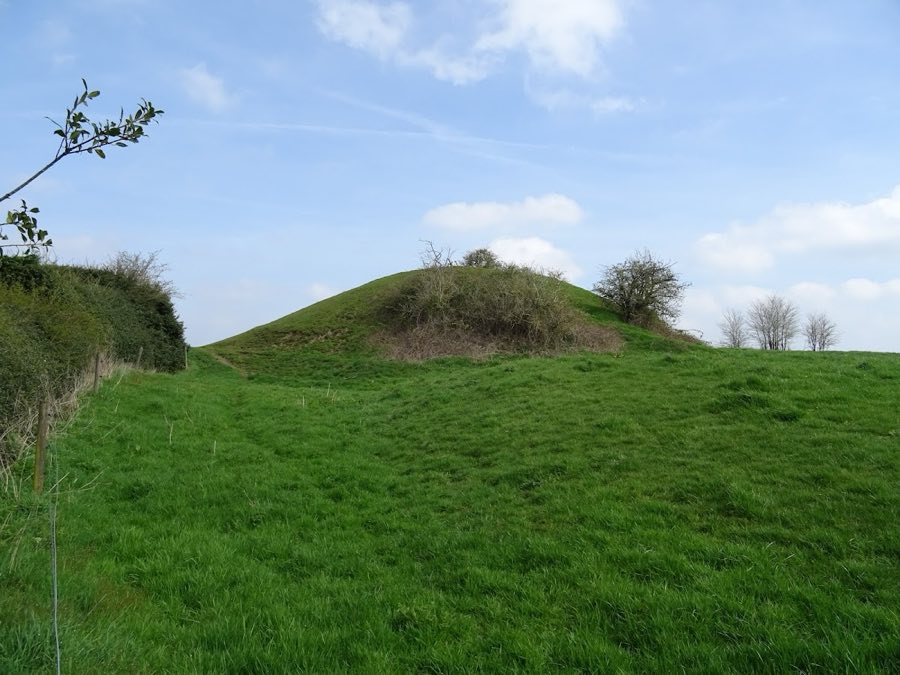
Leicester Castle occupied approximately four acres, originally laid out as a motte-and-bailey castle, a common Norman design featuring a raised earthwork mound (the motte) surrounded by an enclosed courtyard (the bailey). The castle’s early defenses included an oval-shaped earthwork and ditch, crowned by a wooden palisade and a tower atop the motte. Today, no wooden building survives, apart from the robust stone base of a large bridge that once supported the wooden citadel, measuring about nine meters in height and more than thirty meters in width.
In the 12th century, the castle’s defensive and residential structures were reconstructed in stone. The wooden curtain walls were replaced by stone walls integrated along the motte’s outer edge, enhancing the site’s fortifications. Key stone buildings from this period include the Church of St Mary de Castro, smaller than previous wooden versions, and the Great Hall. The Great Hall remains a significant survivor, its interior supported by two rows of wooden columns which divide the space into three sections and create passageways along each side. Elements of the original 12th-century masonry and timber columns are still visible within this hall.
Thick stone walls enclosed three sides of the castle precinct, featuring two substantial gate towers—one positioned to the south and the other at the northeast corner. The northeast tower survives today as the Powder Tower or Turret Gateway, a notable remnant of the castle’s entrance defenses. Access to the castle was originally through a grand triple-arched vaulted gatehouse, emphasizing the site’s importance and strength.
To the south of the castle, the 14th-century hospital and religious precinct formed an important complex linked to the castle’s expanding non-military role. The hospital, designed to care for up to one hundred patients, included a church and buildings for a community of collegiate clergy. Although the hospital chapel experienced later damage from fires and rebuilding, its remains survive, offering insight into this charitable institution’s scale and function.
The Great Hall’s appearance was altered in 1695 when it received a brick frontage in the Queen Anne style, reflecting continued use and adaptation. By the 19th century, the hall was divided internally to form two courtrooms separated by a central staircase, continuing its role as a legal venue. Defensive walls near the Turret Gateway were adapted during the English Civil War with gun loops for musket or cannon use, evidencing the castle’s brief return to military relevance. The top storey of the Turret Gateway was destroyed during political riots in 1832, leaving the structure partially ruined.
The castle complex also includes the Church of St Mary de Castro, of which the oldest parts date back to the 12th century and which continues today as an active parish church. Surrounding the castle, gardens border the nearby Grand Union Canal, adding to the historic landscape’s character.
Additional features such as the motte mound itself and “John of Gaunt’s cellar,” historically misidentified as a torture chamber, remain visible on site. Various medieval stonework and decorative elements originally part of the church and Great Hall survive internally, preserving the legacy of the castle’s centuries-long development.
No. 35132
No. 37257
No. 28348
No. 63097
Comments
Comments for Leicester Castle will require a verified account before posting.
We'll send a verification link before your first comment is published.